
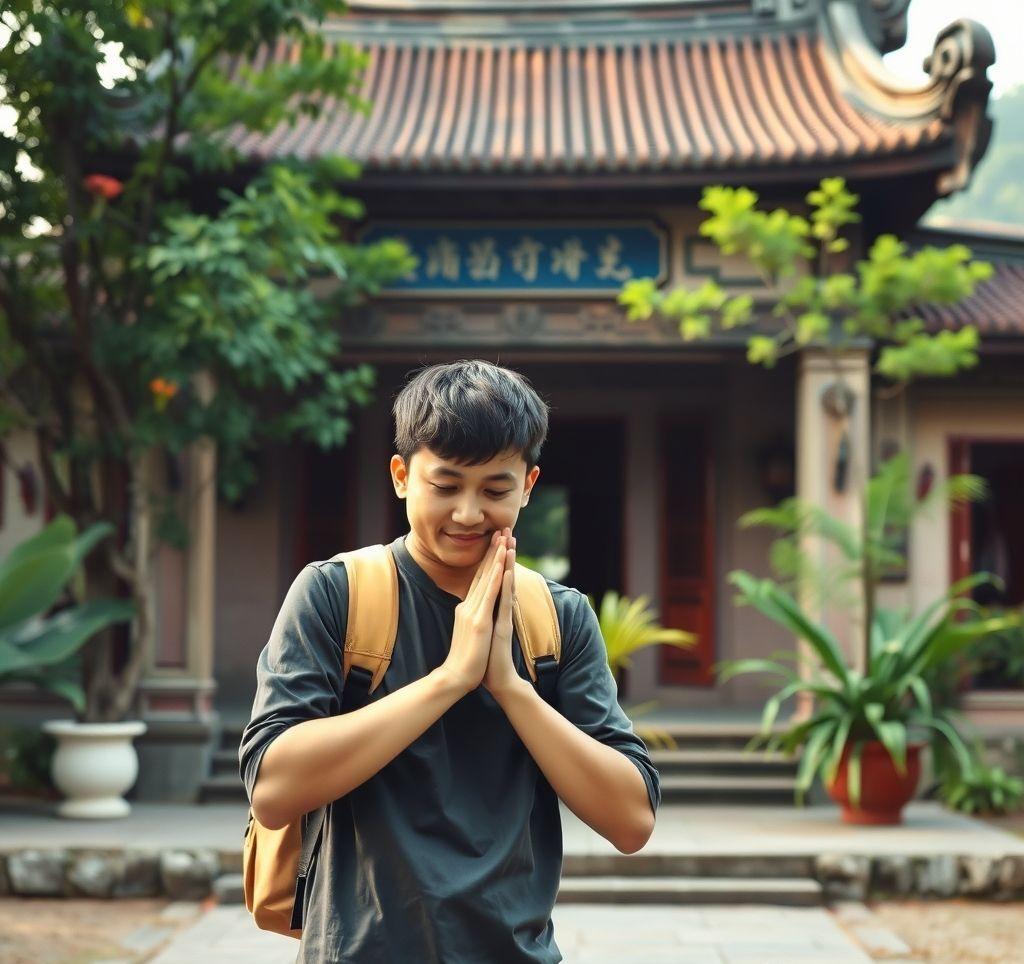
Imagine Vietnam as a giant, living storybook where old traditions and new ways of life dance together. For visitors, learning the local customs isn’t just about following rules—it’s like finding the key to unlock the heart of this amazing country. From the gentle bow of hello to the quiet respect in sacred places, every action has meaning. This guide will help you move through Vietnam’s colorful culture with confidence and care, making sure your trip is both unforgettable and full of meaning. Whether you’re in busy cities, peaceful villages, or holy spots, these tips will make your experience richer and show you truly value Vietnamese ways.
The Art of Saying Hello in Vietnam
Greetings here are more than words—they’re like a mirror showing respect and harmony. The traditional hello involves a small bow with hands together, much like neighbors in Thailand do. This move, called chào, is extra important when meeting older people or in formal times. Always use titles and last names unless you’re asked to use first names. For example, Ông for an older man or Bà for an older woman. A friendly smile is like sunshine—it warms everyone up. Skip big hugs or kisses, as these can feel like stepping on toes. Remember, a respectful hello is like tuning an instrument before a song—it sets the mood for everything that follows.
Table Manners: Eating Together Like Family
Vietnamese meals are like a team sport, full of rituals that celebrate togetherness and respect. When asked to eat, wait to sit where the host says, since seats are often given by age or importance. The oldest or most honored guest usually starts first, like the conductor of an orchestra. Use both hands to pass or take dishes—it’s like using two hands to hold something precious. Chopsticks are your main tools, and there are a few no-nos: never stand them up in rice (it looks like funeral incense), and don’t wave them around. Try a little of everything offered—saying no to food is like closing a door on friendship. Finish your plate to say “thank you,” but leave a bit of rice to show you’re full. Meals are for chatting and connecting, so keep talk light and thank your host warmly.
Visiting Temples and Pagodas: Quiet Gardens of the Soul
Vietnam’s temples are like peaceful gardens for the spirit, and visiting them needs gentle behavior. Dress like you’re meeting someone important—cover shoulders and knees; many places lend robes if needed. Take off shoes before entering, and step over doorways instead of on them, as they’re like symbolic gates. Keep your voice soft, like a whisper in a library. Avoid loud noises like phone rings. When looking at altars, don’t turn your back—it’s like turning away from a friend. Photos are usually okay, but ask first and skip the flash. If you give offerings, do it from the heart—a small donation in the box is fine. These places are active homes for prayer, not just sights, so watch locals and follow their lead quietly.
Talking and Relating: The Dance of Conversation
Vietnamese chat is often like a gentle dance—polite and smooth, not direct or loud. Avoid shouting or anger in public, as it’s like spilling water on everyone’s dignity. When talking about touchy topics like politics or past wars, step lightly and listen more than you speak. Compliments are sweet but give them modestly—too much praise can feel like too much sugar. Physical touch, especially between men and women, is rare in public. Friends of the same sex might hold hands, but it’s a sign of closeness, not romance. Always use your right hand for giving or taking things, as the left is seen as less clean. Building trust through respectful talk is like planting seeds—it grows into real friendships.
Gift-Giving: Small Packages of Kindness
Giving gifts here is like sharing a piece of your heart to strengthen bonds. When visiting a home, bring a small present like fruit, candy, or tea. Avoid gifts that cut (like knives), black or white items (linked to sadness), or sets of four (the word sounds like “death”). Gifts aren’t usually opened right away, to avoid looking eager. If you get a gift, take it with both hands and say thanks. In business, gifts come after trust is built. The thought behind the gift is the real treasure, so pick something useful and kind. This custom shows how Vietnamese people value thankfulness and mutual care.
Public Behavior: Sharing the Stage
In Vietnam’s lively streets and markets, knowing public manners keeps things smooth. Personal space is smaller than in some cultures, so don’t be startled by closeness in lines or buses. Pushing is like playing a wrong note—it’s frowned upon; patience is the melody. When pointing, use your whole hand, not just a finger. Public affection is rare and seen as out of place. Watch your feet—never aim them at people or holy items, as they’re seen as the lowest part. Throwing trash is disrespectful; use bins like everyone else. By noticing these details, you show respect for the community and help keep the atmosphere positive.
Closing Thoughts
Adopting Vietnam’s customs turns your trip from just seeing things to feeling them deeply. Each tradition, from the soft hello to the humble temple visit, is a thread in the beautiful quilt of Vietnamese life. By following these tips, you honor local ways and open yourself to truer, warmer meetings. Recall, travel isn’t just about new scenes—it’s about understanding the people who live there. For more stories and advice, visit Journey Vietnam at