
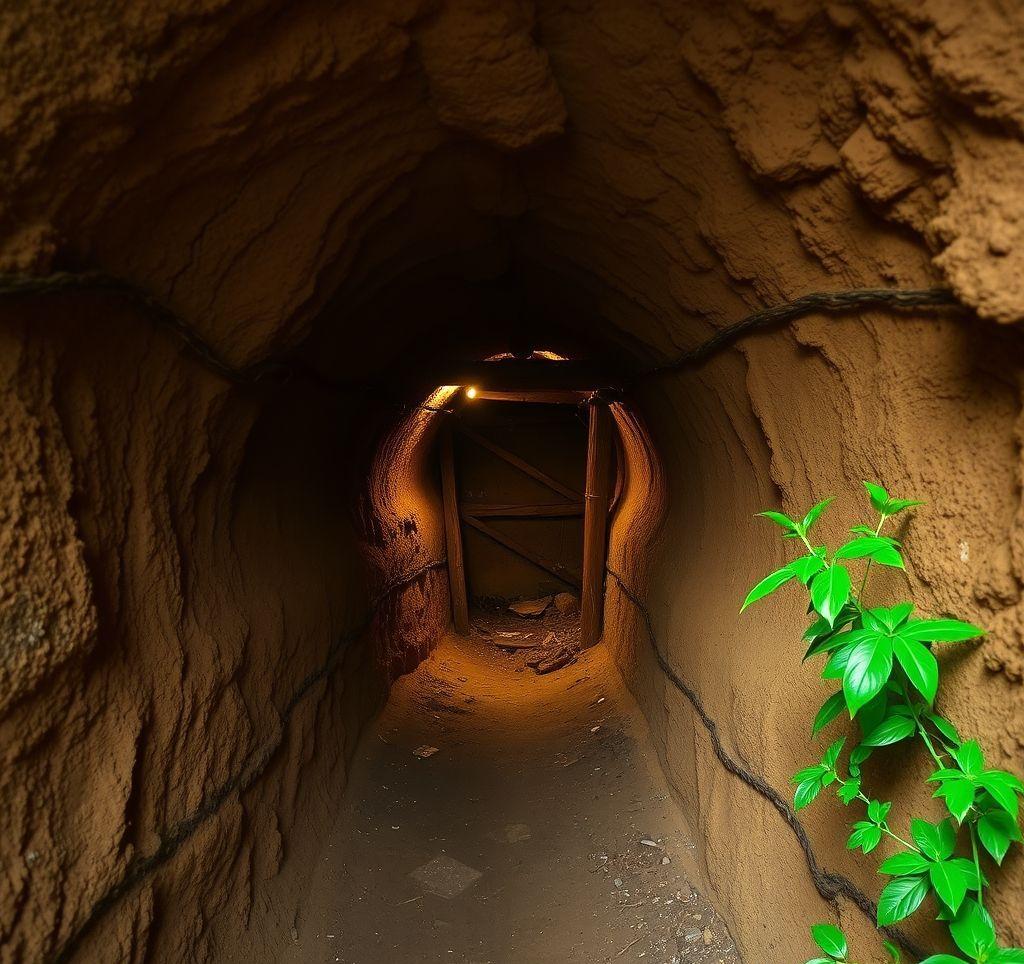
Imagine a giant ant colony hidden beneath the earth, but built by people during a time of war. That’s what the Cu Chi Tunnels were like—a secret underground world that stretched for miles under the forests of southern Vietnam. This amazing network was like a hidden city for soldiers during the Vietnam War, giving them shelter, secret paths, hospitals, and command centers right under the enemy’s feet. Today, these tunnels stand as a powerful reminder of how clever and tough the Vietnamese people were. Visiting them is like stepping into history, helping you understand the smart plans and huge sacrifices that helped shape Vietnam. Located just a short drive from Ho Chi Minh City, this place draws visitors from all over who want to explore its narrow passages and learn its stories.
The Beginnings and Building of the Tunnels
The Cu Chi Tunnels started back in the 1940s when Vietnam was fighting for independence from France. At first, they were just simple hiding spots, like a kid’s secret fort. But as the war grew hotter, the tunnels expanded into a huge underground maze. By the 1960s, it was like a full hidden town with living areas, kitchens, weapon workshops, and even places for entertainment. People dug these tunnels mostly by hand, using basic tools like shovels and baskets, showing incredible determination. The soil in Cu Chi was perfect for digging—firm but easy to shape, like modeling clay. Workers often dug at night to stay hidden, getting rid of the dirt in rivers or spreading it in forests to cover their tracks. The tunnels had different levels, some very deep, with sneaky entrances and air vents that looked like natural termite hills. They also had traps to stop enemies. This clever system let fighters move without being seen, attack by surprise, and survive bombings. As one veteran said:
The tunnels were our home, our fortress, and our hope. Without them, we could not have endured.
Today, parts of the tunnels are made wider for tourists, but they still give you a feel for how tight and creative they were.
Life Underground: Surviving in Tough Times
Living in the Cu Chi Tunnels was incredibly hard, but it showed how people can adapt when things get rough. Soldiers and civilians spent days or weeks underground to avoid being found. The tunnels were dark, damp, and cramped—like crawling through a narrow pipe. The air was stuffy, and sicknesses spread easily because there wasn’t good sanitation. Even so, they had important spots: kitchens with clever ways to hide smoke, hospitals for basic care, and rooms for planning. Food was scarce, with things like cassava and sweet potatoes grown in hidden gardens above. Keeping spirits up was key; people made music and told stories to stay hopeful. The tunnels also worked like a secret messaging system, with runners carrying news between sections. This life underground took huge bravery and teamwork, showing how everyone worked together. For visitors today, crawling through a part of the tunnels is a humbling experience that helps you appreciate what people went through.
Big Moments and Why the Tunnels Mattered
The Cu Chi Tunnels were central to many important events in the Vietnam War. They were the launchpad for the Tet Offensive in 1968, a series of surprise attacks that changed the war’s direction. From these hidden passages, fighters coordinated strikes on Saigon (now Ho Chi Minh City) and other key spots, proving how valuable the tunnels were as a command center. American and South Vietnamese troops were often confused because their enemies seemed to vanish into the ground. In response, U.S. forces tried to destroy the tunnels in 1966 but had little success because they were so complex and trapped. The tunnels also helped move supplies along the Ho Chi Minh Trail, like a secret highway for weapons and people from North Vietnam. Their existence forced armies to come up with new tactics, like using tunnel rats—soldiers who went into the passages—showing the psychological power of the tunnels. Historically, they’re a symbol of how smart ideas can beat bigger technology. This story is kept alive through tours that explain these events, making history feel real for visitors.
Visiting Today: What You’ll See
Now, the Cu Chi Tunnels are a fascinating historical site and popular spot for tourists, about 70 kilometers from Ho Chi Minh City. You can visit two main areas: Ben Dinh, which is more built-up with easier tunnels for tourists, and Ben Duoc, which feels more original and has a memorial temple. A typical visit starts with a video about the history, then a guided tour where you see real trapdoors, bunkers, and wartime objects. The big moment for many is crawling through a safe part of the tunnels—a tight, dim passage that lets you feel what soldiers faced. Above ground, there are recreations of kitchens and workshops, and you can even try shooting old guns at a range (for an extra cost). The site is well-kept, with shady paths and info signs, great for all ages. Wear comfy clothes and closed shoes for walking and crawling. Bring water and bug spray, especially in humid weather.
Tips for Your Trip
To have a good visit to the Cu Chi Tunnels, plan ahead. The site is open daily from 7:00 AM to 5:00 PM; mornings are less busy and cooler. It’s best to go in the dry season (November to April) to avoid rain. You can join a tour from Ho Chi Minh City that includes transport and entry, or hire a private car for more freedom. Buses are available but might be tricky if you don’t speak Vietnamese. Entry is cheap (about 110,000 VND for adults), and a local guide is a great idea for stories—many speak English well. Be respectful: don’t litter and follow guide instructions, especially in tight spaces. If you’re claustrophobic or have trouble moving, you can still enjoy the above-ground displays. Afterward, try local food like boiled tapioca with peanut salt, which tunnel dwellers ate. For more travel tips and secrets about Vietnam, check out online resources for real adventures.
More to Explore Nearby
Beyond the tunnels, the area around Cu Chi has other cool things to see. Close by, there’s a wildlife rescue station that helps animals, offering a different side to the region. You can also visit local villages to see traditional crafts like making rice paper or tapping rubber trees. The countryside is green and peaceful, good for biking or boat rides. If you have time, you might go to Tay Ninh Province to see the Cao Dai temple, a colorful place for a unique religion. Back in Ho Chi Minh City, you can learn more at the War Remnants Museum or shop at Ben Thanh Market. Adding these stops turns your trip into a fuller cultural experience.
The Cu Chi Tunnels are not just a history lesson; they show how people can be incredibly resilient and clever. From small starts to big war moments, they open a window into Vietnam’s past. Visiting lets you learn and think about the costs of war and human strength. As you walk through the narrow paths, you’ll appreciate Vietnam’s journey to peace. Whether you love history, adventure, or just exploring, the Cu Chi Tunnels are a must-see in Vietnam.