
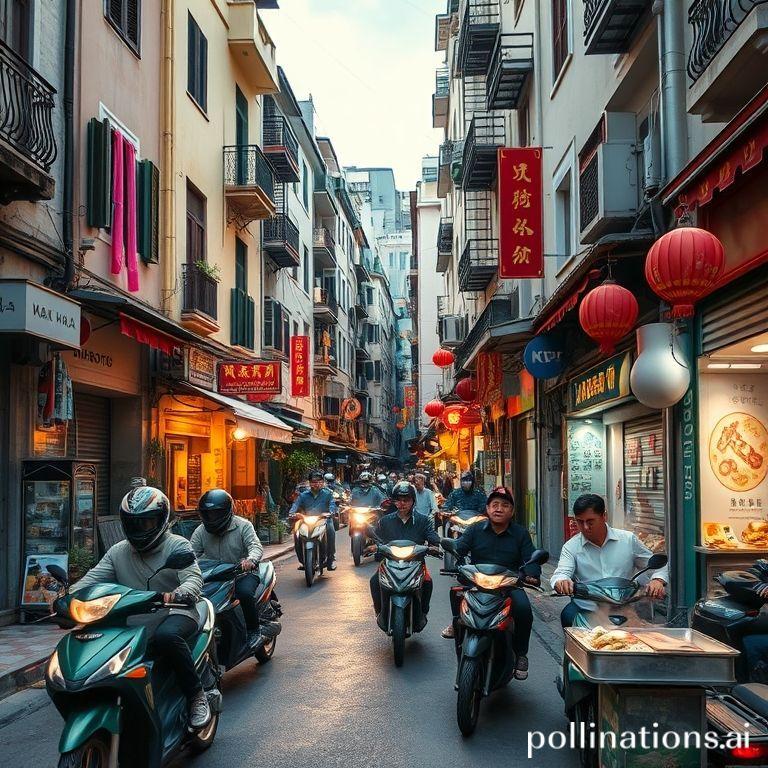
Welcome to Hanoi, Vietnam’s amazing capital city. Imagine this place as a beautiful tapestry where old traditions and modern life weave together perfectly. This ancient city, over a thousand years old, mixes French colonial buildings like pieces from a history book with busy markets, calm lakes, and important historical spots that tell Vietnam’s rich story.
As you explore Hanoi’s different neighborhoods, you’ll understand why travelers from everywhere fall in love with this city. From the exciting energy of the Old Quarter to the serious respect of historical monuments, each place gives you a special window into Vietnamese culture and everyday life.
In this complete guide, we’ll show you the top 10 must-see places in Hanoi. We’ll give you inside tips, historical background, and practical advice to help you enjoy your journey through this remarkable city.
Hoan Kiem Lake: The Heart of Hanoi
Located in the historical center of Hanoi, Hoan Kiem Lake acts like the city’s spiritual and cultural heartbeat. The name means “Lake of the Returned Sword,” referring to the story of Emperor Le Loi. He received a magical sword from the Golden Turtle God to fight Chinese invaders. After winning, the emperor gave the sword back to the turtle in this very lake.
The lake’s most famous feature is the beautiful Turtle Tower standing on a small island. The Ngoc Son Temple, reached by crossing the bright red Huc Bridge, offers a quiet escape from the city’s busy energy. Early morning visitors can see locals practicing tai chi, while evenings bring couples walking along the lit pathways.
“Hoan Kiem Lake isn’t just a body of water—it’s the living, breathing soul of Hanoi where past and present converge.” – Local historian Nguyen Van Hung
The area around the lake becomes lively on weekends when cars are not allowed. This creates a walking paradise with street performances, food stalls, and families enjoying time together. Don’t miss sitting at one of the lakeside cafes and watching the city’s rhythm unfold before you.
The Old Quarter: 36 Streets of Tradition
Hanoi’s Old Quarter has been the commercial heart of the city for over a thousand years. Originally, each of the 36 streets focused on a specific craft or trade, from silk and silver to bamboo and herbs. While modern life has changed some things, many streets still keep their traditional specialties.
Walking through the narrow, busy streets is an experience that uses all your senses. The constant sound of motorbikes, the smell of street food, the bright colors of hanging goods, and the energetic bargaining create an unforgettable atmosphere. Hang Bac Street still has silver shops, while Hang Ma Street shines with colorful paper products for festivals and ceremonies.
People who love architecture will enjoy the unique “tube houses”—narrow, deep buildings designed to avoid taxes based on street front space. These structures often mix Vietnamese, French, and Chinese building styles, telling the story of Hanoi’s complex history through their appearances.
For the most real experience, visit early in the morning when shopkeepers are setting up or in the evening when the night market comes alive. Be sure to try street food from the many vendors—this is where you’ll find some of Hanoi’s most delicious and affordable food treasures.
Ho Chi Minh Mausoleum: A National Sanctuary
The Ho Chi Minh Mausoleum stands as one of Vietnam’s most important political and historical sites. This large granite building holds the preserved body of Ho Chi Minh, the revolutionary leader who brought Vietnam to independence. The mausoleum’s design shows both Vietnamese architectural traditions and Soviet influence, creating a serious and impressive presence.
Visiting the mausoleum requires following strict rules—dress modestly, stay quiet, and keep moving through the viewing area. The experience is short but deep, offering a look at the strong respect Vietnamese people have for “Uncle Ho.” The surrounding Ba Dinh Square is where Ho Chi Minh read the Declaration of Independence in 1945, creating the Democratic Republic of Vietnam.
After showing respect at the mausoleum, explore the nearby Presidential Palace, Ho Chi Minh’s Stilt House where he lived simply despite his position, and the unique One Pillar Pagoda—a Buddhist temple built to look like a lotus flower coming out of water.
The complex gives fascinating insights into Vietnam’s revolutionary history and the personality of its most loved leader. Allow at least half a day to fully appreciate all the sites within this important historical area.
Temple of Literature: Vietnam’s First University
Started in 1070, the Temple of Literature stands as Vietnam’s first national university and a beautiful example of traditional Vietnamese architecture. Originally made to honor Confucius, the temple complex served as an educational institution for nearly 700 years, teaching mandarins and scholars for the royal court.
The temple follows a traditional layout with five courtyards, each serving a specific purpose in the learning journey. The third courtyard has the Constellation of Literature Pavilion and the Doctor’s Steles—82 stone tablets placed on turtle backs, carved with the names of doctoral graduates from 1442 to 1779. These steles represent Vietnam’s commitment to education and are recognized as a UNESCO World Documentary Heritage.
Today, the temple remains an important cultural site where students come to pray for success in their studies, especially during exam periods. The peaceful gardens, ancient architecture, and scholarly atmosphere provide a welcome break from the city’s noise.
Visit during early morning to avoid crowds and experience the temple’s calm atmosphere. Don’t miss watching traditional music performances sometimes held in the main courtyard, adding another layer to this cultural experience.
West Lake: Hanoi’s Largest Freshwater Lake
Covering about 500 hectares, West Lake offers a different view of Hanoi life. As the city’s biggest lake, it provides breathing space and fun activities for residents and visitors alike. The area around the lake has fancy neighborhoods, international embassies, and some of Hanoi’s best eating places.
Cycling or walking around the lake’s 17-kilometer edge shows changing scenes—from ancient pagodas and temples to modern cafes and restaurants. Tran Quoc Pagoda, located on a small island in the lake, is Vietnam’s oldest Buddhist temple dating back to the 6th century. The red-lacquered pagoda creates a stunning contrast against the blue water, especially during sunset.
West Lake becomes lively in the evening when the temperature cools and locals gather for exercise, socializing, and dining. The lakeside road turns into a popular spot for young people on motorbikes enjoying the breeze and city lights reflecting on the water.
For a unique experience, visit one of the floating restaurants or take a pedal boat onto the lake. The area is especially beautiful during lotus season when the lake’s surface becomes covered with pink and white flowers.
Hoa Lo Prison Museum: History Preserved
Known to American POWs as the “Hanoi Hilton,” Hoa Lo Prison offers a serious look at Vietnam’s colonial and wartime history. Originally built by French colonists to hold political prisoners, the prison later held American pilots during the Vietnam War.
The museum presents two different stories—the cruel treatment of Vietnamese revolutionaries by French colonists and the more humane treatment of American prisoners according to Vietnamese accounts. Exhibits include original prison cells, guillotines used for executions, and personal items from prisoners.
While the museum’s presentation shows the government’s viewpoint, it provides valuable insights into Vietnam’s fight for independence and the complexities of war. The contrast between the prison’s dark history and its current location among modern tall buildings symbolizes Hanoi’s transformation.
Allow about two hours to fully take in the exhibits and think about this difficult chapter of Vietnamese history. The experience is emotionally challenging but essential for understanding the country’s strength and determination.
Thang Long Imperial Citadel: Ancient Royal Grounds
Named as a UNESCO World Heritage Site in 2010, the Thang Long Imperial Citadel represents over a thousand years of continuous political power in Hanoi. The complex served as the political center of Vietnam through multiple ruling families, from the Ly Dynasty in the 11th century through the Nguyen Dynasty in the 19th century.
Archaeological digs have revealed layers of history, including foundations of ancient palaces, roads, wells, and objects dating back to the 7th century. The site’s most famous remaining structure is the Flag Tower, built in 1812, which has become one of Hanoi’s symbols.
The citadel’s museum shows objects discovered during excavations, providing context for the site’s historical importance. Meanwhile, the beautifully kept gardens and restored buildings offer pleasant spaces for exploration and photography.
Visit during weekdays to avoid crowds and consider hiring a guide to fully appreciate the site’s historical layers. The citadel is especially atmospheric in the late afternoon when the golden light makes the ancient structures look beautiful.
Long Bien Bridge: Colonial Engineering Marvel
Crossing the Red River, Long Bien Bridge stands as proof of Hanoi’s strength and transformation. Designed by Gustave Eiffel’s company and finished in 1903, the bridge was once one of the longest in Asia and played a key role during the Vietnam War, surviving many bombing attacks.
Walking across the bridge offers special views of Hanoi—from the modern city skyline to country landscapes along the riverbanks. The bridge’s original design included a railway line down the middle with roads on either side, though today it mainly serves trains, motorcycles, and walkers.
Early morning is the best time to experience the bridge’s vibrant activity as farmers bring their produce to the city by bicycle and motorcycle. Sunset provides dramatic photo opportunities as the steel structure stands out against the colorful sky.
The bridge represents more than just physical connection—it symbolizes Hanoi’s ability to endure and adapt through challenging times. Its continued use despite its age and damage shows Vietnamese practicality and respect for history.
Dong Xuan Market: Commercial Hub
As Hanoi’s largest covered market, Dong Xuan offers a real look into the city’s commercial life. The four-story building holds hundreds of vendors selling everything from fresh fruits and seafood to clothing, electronics, and household items.
The market’s history goes back to the French colonial period, though the current structure was rebuilt after a terrible fire in 1994. While the ground floor keeps its traditional market feeling with food vendors and essential goods, the upper floors have adapted to tourism with souvenirs and clothing.
For the most authentic experience, arrive early when wholesalers are busy with restaurant and shop owners. The energy and negotiation methods provide fascinating insights into Vietnamese business culture. Don’t be afraid to bargain—it’s expected and part of the market experience.
The surrounding streets become lively in the evening with the Dong Xuan Night Market, where locals and tourists alike shop for clothing, accessories, and street food. The area represents the perfect mix of traditional commerce and modern tourism.
Water Puppet Theater: Unique Cultural Experience
No visit to Hanoi is complete without experiencing water puppetry, a special Vietnamese art form dating back to the 11th century. Starting in the Red River Delta, this traditional performance features wooden puppets moving across water surfaces, controlled by hidden puppeteers standing waist-deep in water.
The Thang Long Water Puppet Theater near Hoan Kiem Lake offers daily performances that bring Vietnamese folklore, farming life, and historical legends to life. The shows typically include scenes of farming, fishing, dragon dances, and the famous legend of the returned sword from Hoan Kiem Lake.
Accompanied by traditional Vietnamese music performed live with instruments like the dan bau (monochord) and bamboo flutes, the performances create a magical atmosphere that goes beyond language barriers. The combination of skilled puppetry, music, and water effects makes for an unforgettable cultural experience.
Book tickets ahead of time, especially during busy tourist seasons, and arrive early to get good seats. The theater offers multiple shows daily, with English subtitles and explanations to help international visitors understand the stories being shown.
Hanoi’s diverse attractions offer something for every traveler—from history lovers and food enthusiasts to architecture admirers and cultural explorers. Each of these top 10 destinations provides a unique perspective on Vietnam’s capital, revealing different aspects of its complex identity.
As you plan your Hanoi adventure, remember that the city’s true magic often lies in the unexpected moments—the spontaneous conversations with locals, the hidden alleyways, the unfamiliar flavors that become beloved memories. These famous sites provide the framework, but your personal discoveries will create the most meaningful connections.
We hope this guide inspires you to explore Hanoi’s rich tapestry of history, culture, and daily life. For more in-depth stories and visual journeys through Vietnam’s most captivating destinations, visit Journey Vietnam at https://journeyvietnam.top and subscribe to our YouTube channel https://www.youtube.com/@JourneyVietnam for immersive travel experiences that bring Vietnam’s beauty to life.