
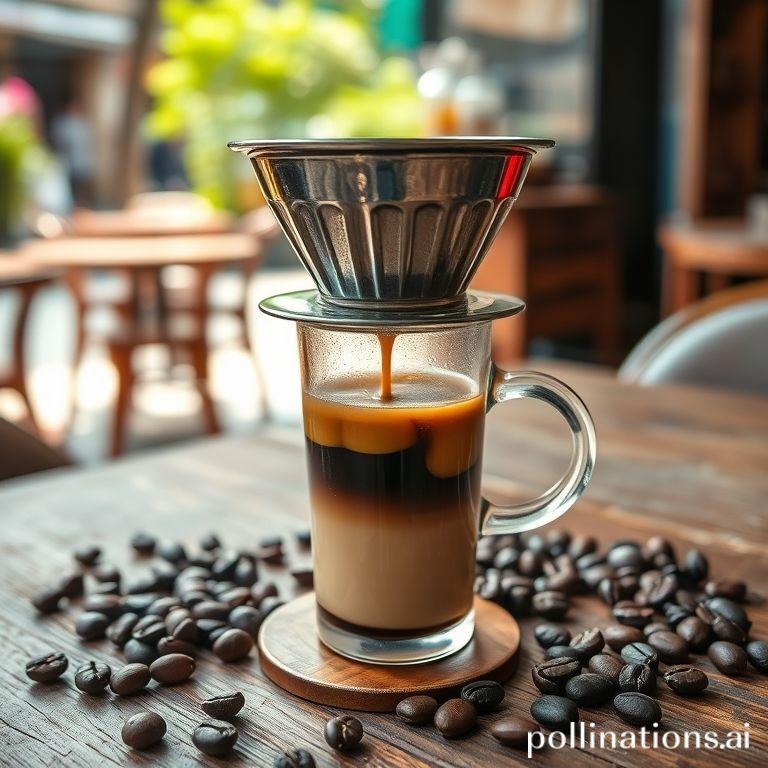
Vietnamese coffee is like a story that fills the air everywhere in Vietnam, from busy cities to quiet mountains. This special drink has become more than just something to sip—it’s a piece of culture, a way for people to connect, and a sign of how Vietnam can take something and make it its own. The tale starts in the 1800s when French settlers brought coffee plants to Vietnam. But instead of just copying what the French did, Vietnamese people added their own ideas and tastes, creating something new and unique.
Mixing Old and New
Think of Vietnamese coffee as a delicious recipe that mixes French ideas with Vietnamese creativity. The French brought the beans and how to brew them, but Vietnamese people changed coffee to fit their lives. The most famous drink—iced coffee with sweet milk—was invented when fresh milk was hard to find. This simple change turned into a beloved tradition that people all over the world now enjoy.
In this guide, we’ll explore the history of Vietnamese coffee, how it’s made, the different types you can try, and where to find the best cups in Vietnam. Whether you love coffee or are just curious, get ready to learn about this important part of Vietnamese life.
How Coffee Came to Vietnam
Coffee first arrived in Vietnam in 1857 when French missionaries brought coffee plants. The French leaders saw that Vietnam’s land and weather were perfect for growing coffee, especially in the Central Highlands. By the early 1900s, Vietnam was growing lots of coffee, but mostly for rich French people and wealthy Vietnamese.
Things changed after Vietnam became independent. Local farmers started growing more coffee, especially in the Buon Ma Thuot area. When times were tough and fresh milk was hard to get, people used canned sweet milk instead. This is how the famous iced coffee with sweet milk was born.
As one coffee expert said, “What started as a smart solution during hard times grew into a beloved tradition. Vietnamese people didn’t just use coffee—they reinvented it to match their tastes and situation.”
This creative spirit still defines Vietnamese coffee today, with new ideas appearing while keeping old methods alive.
The Special Bean of Vietnam
Most countries grow one main type of coffee bean, but Vietnam chose a different path. Vietnam grows mostly robusta beans, which are like the tough, strong older sibling of coffee beans. These beans love Vietnam’s climate and soil, especially in the Central Highlands. Robusta beans have more caffeine and a stronger, bolder taste that pairs perfectly with sweet milk.
Farmers started growing robusta during French times because these plants could handle Vietnam’s weather better. After the war, the government encouraged more robusta farming to help the economy. Today, Vietnam grows more robusta coffee than any other country.
What makes Vietnamese robusta special is how it’s processed. Most beans are dried in the sun with the fruit still on them, which gives them unique flavors like dark chocolate and spices.
A coffee expert explains, “The sun-drying method adds interesting flavors to what some people think is a simple bean. When made right, Vietnamese robusta can surprise even coffee experts with its depth and character.”
The Art of Making Vietnamese Coffee
The heart of Vietnamese coffee making is the phin—a simple metal filter that has become the symbol of real Vietnamese coffee. This small tool has four parts: a chamber for coffee grounds, a press with holes, a lid, and a base that sits on your cup. The beauty of the phin is that it makes you slow down and enjoy the process.
Here’s how it works: You put ground coffee in the chamber, then place the press on top. You add hot water in two steps—first a little to let the coffee expand, then the rest to fill the chamber. The coffee drips slowly through the filter, taking about four to five minutes.
A coffee shop owner says, “The phin isn’t just for making coffee—it’s like meditation. The slow drip pulls out all the flavor from the beans, creating that strong brew that’s the base of all Vietnamese coffee drinks. Rushing it doesn’t work.”
The result is a powerful, flavorful coffee that tastes perfect with sweet milk or black.
Vietnam’s Signature Drink: Iced Coffee with Sweet Milk
Iced coffee with sweet milk is the perfect match of strong Vietnamese coffee and sweet, thick milk, served over ice. Making it follows a specific order: First, you put one or two spoons of sweet milk in the glass. Then you pour the freshly brewed coffee over the milk, creating layers. Finally, you add ice and mix it all together.
The sweet milk isn’t just for tradition—it has real purposes. The sugar balances the strong taste of the coffee, while the thick texture makes it feel rich and creamy. The sweetness also helps soften the high caffeine content, making it easier for people who aren’t used to strong coffee.
Different parts of Vietnam make this drink slightly differently. In the north, they use less milk and more coffee. In the south, they add more milk and sometimes extra flavors like vanilla or chocolate.
A food writer notes, “You can guess where someone is from in Vietnam by how they make their iced coffee. The northern style with stronger coffee reflects Hanoi’s more reserved character, while the sweeter southern version matches Ho Chi Minh City’s lively personality.”
More Than Just One Drink: Regional Specialties
While iced coffee with sweet milk is the most famous, Vietnam has many other coffee creations. Different areas have their own special drinks based on local ingredients and traditions. In central Vietnam, you might find coffee with a pinch of salt, which brings out the natural sweetness. In the Mekong Delta, some places use ostrich eggs instead of chicken eggs for an extra-rich egg coffee.
In Dalat, the cooler weather inspired weasel coffee, though today they use more humane methods. Mountain areas near Sapa often add local herbs and honey to their coffee. Cities have developed their own styles too—Hanoi invented egg coffee during a milk shortage, while Ho Chi Minh City mixes old traditions with new trends.
A cultural researcher explains, “Vietnamese coffee culture isn’t the same everywhere. Each region has changed coffee to match local tastes and what ingredients are available, creating a beautiful variety of coffee traditions.”
Where to Find Real Vietnamese Coffee
If you want to experience authentic Vietnamese coffee, some places are especially worth visiting. In Hanoi, Giảng Café is the original home of egg coffee, still using the same recipe from 1946. This hidden café near Hoàn Kiếm Lake keeps the traditional methods that made it famous.
Ho Chi Minh City has countless options, from historic spots to modern coffee shops. If you want to see where coffee comes from, visit Buon Ma Thuot in Dak Lak province. This area has a coffee festival every March where you can taste different local varieties and learn from farmers.
Don’t forget about simple street vendors and neighborhood cafés either.
A travel expert advises, “Don’t skip the simple plastic stools and makeshift cafés you see on street corners. Some of my best coffee memories in Vietnam happened at unmarked spots where locals gather every morning. The quality is often amazing, and the feeling is truly Vietnamese.”
Coffee as Social Time
In Vietnam, coffee is more than just a drink—it’s a social activity that helps structure the day and brings people together. Vietnamese coffee shops, whether fancy indoor places or simple sidewalk setups, work as community spaces where people meet to talk, work, read, or just watch life go by. Unlike coffee shops in many Western countries where people grab and go, Vietnamese coffee drinking is meant to be enjoyed slowly.
The morning coffee routine often starts around 6 AM when shops fill with people beginning their day. Afternoons bring another wave of customers between 2 PM and 4 PM when people take breaks. Evening coffee has become popular too, with many shops staying open late for night owls and students. This all-day coffee culture shows how important coffee is to Vietnamese social life.
A sociologist says, “Coffee shops work as what we call ‘third places’—not home or work, but neutral ground where people form connections. The slow phin brewing encourages conversation and thinking, creating spaces for meaningful interaction in our fast world.”
This social aspect explains why coffee culture remains strong even as international coffee chains come to Vietnam.
New Ideas and Worldwide Popularity
While traditional Vietnamese coffee stays popular, a new generation of coffee makers is imagining what Vietnamese coffee can become. Modern coffee shops in big cities are trying single-origin beans, different brewing methods, and creative flavors. These places often focus on working directly with farmers to ensure good quality and sustainable farming.
Vietnamese coffee has also become popular worldwide, with Vietnamese-style coffee shops opening in cities from London to Los Angeles. The distinctive phin filter has become a symbol of real Vietnamese coffee abroad, while sweet milk has appeared on menus of specialty coffee shops trying to recreate the iced coffee experience. Some international coffee makers even use Vietnamese robusta in their blends for extra complexity and caffeine.
The global love for Vietnamese coffee has created new opportunities for Vietnamese coffee growers.
An export manager notes, “International interest in Vietnamese coffee has never been higher. We’re seeing more demand not just for large amounts of robusta but for special Vietnamese beans that show off our growing regions’ unique qualities. This helps us get better prices and invest in sustainable farming.”
This worldwide appreciation completes the circle for Vietnamese coffee—from French introduction to local adaptation to international love.
The journey through Vietnamese coffee culture tells us much about Vietnam itself—its history, its ability to bounce back, and its talent for creativity. From the French bringing coffee plants to the invention of special drinks like iced coffee with sweet milk, Vietnamese coffee represents adaptation and innovation. The robusta beans that grow well in Vietnam’s Central Highlands, the traditional phin brewing method, and the social habits around coffee drinking all create a coffee culture that is uniquely Vietnamese yet loved by everyone.
What makes Vietnamese coffee truly special is how it balances old traditions with new ideas. While classic preparations stay popular, new versions keep appearing, reflecting changing tastes and global influences. The social side of Vietnamese coffee culture—how it brings people together and organizes daily life—ensures that coffee will stay central to Vietnamese identity for years to come. Whether you drink it at a simple street stall or a modern specialty café, each cup of Vietnamese coffee tells a story of cultural mixing, clever problem-solving, and the simple joy of a well-made drink.
As you explore Vietnam’s coffee scene, remember that the best experiences often come from talking with local sellers, asking about their methods, and being open to new flavors and preparations.