
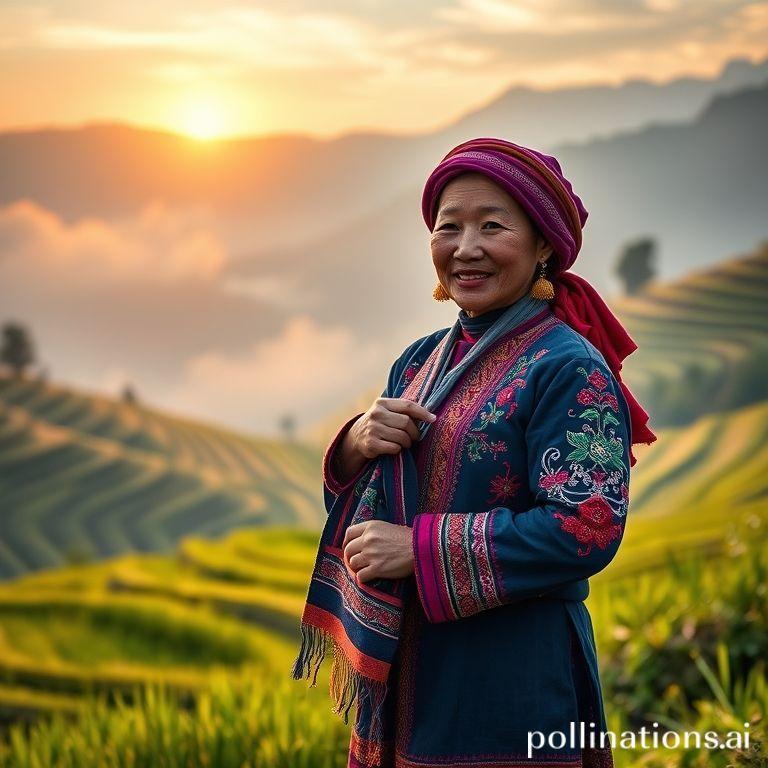
Beyond Vietnam’s busy cities and famous beaches lies a world of vibrant cultural traditions preserved by ethnic minority communities for centuries. The Hmong, Tay, and Dao peoples represent just a piece of Vietnam’s rich cultural quilt, yet their unique customs, colorful textiles, and ancient rituals offer some of the most authentic cultural experiences in Southeast Asia. These communities have maintained their special identities while living in harmony with Vietnam’s dramatic landscapes, from the misty mountains of Sapa to the remote valleys of Ha Giang.
At Journey Vietnam, we’ve spent years exploring these cultural treasures, documenting the stories and traditions that make Vietnam’s ethnic minority cultures so fascinating. Through our YouTube channel and website, we bring you closer to these communities, sharing their daily lives, festivals, and craftsmanship that have been passed down through generations. This journey into Vietnam’s cultural heartland reveals not just beautiful traditions, but living, breathing cultures that continue to grow while honoring their ancestral heritage.
In this complete guide, we’ll explore the unique traditions of the Hmong, Tay, and Dao peoples, discover their most important festivals and crafts, and show you exactly where and how to experience these cultures authentically. Whether you’re planning a trip to Vietnam or simply want to understand the country’s cultural variety, this exploration will take you deep into the soul of Vietnam’s highlands.
The Hmong People: Masters of Textile Art
The Hmong people, known for their detailed embroidery and batik techniques, have created one of Southeast Asia’s most visually stunning textile traditions. Their bright clothing tells stories through patterns and symbols, with each design carrying specific cultural meanings. The indigo-dyed hemp cloth, decorated with elaborate cross-stitch and appliqué work, represents not just artistic expression but cultural identity and spiritual beliefs.
Hmong communities are scattered across northern Vietnam’s mountainous regions, with significant populations in Lao Cai, Ha Giang, and Dien Bien provinces. Their villages, often perched on steep mountain slopes, reflect their adaptation to challenging terrain and their deep connection to the natural world. Traditional Hmong houses, built with wood and bamboo, blend smoothly into the landscape, while their farming practices show sophisticated knowledge of mountain agriculture.
The Hmong New Year, celebrated between November and December, is the community’s most important festival. This lively celebration features traditional music, courtship games, and the famous ball-tossing ritual where young people seek romantic partners. The air fills with the sounds of khen (mouth organs) and love songs, while participants wear their most elaborate traditional costumes, creating a spectacle of color and movement that shows Hmong cultural pride.
“Our embroidery tells the story of our ancestors and our connection to the spirit world. Each pattern has meaning, each color has purpose. This is how we remember who we are.” – Mai Thi Vu, Hmong artisan from Sapa
Hmong spiritual beliefs center around ancestor worship and nature spirits, with shamans playing important roles in maintaining harmony between the human and spirit worlds. Traditional healing practices, often involving herbal medicine and spiritual rituals, show the Hmong’s deep understanding of their natural environment. These beliefs are carefully woven into their daily lives, from birth ceremonies to funeral rites, creating a complete cultural system that has supported the community for generations.
The Tay People: Keepers of Ancient Traditions
As Vietnam’s largest ethnic minority group, the Tay people have developed a rich cultural heritage while maintaining strong connections to their ancestral lands in the northeastern provinces. Their stilt houses, built overlooking rice paddies and rivers, represent both practical adaptation to the environment and cultural identity. These traditional structures, with their distinctive thatched roofs and wooden frames, serve as community centers where multiple generations live together, preserving oral traditions and family histories.
Tay food reflects their farming lifestyle and deep knowledge of local ingredients. Sticky rice, prepared in bamboo tubes or steamed in banana leaves, forms the foundation of their diet, accompanied by river fish, forest vegetables, and unique fermented dishes. Their traditional alcohol, made from local grains and herbs, plays important roles in ceremonies and social gatherings, symbolizing hospitality and community bonds.
The Tay language contains a wealth of oral literature including epic poems, folk songs, and wise sayings that encode cultural wisdom. Then singing, a unique form of ceremonial music performed during important rituals, combines poetic lyrics with traditional instruments to communicate with the spirit world. These musical traditions represent living connections to ancient spiritual practices.
Traditional Tay textiles, while less colorful than Hmong work, show sophisticated weaving techniques and natural dye processes. Their indigo-dyed fabrics, often featuring simple geometric patterns, reflect the Tay style of quiet elegance and practical beauty. These textiles not only provide clothing but also serve as cultural markers, with specific patterns showing regional origins and social status within the community.
The Dao People: Spiritual Guardians of the Mountains
The Dao people, recognized by their elaborate red headdresses and silver jewelry, maintain complex spiritual traditions that blend Taoism with ancestor worship and nature spirits. Their religious texts contain detailed rituals for ceremonies ranging from birth celebrations to funerals. The cap sac ceremony, a coming-of-age ritual for Dao men, represents one of their most important spiritual traditions, marking the transition to full community membership.
Dao communities are famous for their traditional medicine knowledge, particularly their use of herbal baths for healing and cleansing. These medicinal practices, passed down through generations of shamans and healers, show sophisticated understanding of local plants and their healing properties. The herbal bath tradition has become increasingly popular among visitors seeking authentic wellness experiences, providing economic opportunities while helping preserve traditional knowledge.
Dao embroidery represents some of Vietnam’s most technically advanced textile art, featuring detailed patterns created through reverse appliqué and silver thread work. Their traditional costumes, particularly the wedding dresses worn by Dao brides, can take years to complete and represent significant family investments. These textiles not only display artistic skill but also include spiritual symbols and protective patterns believed to safeguard the wearer from harm.
The Dao calendar, based on moon cycles, structures farming activities and religious ceremonies throughout the year. Major festivals like the Lunar New Year and mid-autumn festival combine family gatherings with spiritual rituals, strengthening community bonds and cultural continuity. These celebrations feature traditional games, special foods, and ceremonial dances that have been preserved despite modernization pressures, showing the strength of Dao cultural traditions.
Cultural Festivals and Celebrations
Vietnam’s ethnic minority festivals provide the most colorful opportunities to experience living traditions. The Hmong New Year in Sapa and surrounding areas transforms the region into a kaleidoscope of color and sound each winter. Young people dressed in their finest traditional costumes participate in folk games, traditional sports, and courtship rituals, while elders conduct ceremonies to thank ancestors and ensure prosperity for the coming year. The festival represents not just celebration but cultural teaching, as younger generations learn traditional songs, dances, and customs.
Tay communities celebrate the Long Tong Festival each spring, offering prayers for good crops and expressing gratitude to the gods of agriculture. This colorful event features traditional music performances, bamboo dancing, and ceremonial offerings at village shrines. The festival strengthens community bonds while reinforcing the Tay people’s deep connection to their farming heritage and natural environment.
Dao fire-walking ceremonies demonstrate the deep spiritual connection between the people and the natural world. Participants, prepared through cleansing rituals and prayers, walk across hot coals without injury, symbolizing protection from spirits and showing faith in their traditional beliefs. These powerful ceremonies represent living examples of ancient spiritual practices that continue to shape Dao identity.
Throughout the year, smaller celebrations mark farming cycles, family milestones, and religious observances in ethnic minority villages. These personal gatherings offer authentic cultural experiences for respectful visitors, providing insights into daily life and community values. From rice planting ceremonies to housewarming rituals, these events show how traditional cultures adapt to modern challenges while maintaining core cultural values.
Traditional Crafts and Livelihoods
Ethnic minority communities maintain sophisticated craft traditions that represent both cultural heritage and economic activities. Hmong batik and embroidery, created using natural indigo dyes and beeswax-resist techniques, have gained international recognition for their artistic quality and cultural significance. Artisans, primarily women, learn these skills from childhood, spending hundreds of hours creating the elaborate patterns that decorate traditional clothing and household textiles.
Tay weaving traditions produce strong textiles using handlooms and natural fibers. Their indigo dyeing techniques, using locally grown plants and traditional fermentation methods, create the distinctive deep blue colors characteristic of Tay fabrics. These textiles, while useful, also carry symbolic meanings through their patterns and construction methods, representing the weaver’s skill and cultural knowledge.
Dao silverwork represents one of Vietnam’s most technically demanding traditional crafts. Silversmiths create detailed jewelry using techniques passed down for generations. Their work demonstrates the Dao people’s artistic sophistication and their appreciation for beauty in daily life.
Beyond these famous crafts, ethnic minority communities maintain knowledge of bamboo weaving, pottery, woodworking, and farming techniques adapted to mountain environments. These practical skills, developed over centuries of living in specific ecological areas, represent sustainable approaches to resource use and community development. As modern economic pressures increase, many communities are finding ways to preserve these traditions while creating sustainable livelihoods.
Where to Experience Authentic Cultural Encounters
Sapa and the surrounding Muong Hoa Valley offer the most accessible opportunities to experience Hmong and Dao cultures. Weekly markets in Bac Ha and Can Cau provide lively settings to observe traditional trading practices and admire ethnic minority textiles in their natural context. Homestays in villages allow visitors to experience daily life while supporting community-based tourism initiatives that help preserve cultural traditions.
Ha Giang Province provides stunning backgrounds for encounters with Hmong, Tay, and Dao communities. The Sunday market in Dong Van town brings together diverse ethnic groups from across the region, creating a living tapestry of cultural exchange. Remote villages offer opportunities to witness traditional farming practices and craft production in authentic settings.
Cao Bang Province, home to significant Tay populations, features traditional stilt house villages along the Bang Giang River. The area provides access to Tay communities maintaining traditional lifestyles. Ban Gioc Waterfall sits amid Tay and Nung villages where visitors can experience local hospitality and traditional crafts.
For those seeking deeper cultural immersion, community-based tourism initiatives in remote areas provide opportunities to participate in daily activities and learn directly from community members. These carefully managed programs ensure that tourism benefits local people while respecting cultural traditions and environmental sustainability. Through Journey Vietnam’s network of local guides and community partners, we help travelers arrange these authentic experiences that support cultural preservation.
Responsible Cultural Tourism Practices
Engaging with ethnic minority communities requires sensitivity and respect for cultural differences. Always seek permission before photographing people, particularly during ceremonies or in private spaces. Learn basic greetings in local languages and follow community guidelines regarding appropriate behavior and dress. Remember that you are visiting living communities, not cultural exhibits, and your actions should show respect for local customs and privacy.
Support community-based tourism initiatives that ensure economic benefits reach local people directly. Homestays, local guide services, and purchases from community cooperatives provide sustainable income sources that help preserve cultural traditions. Avoid mass tourism operations that may use cultural heritage without providing fair compensation to community members.
When purchasing handicrafts, buy directly from artisans or through community cooperatives rather than commercial shops. This ensures that artists receive fair payment for their work and helps sustain traditional craft knowledge. Ask about the stories behind the crafts you purchase – understanding the cultural significance of traditional textiles and artwork deepens your appreciation and supports cultural teaching between generations.
Educate yourself about specific cultural rules before visiting ethnic minority areas. Different communities have distinct customs regarding hospitality, religious sites, and social interactions. Your willingness to learn and adapt shows respect for the cultures you’re visiting and helps create positive cross-cultural exchanges.
As we complete our journey through Vietnam’s ethnic minority cultures, we’re reminded that these living traditions represent not just historical artifacts but dynamic cultural systems adapting to modern challenges. The Hmong, Tay, and Dao peoples have maintained their distinct identities while contributing to Vietnam’s rich cultural variety, showing remarkable strength and creativity in preserving their heritage.
Through responsible tourism and genuine cultural exchange, we can help ensure that these traditions continue to thrive for future generations. Each visit to an ethnic minority village, each purchase of traditional handicrafts, and each respectful interaction helps support cultural preservation while creating meaningful connections across cultural boundaries. The true beauty of Vietnam’s ethnic minority cultures lies not just in their colorful textiles or ancient rituals, but in their ongoing vitality and relevance in the modern world.
At Journey Vietnam, we’re committed to sharing these cultural treasures through our documentaries and travel resources, helping visitors experience the authentic soul of Vietnam beyond the usual tourist paths. We invite you to explore our YouTube channel and website for more detailed stories about Vietnam’s cultural variety and practical guidance for your own cultural adventures. Whether you’re planning a trip or simply curious about Vietnam’s rich cultural quilt, there’s always more to discover in this land of enduring traditions and warm hospitality.