
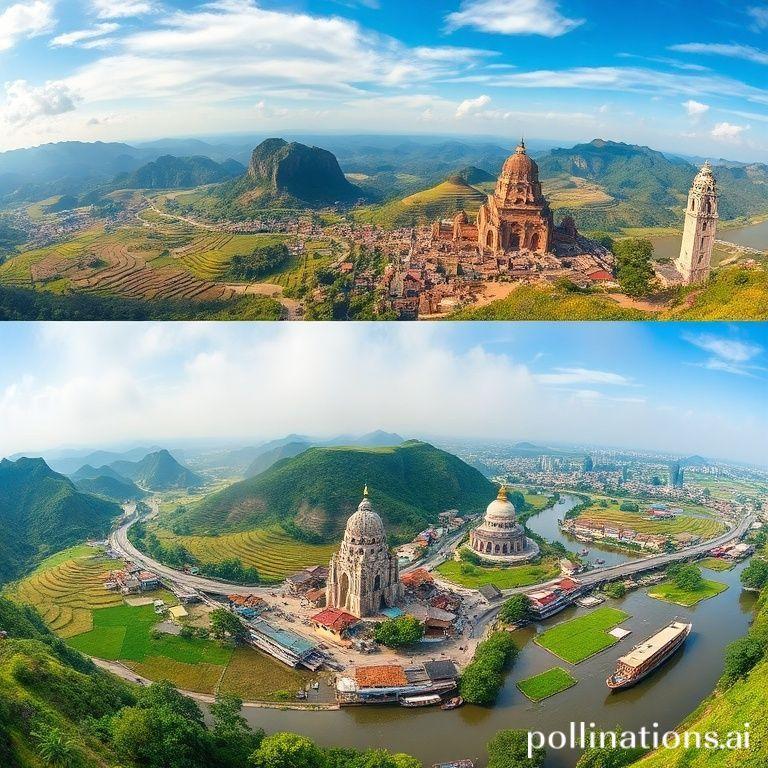
Vietnam’s geography is like a colorful quilt made from different climate patches and experiences that change with the calendar. From the hazy, mysterious mountains of Sapa to the bright, sunny shores of Phu Quoc, each season brings its own special magic and some tricky parts for visitors. Knowing Vietnam’s weather patterns and festival schedule is like having a roadmap for creating your ideal trip through this captivating country.
January: Winter’s Cool Touch in Northern Vietnam
January is when winter reaches its peak in northern Vietnam, bringing clear, cool days that are perfect for wandering through Hanoi’s historic lanes and exploring the highlands. Think of Hanoi’s weather as a mild 17°C (63°F), while places like Sapa can feel much colder, sometimes dipping to 10°C (50°F) or below, with frost painting the ground in the early hours. This season is like nature’s invitation for hiking through northern Vietnam’s breathtaking scenery—the cool, dry air makes walking pleasant, and the clear skies are a photographer’s dream.
The Lunar New Year, called Tet Nguyen Dan, often lands in late January or early February, making this one of the most tradition-rich times to experience Vietnam. During Tet, you’ll see Vietnam in its most authentic form, with families reuniting, streets blooming with peach blossoms and kumquat trees, and special dishes being cooked up. However, travelers should be aware that getting around can be tough during this time, as millions of Vietnamese journey back to their family homes.
Coastal spots like Halong Bay enjoy mild temperatures around 20°C (68°F), ideal for sailing among the limestone islands without summer’s sticky humidity. Central Vietnam has gentle weather, with Hue and Hoi An resting at about 22°C (72°F), while southern Vietnam stays warm and dry, with Ho Chi Minh City averaging 28°C (82°F).
February: Spring’s First Flowers and Celebrations
February continues the dry season across most of Vietnam, with temperatures slowly warming up. In the north, spring starts to wake up, bringing lovely blossoms and slightly warmer air averaging 18°C (64°F) in Hanoi. This is a prime time for visiting the northern highlands, where you might still see the winter mist that creates stunning, dramatic views perfect for pictures.
If Tet falls in February, you’ll get to witness the country’s biggest celebration. The days before Tet buzz with lively flower markets, while the holiday itself bursts with fireworks, lion dances, and traditional rituals. After Tet, the festive mood lingers as people visit temples and pagodas to wish for good luck in the new year.
Central Vietnam’s beach destinations like Danang and Nha Trang begin to soak up more sun and warmth around 24°C (75°F), making beach trips more appealing. The south remains steadily warm and dry, great for discovering the Mekong Delta’s floating markets and green orchards.
March: Perfect Weather Almost Everywhere
March might be one of the top months to visit Vietnam, offering friendly conditions across most areas. Northern Vietnam basks in spring weather with comfortable temperatures around 22°C (72°F) and very little rain. The countryside bursts to life during rice planting season, creating brilliant green scenes in places like Mai Chau and Ninh Binh.
Central Vietnam enjoys superb beach weather, with Danang, Hoi An, and Nha Trang seeing lots of sunshine and temperatures near 26°C (79°F). This is ideal for mixing cultural discoveries with beach relaxation. Southern Vietnam stays dry and warm, though temperatures start rising toward 30°C (86°F) in Ho Chi Minh City.
This month also hosts several cultural festivals, including the Perfume Pagoda Festival north of Hanoi, where pilgrims explore sacred caves and temples. The dry conditions make March perfect for outdoor adventures nationwide, from hiking in northern mountains to island hopping in the south.
April: The Dry Season’s Final Act
April marks the end of the dry season across Vietnam, with temperatures climbing higher, especially in the central and southern regions. Northern Vietnam warms up to around 25°C (77°F), while the south can reach highs of 35°C (95°F) in Ho Chi Minh City. This heat is balanced by low humidity, making it more comfortable than the muggy summer months.
Central Vietnam’s beach spots shine in April, with Danang and Nha Trang enjoying their finest beach weather of the year. The sea is calm and warm, just right for swimming and water fun. This is also a great time for exploring the ancient ruins of My Son, as the dry weather makes walking around more pleasant.
The Hung King Temple Festival in Phu Tho province honors Vietnam’s legendary founders in mid-April, featuring traditional ceremonies and cultural shows. As the month moves on, you might notice the first hints of the coming rainy season with occasional quick showers, mainly in the north.
May: Shifting Toward the Rainy Season
May signals the start of the shift to rainy season across much of Vietnam. Northern Vietnam begins to feel more humid and sees sporadic rainfall, though temperatures stay agreeable around 28°C (82°F). The countryside is especially beautiful during this time, with rice fields glowing their brightest green before harvest.
Central Vietnam continues to have good beach weather, though humidity rises. Southern Vietnam steps into its rainy season, with brief, heavy afternoon showers becoming regular. These rains usually last just an hour or two, leaving plenty of time for sightseeing, and they cool the air while making the landscapes incredibly lush.
This month includes several important celebrations, such as Buddha’s Birthday (Vesak), when temples are adorned with lanterns and special ceremonies happen. The shoulder season conditions mean fewer tourists and often better prices on hotels and tours.
June: Summer Rains and Green Scenery
June finds the rainy season settled in the north and south, while central Vietnam stays fairly dry. Northern Vietnam gets regular rain, especially in mountainous areas, which can make hiking tricky but creates amazing waterfalls and super green views. Temperatures average 30°C (86°F) with high humidity.
Southern Vietnam’s rainy season grows stronger, with daily heavy rains that usually come in the late afternoon. These showers seldom ruin travel plans and have the benefit of cooling the air and cutting down dust. The Mekong Delta is especially interesting during this period, as higher water levels allow boats to travel through smaller canals.
Central Vietnam’s beach destinations remain great picks, with Danang and Hoi An having warm, dry weather perfect for blending cultural trips with beach days. This regional difference makes June a good month for concentrating your travels on central Vietnam while skipping the heavier rains elsewhere.
July: Summer’s Peak and Beach Time
July is the height of summer across Vietnam, with clear regional contrasts. Northern Vietnam goes through its hottest and wettest spell, with Hanoi averaging 32°C (90°F) and high humidity mixed with frequent rain. While this can make city exploring less comfortable, it’s a fine time for visiting higher spots like Sapa, where temperatures stay cooler.
Southern Vietnam keeps up its rainy season routine of afternoon showers, while central Vietnam enjoys its best beach weather. Danang, Hoi An, and Nha Trang see lots of sunshine with little rainfall, making this the busiest season for beach holidays in these areas.
This month holds several cultural events, including Wandering Souls Day (Trung Nguyen), when families make offerings to lost spirits. The summer break for Vietnamese students means domestic tourism peaks, particularly in coastal zones, so booking ahead is wise.
August: Mixed Weather Across the Map
August continues the summer pattern with big regional variations. Northern Vietnam remains hot and humid with frequent rain, though the showers often add to the striking beauty of places like Halong Bay. Central Vietnam keeps its excellent beach conditions, while southern Vietnam sees its rainy season ongoing.
This is a terrific month for visiting central Vietnam’s cultural sites, as the weather is good for exploring Hue’s Imperial City, Hoi An’s ancient town, and the Cham ruins at My Son. The beaches stay welcoming, with warm ocean temperatures perfect for swimming and water activities.
August sometimes hosts the Mid-Autumn Festival (Tet Trung Thu), especially if it comes early in the lunar calendar. This vibrant celebration is a favorite for children, with lion dances, lantern parades, and mooncakes adding to the festive spirit. The regional weather differences mean careful planning can guarantee a wonderful visit no matter the season.
No matter when you decide to visit Vietnam, each season holds its own unique charm. For more detailed travel insights and visual journeys through this beautiful country, visit Journey Vietnam at https://journeyvietnam.top and subscribe to our YouTube channel at https://www.youtube.com/@JourneyVietnam for stunning visual tours and expert travel tips that will help you plan your perfect Vietnamese adventure.