
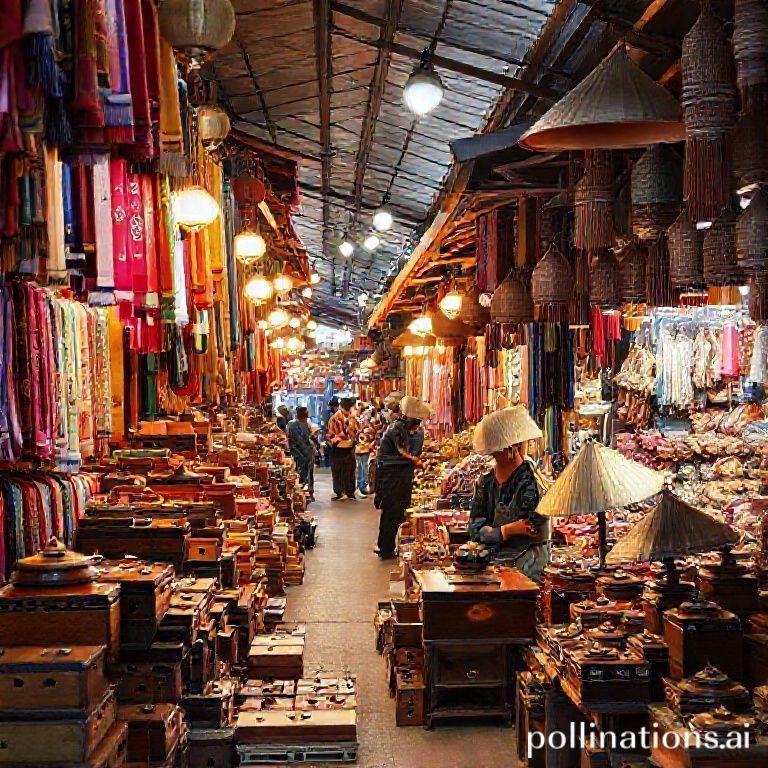
Walking into Vietnam’s busy markets feels like opening a treasure chest filled with the country’s history and art. From the shiny silk in Hoi An to the detailed lacquerware in Hanoi, every souvenir shares a piece of Vietnam’s story. This guide will help you find real Vietnamese keepsakes that show what makes this country special.
As you explore the colorful stalls and hear the sounds of artists working, you’ll see that shopping here is more than just buying things—it’s like stepping into Vietnam’s culture. The cone-shaped hats that shade farmers, the smooth silk that flows like melted gold, and the shiny lacquerware that shows years of skill all represent Vietnam’s heart.
Come with us as we look at the best souvenirs to buy. This guide will help you understand how each item is made and where to find the most authentic pieces. You’ll take home not just objects, but precious memories of your time in Vietnam.
The Beauty of Vietnamese Silk
People have loved Vietnamese silk for hundreds of years. The best silk comes from places like Hoi An, where they use old weaving methods, and Ha Dong near Hanoi, where families have been making silk for generations.
When you shop for silk, look for material that shines and feels smooth. Real Vietnamese silk feels cool and makes a rustling sound. Many visitors get áo dài outfits made from this fancy fabric. You can also find silk scarves, bags, and wall decorations with traditional patterns like lotus flowers and dragons.
To make sure you’re buying real silk, go to trusted shops in Hoi An’s Ancient Town or Van Phuc Silk Village in Hanoi. Many places let you watch how silk is made, from growing silkworms to weaving the final product. Hand-woven items cost more but are better quality.
Beautiful Lacquerware
Vietnamese lacquerware is like a window into the country’s art history. Artists use resin from special trees and add decorations like crushed eggshell, gold leaf, and shiny shell pieces. They create everything from useful household items to amazing artwork.
Making lacquerware takes a long time—some pieces need up to twenty coats and several months to finish. Each layer must dry completely before adding the next. Traditional designs show scenes from Vietnamese stories, nature patterns, and geometric shapes.
When choosing lacquerware, check that the surface is smooth and the designs are clear. Good pieces should shine like a mirror without any bumps. Popular items include jewelry boxes, trays, and vases. Visit craft villages like Ha Thai near Hanoi for the most authentic lacquerware.
The Story of Cone Hats
The Vietnamese cone hat, called nón lá, is more than just a hat—it represents the country’s farming history and graceful beauty. These hats are handmade from palm leaves woven onto bamboo frames. They protect people from sun and rain while letting air flow through.
The most special hats come from Hue and have hidden poetry or pictures that appear when you hold them up to light. These poetic hats often show scenes from Vietnamese stories or romantic writing. When buying a cone hat, make sure the weaving is even and the shape is balanced. A well-made hat feels light but strong.
You can find cone hats all over Vietnam, but for the best quality, visit craft villages like Chuong near Hanoi or look for artists in Hue. These hats make beautiful decorations when you’re not wearing them.
Market Adventures
Vietnam’s markets are lively places where shopping becomes an exciting experience. From floating markets in the Mekong Delta to mountain markets in Sapa, each market offers unique finds and chances to meet local people.
Visit markets like Ben Thanh in Ho Chi Minh City or Dong Xuan in Hanoi early in the morning to see them at their most real. This is when local people do their shopping, and you can watch the busy exchange of goods and conversation. Don’t be shy about talking to sellers—many know some English and like sharing stories about their products.
Bargaining is normal in most Vietnamese markets, but be respectful and friendly. Start by offering about half the asking price and work toward a fair middle price. Remember, the goal isn’t to get the cheapest price possible, but to agree on a price that values both the item and the artist’s skill.
Village Crafts
Beyond city markets, Vietnam’s craft villages let you buy real souvenirs straight from the artists who make them. These villages have often focused on specific crafts for generations, keeping alive methods that might otherwise disappear.
Bat Trang Ceramic Village near Hanoi has been making beautiful pottery for over 500 years. Visitors can try using the pottery wheel and order custom pieces. The embroidery village of Quat Dong creates amazing textile art using techniques handed down through families, while Van Phuc continues to produce Vietnam’s famous silk.
When visiting craft villages, take time to watch the artists work and appreciate the skill in each creation. Many villages have shops where you can buy finished products, and some offer classes where you can learn basic techniques.
Shopping with Care
As more tourists visit Vietnam, it becomes more important to shop responsibly to protect the country’s culture and support local communities. By thinking carefully about what you buy and where you buy it, you can make sure your souvenir shopping helps both the environment and the people who create these beautiful items.
Look for products made from natural materials using traditional methods rather than factory-made imports. Items using plant-based dyes, hand-woven fabrics, and materials like bamboo not only support traditional crafts but are better for the environment. When you can, buy directly from artists or groups that pay fair wages.
Avoid souvenirs made from endangered animals or historical artifacts, since buying these items harms the environment and steals cultural treasures. Instead, choose modern versions of traditional crafts that keep artistic traditions alive while allowing for new ideas.
As we finish our tour of Vietnam’s shopping scene, remember that the most meaningful souvenirs are those that connect you to the people and stories behind them. Whether it’s the soft touch of an áo dài, the shiny surface of a lacquerware box, or the simple beauty of a cone hat, each item carries Vietnam’s spirit within it. These treasures become more than just objects—they become doorways back to the lively markets, skilled artists, and friendly people that make Vietnam so memorable.