
Ho Chi Minh City is like a busy, modern machine, but its true heart beats quietly inside its museums. Beyond the rushing traffic and tall buildings, there is a deep story of culture and history, carefully saved and shown. For any visitor wanting to understand Vietnam, walking through these museums is more than just something to do; it’s like a meaningful journey to an important place. These places are the guardians of memory, art, and identity. They open windows to the nation’s difficult past, its strong spirit, and its lively artistic heart.
From the hard lessons of war to the stunning beauty of old and new art, Ho Chi Minh City’s museums offer many kinds of learning. They make visitors think, feel inspired, and get emotional, turning a simple city visit into a deep, personal connection with Vietnam’s story. This guide will walk you through the city’s most important museums, showing you the special treasures and powerful moments waiting at each one. For more visual trips into Vietnam’s culture, explore Journey Vietnam and subscribe to our YouTube channel, @JourneyVietnam, where we bring these stories to life.
The War Remnants Museum: A Story of Strength
You cannot truly visit Ho Chi Minh City without facing the powerful story at the War Remnants Museum. First opened in 1975, this museum shows a raw, firsthand account of the Vietnam War from a Vietnamese point of view. The experience is intense and unforgettable. It is designed not to celebrate war, but to show its human cost and to argue for peace.
The museum’s outdoor area sets the mood. It displays captured military equipment—like helicopters, tanks, and jets—which stand like silent statues from a past time of fighting. Inside, the exhibits are sorted by theme. The “Requiem” gallery is especially emotional. It shows the work of photographers from both sides who died in the war. As one expert said,
“These pictures go beyond arguments; they are a universal scream against the machinery of war.”
Another section explains the long-term effects of Agent Orange, with sad displays and stories that show a tragedy affecting many generations.
People often say the museum is tough but needed. It gives important background for understanding why modern Vietnam works so hard to grow and be independent. The museum doesn’t just live in the past; it shows the war as a spark for the nation’s powerful will to rebuild and succeed. It is a place for deep thought, where the whispers of history ask for our attention and understanding.
Ho Chi Minh City Museum of Fine Arts: A Castle of Imagination
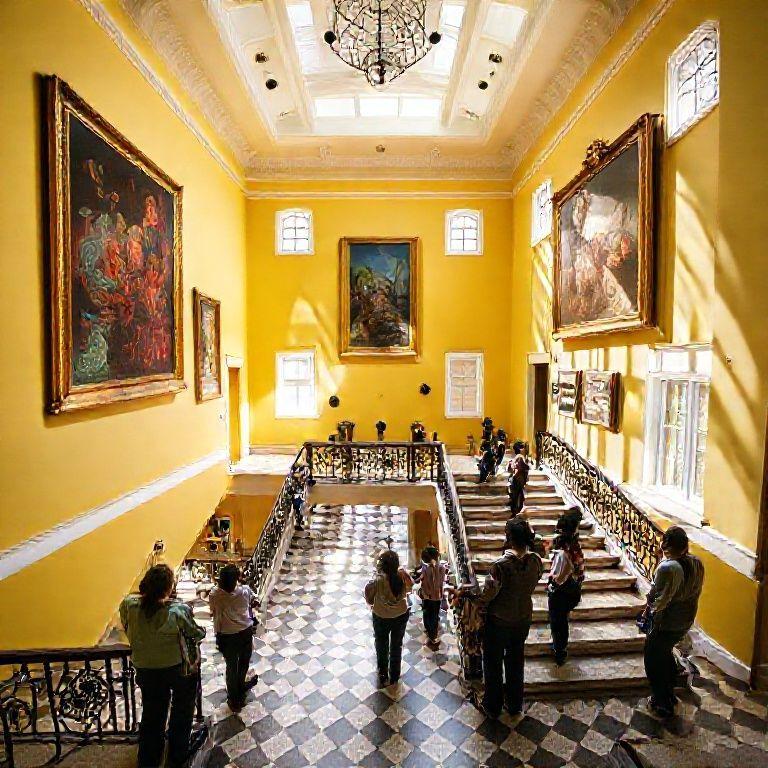
Housed in a gorgeous old building that is itself a masterpiece, the Ho Chi Minh City Museum of Fine Arts is a calm contrast to the city’s history museums. This yellow building, a mix of French and Chinese styles, is a treasure chest of Vietnamese art from ancient days to now.
The collection is on three floors, each showing a different part of Vietnam’s art history. The first floor often has modern shows from living artists, giving a feel for today’s creative world. Going up to the second floor, visitors see beautiful Oc Eo artifacts (from the 1st to 7th centuries), Cham sculpture, and old Vietnamese pottery. These show the skilled art of early cultures.
The real jewels are on the top floors, which focus on modern and current art (from the early 1900s to now). Here, you can follow the change in Vietnamese painting through key styles: the influence of French art schools mixed with Asian ideas, the socialist art of the mid-1900s, and the brave, experimental works of recent artists. Famous works by masters like Nguyen Gia Tri (known for lacquer paintings) and Bui Xuan Phai (famous for his nostalgic Hanoi street scenes) are main attractions. The museum is a quiet refuge where beauty and history talk across hundreds of years.
The Reunification Palace: Where History Happened
Standing strong at the end of historic Le Duan Boulevard, the Reunification Palace (once called Independence Palace) is like a bubble from the 1960s and a sign of the country coming together. On April 30, 1975, a North Vietnamese tank broke through its gates, marking the war’s end—a picture known around the world.
Today, the palace is kept almost exactly as it was on that important day. Tours take visitors through large formal rooms, the President’s home, and strangely old-fashioned command centers underground. The War Room, with its huge maps and old communication gear, feels stuck in time. The building’s design, by architect Ngo Viet Thu, is a cool example of modern style mixed with traditional Vietnamese parts and symbols.
More than just a museum, the palace is a living history site. Walking its halls, you step where big choices were made. It represents the dramatic turning point in Vietnam’s national story, changing from war to peace. The green gardens around the palace offer a peaceful break, a sharp difference to the building’s stormy past.
The Museum of Vietnamese History: A Trip Through Thousands of Years
Located next to the city’s Botanical Gardens, the Museum of Vietnamese History is in a pretty Sino-French building from 1929. It gives a full picture of Vietnam’s whole cultural growth, from prehistoric times to the end of the Nguyen Dynasty in 1945.
The exhibits are in time order, giving a clear learning path. You begin with Dong Son culture items, including the famous bronze drums that mark one of Southeast Asia’s first advanced societies. The museum has one of the world’s best collections of Cham sculpture outside of Da Nang, with elegant sandstone statues of gods and mythical beasts from the skilled Hindu kingdom that once grew in central Vietnam.
Other important sections cover the Oc Eo culture of the Mekong Delta, the art of the Nguyen Dynasty, and displays on the traditions and clothes of Vietnam’s 54 ethnic groups. The museum’s yard also has a small, lovely water puppet theater, with scheduled shows of this special northern Vietnamese art. It’s the perfect place to get a basic understanding of the deep cultural roots that shaped the nation.
The Ao Dai Museum: Honoring Vietnamese Grace
A short ride from the city center, the Ao Dai Museum offers a uniquely pretty and personal cultural experience. Started by designer Si Hoang, this calm garden museum is for Vietnam’s national clothing, the ao dai. More than just a fashion show, it celebrates the outfit’s role as a sign of elegance, identity, and feminine spirit.
The museum’s main building shows a beautiful collection of ao dai through time, from royal clothes of the Nguyen Dynasty to creative modern styles. Each piece tells a tale about its time’s social rules, beauty ideas, and skill. The rich gardens around it have life-sized statues of women in ao dai, making a poetic and picture-perfect scene.
What makes this museum special is its close, personal feeling. It seems like a labor of love, a poem to Vietnamese beauty. Visitors can learn about the detailed steps to make an ao dai and see how this simple dress has changed while staying a lasting symbol. It’s a fresh and uplifting look at a living tradition.
Smaller Treasures and Special Collections
Besides the big museums, Ho Chi Minh City has several smaller ones for specific interests. The Southern Women’s Museum gives a strong salute to women’s part in Vietnam’s history, especially during the wars, showing their power as soldiers, leaders, and mothers. The Ho Chi Minh City Museum, in another grand old building, focuses on the city’s own growth from its early days as Prey Nokor to its change into a booming business center.
For art fans, private galleries and artist spaces like the Dia Project and San Art show the latest modern works. For something unusual, the Traditional Medicine Museum has a interesting collection of items about ancient healing ways. These smaller spots allow deeper looks into specific parts of Vietnamese life, great for repeat visitors or people with special interests.
Exploring Ho Chi Minh City’s museums is like reading the parts of a rich, complicated book. Each place adds an essential layer to your understanding, from the serious truths of the War Remnants Museum to the everlasting beauty in the Fine Arts Museum. Together, they tell a story of toughness, creativity, and a spirit that cannot be broken. These are not just storehouses for objects; they are places for conversation with Vietnam’s past, present, and future.
Let these museums be your teachers. Let yourself be challenged, inspired, and touched. And to keep exploring the heart of Vietnam—its scenery, its food, and its people—we invite you to learn more with us. Visit Journey Vietnam for more stories and guides, and subscribe to our YouTube channel, @JourneyVietnam, where we capture the soul of this amazing country. Your adventure into understanding is just starting.