
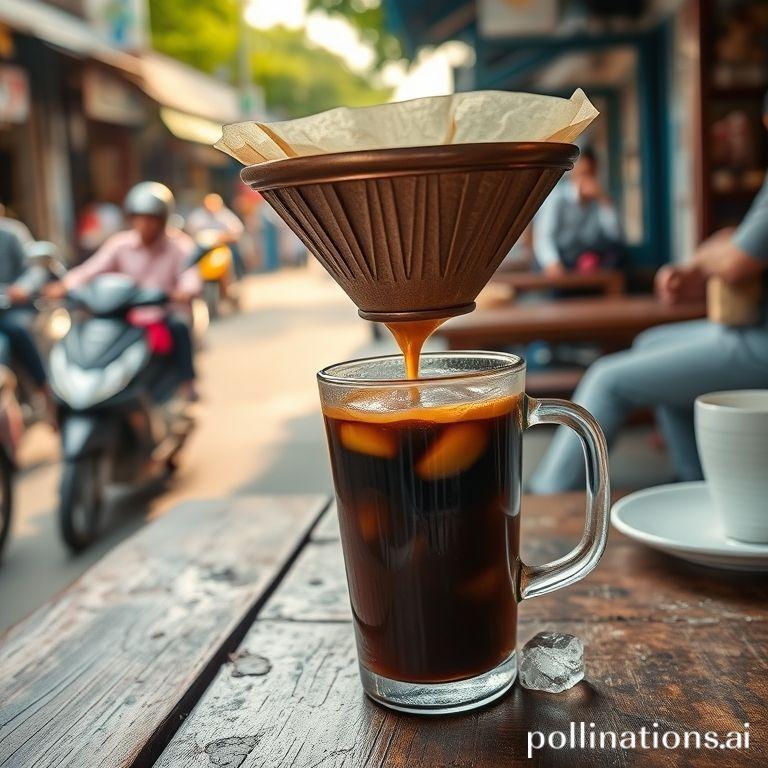
Vietnam’s coffee culture is like a rich tapestry woven through time, flavor, and daily life. From the busy streets of Hanoi to the peaceful highlands of Da Lat, coffee isn’t just a drink—it’s a window into the soul of the country. This guide will walk you through the amazing story of Vietnamese coffee, the special ways it’s made, and the best spots to try a real ca phe sua da. Whether you’re a coffee expert or just curious, learning about Vietnam’s coffee scene helps you appreciate its culture even more.
Vietnamese coffee has roots that go back to the country’s colonial days and farming changes. French colonists brought coffee plants to Vietnam in the 1800s, and farming quickly spread to the central highlands, where the weather was perfect for robusta beans. Today, Vietnam is the world’s second-biggest coffee grower, famous for its strong tastes and unique brewing styles. The most famous drink, ca phe sua da—iced coffee with sweet condensed milk—has become a symbol of Vietnamese toughness and creativity.
In this article, we’ll look at where Vietnamese coffee began, dive into how it’s prepared, and point out the top places nationwide to enjoy it. We’ll also share thoughts from local experts and history to show why Vietnamese coffee means so much to both locals and visitors. For more stories and visual trips through Vietnam’s food world, check out Journey Vietnam and subscribe to our YouTube channel.
The Historical Roots of Vietnamese Coffee
The tale of Vietnamese coffee starts in the mid-1800s when French missionaries and colonists first brought coffee plants to Vietnam. Grown first as a money crop, coffee farming grew fast, especially in the Central Highlands areas like Dak Lak and Lam Dong. The French set up big farms, using the rich volcanic soil and great climate to grow top-notch beans. But it wasn’t until the 1900s that coffee became a big part of everyday life in Vietnam.
During the Vietnam War, coffee production hit rough patches, but after the war, it made a huge comeback. The government’s Doi Moi money reforms in the 1980s supported private business, leading to a coffee explosion that turned Vietnam into a global coffee leader. Today, Vietnam mainly grows robusta beans, known for their bold, bitter taste and high caffeine, which are the heart of traditional Vietnamese coffee drinks.
History shows that by the 1990s, Vietnam had climbed to one of the top coffee sellers worldwide. A report from the International Coffee Organization says Vietnam’s coffee exports jumped from 1.2 million bags in 1990 to over 25 million bags by 2010. This growth not only helped the economy but also locked in coffee’s role in Vietnamese culture. From simple starts to world fame, the history of Vietnamese coffee is a proof of the nation’s ability to adapt and its love for this treasured brew.
The Art of Vietnamese Coffee Preparation
Making Vietnamese coffee is like an art that needs patience, care, and some special tools. The most famous way uses the phin filter—a small metal drip brewer that sits on top of a glass or cup. This simple but smart tool allows for a slow drip process, giving a strong, concentrated coffee that’s the base for many popular drinks.
To make a classic ca phe sua da, start by putting two spoons of sweet condensed milk in a glass. Place the phin filter on top, add medium-coarse ground coffee (usually robusta), and press down gently with the filter’s presser. Pour a little hot water (just boiled) to let the coffee bloom, wait about 30 seconds, then fill the filter with water. Let it drip slowly—this can take 4-5 minutes—until all the water has passed through. Stir the coffee and condensed milk together, then pour over a glass full of ice for the perfect iced coffee.
There are many variations, like ca phe den (black coffee), ca phe trung (egg coffee), and ca phe cot dua (coconut coffee). Each style shows off different parts of Vietnamese cleverness, often using local ingredients to make unique flavors. For example, egg coffee, a Hanoi specialty, mixes whipped egg yolk with condensed milk and coffee for a creamy, dessert-like treat. These methods not only make tasty drinks but also reflect the cultural idea of taking time to enjoy life’s simple joys.
Understanding Vietnamese Coffee Beans
Vietnam’s coffee world is ruled by robusta beans, which love the country’s tropical climate and higher places. Robusta beans are known for their bold, earthy flavor and higher caffeine compared to arabica beans. This makes them perfect for the strong, intense coffee that defines Vietnamese drinks. But lately, there’s been more interest in growing arabica, especially in areas like Da Lat and Son La, where cooler temps allow for more subtle flavors.
The processing methods also play a big part in shaping Vietnamese coffee’s character. Most robusta beans are dry-processed (natural), where the cherries are dried in the sun before the beans are taken out. This method gives a fruity, sometimes smoky note to the coffee. Some growers are trying wet processing (washed) and honey processing to create more complex profiles that attract world markets.
According to the Vietnam Coffee and Cocoa Association, over 90% of Vietnam’s coffee production is robusta, with the rest being arabica and other types. This focus on robusta has shaped how the world sees Vietnamese coffee as sturdy and full-bodied. But as tastes change, Vietnamese farmers and roasters are looking more at quality over quantity, leading to a new wave of specialty coffees that show off the diversity of Vietnam’s land.
Regional Variations in Vietnamese Coffee
Vietnam’s varied landscape and cultural influences have created different regional coffee styles. In the north, especially in Hanoi, coffee culture is very traditional, with cafes often hidden in old alleyways. Here, you’ll find classics like ca phe den da (iced black coffee) and the famous egg coffee, which started in the capital. The northern taste leans toward stronger, more bitter flavors, often enjoyed slowly while watching people or reading.
In central Vietnam, cities like Hue and Da Nang offer a mix of old and new. Coffee here might come with local twists, like adding lotus seed or ginger for special smells. The central region’s history as a trading spot brings in many influences, making its coffee scene mixed and creative.
The south, especially Ho Chi Minh City, is the center of modern Vietnamese coffee culture. Southerners usually prefer sweeter, creamier drinks, with ca phe sua da being the clear favorite. The city’s lively cafe scene ranges from decades-old places to trendy third-wave coffee shops that play with brewing methods and flavors. This regional variety means that wherever you are in Vietnam, you’ll likely find a coffee experience that mirrors local tastes and traditions.
Where to Enjoy the Best Ca Phe Sua Da in Vietnam
For the best ca phe sua da, some places across Vietnam really shine. In Hanoi, Giang Cafe is famous for inventing egg coffee, but their ca phe sua da is just as great. Tucked into a narrow street in the Old Quarter, this family-run cafe has been serving perfect coffee since 1946. The feel is nostalgic, with wooden stools and the constant drip of phin filters making a calming rhythm.
In Ho Chi Minh City, don’t miss Cafe Runam, which offers a fancier version of traditional coffee. Their ca phe sua da is made with great care, using high-quality beans and exact brewing methods. For a more local feel, go to any street-side seller in District 1, where you can enjoy your coffee while watching the city’s busy energy.
Da Lat, in the Central Highlands, is another must-see for coffee fans. As the heart of Vietnam’s coffee country, cafes here often get beans straight from nearby farms. Try La Viet Coffee for a modern specialty experience or find a simple shop with views of the beautiful valleys. Each of these spots not only serves excellent coffee but also gives a peek into the regional culture that makes Vietnamese coffee so special.
The Cultural Significance of Coffee in Vietnam
Coffee in Vietnam is more than a drink; it’s a social habit that brings people together. From early morning wake-ups to late-night talks, cafes are community spaces where friendships form and ideas are shared. This cultural importance comes from the Vietnamese idea of \”nhan\” (patience), as waiting for a phin filter to drip encourages mindfulness and connection.
In history, coffeehouses have also been centers for smart and artistic talk. During the French colonial time, they were meeting spots for writers and rebels. Today, they’re still places for everything from business meetings to first dates. The rise of modern cafe chains hasn’t weakened this tradition; instead, it’s expanded how people connect with coffee culture.
\”Coffee is the thread that stitches together the fabric of Vietnamese society, from the rural farmer to the urban entrepreneur.\”
This deep cultural meaning makes sure coffee stays a key part of Vietnam’s identity, changing with the times while respecting its rich past.
Future Trends in Vietnamese Coffee
The future of Vietnamese coffee looks promising, with several trends shaping its growth. There’s a bigger focus on sustainability, as farmers use organic methods and fair trade certifications to meet global demand for ethically sourced coffee. Also, the specialty coffee movement is catching on, with more cafes highlighting single-origin beans and different brewing methods like pour-over and cold brew.
Innovation is important too, as brands try new flavors and forms. Ready-to-drink canned coffees and coffee-based desserts are getting more popular, appealing to younger people and world markets. Plus, Vietnam’s coffee tourism is rising, with visitors excited to explore farms and learn about the bean-to-cup process themselves.
These trends show that Vietnamese coffee isn’t staying still but is always adapting to new tastes and tech. As it does, it keeps the heart that has made it loved worldwide: a dedication to quality, tradition, and the simple happiness of a well-made cup.
In summary, Vietnamese coffee offers a rich blend of history, skill, and culture that’s ready to be discovered. From its colonial beginnings to its modern-day changes, every cup tells a story of strength and passion. Whether you’re drinking a ca phe sua da on a busy Saigon street or learning to brew with a phin filter at home, the experience will surely leave a mark. For more inspiring stories and visual trips through Vietnam’s food wonders, visit Journey Vietnam and subscribe to our YouTube channel. Embrace the journey, and let every sip take you to the heart of Vietnam.