
Ho Chi Minh City, Vietnam’s lively southern hub, offers more than busy markets and tasty street food. The city’s museums are like treasure chests that unlock the nation’s layered history, artistic traditions, and cultural growth. From powerful exhibits about wartime to beautiful displays of Vietnam’s art, these places help you understand the heart of this amazing country.
The War Remnants Museum: A Story of Strength
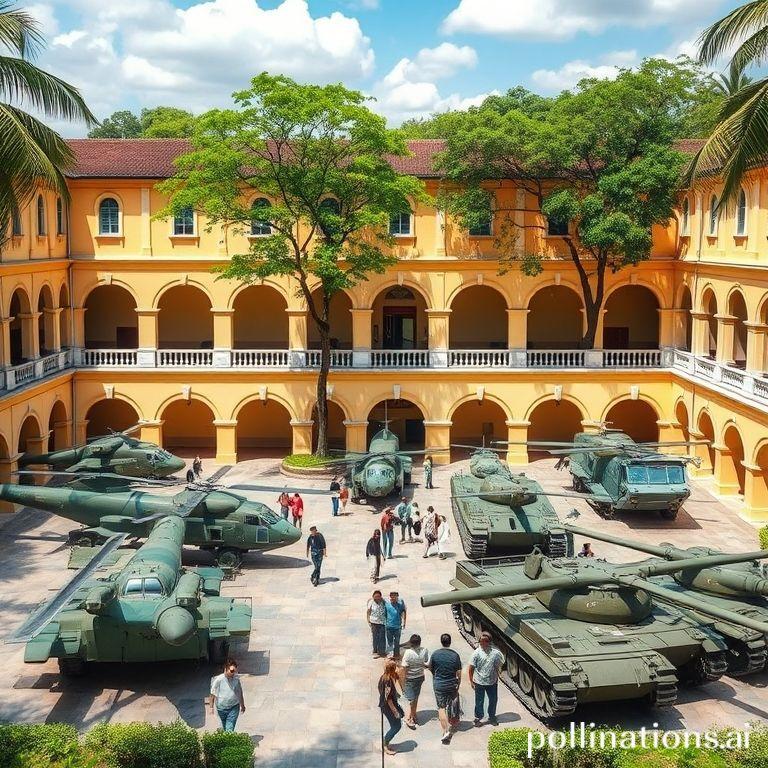
Found in District 3, the War Remnants Museum is one of Ho Chi Minh City’s most visited and moving spots. It first opened in 1975 and has grown into a full record of the Vietnam War from the Vietnamese point of view. Outside, military equipment like planes, tanks, and weapons catch your eye right away.
Inside, eight permanent exhibits fill several floors, each sharing a different part of the war’s story. The “Requiem” exhibit, made with American war photographers, shows striking photos taken by journalists who died in the conflict. As photographer Tim Page once said,
“These images are not just historical documents; they are windows into the human cost of war.”
The museum also shows the lasting impact of Agent Orange and other chemicals, with sad displays about birth defects and environmental harm that still touch Vietnamese families today.
Though the content can be heavy, it gives key background for understanding modern Vietnam. Many visitors say it changes them, helping them see the country’s toughness and ability to forgive. About a million people visit each year, and lots write in guest books about how the experience shifted their views on war and peace.
Ho Chi Minh City Museum of Fine Arts: Beauty in Building and Art
Housed in a stunning old building that belonged to a rich Chinese merchant, the Museum of Fine Arts holds one of Vietnam’s top art collections. The three-story yellow structure is itself a masterpiece, mixing French colonial style with Chinese details and Vietnamese skill. Built between 1929 and 1934, it has fancy iron balconies, colorful stained-glass windows, and a calm central courtyard away from the city noise.
The museum’s collection goes from ancient to modern art, with a strong focus on 20th-century Vietnamese works. The ground floor has old artifacts and sculpture, while upper floors feature paintings, sculptures, and lacquer works by famous artists. Key pieces include art by the “gang of four”—Nguyễn Gia Trí, Nguyễn Tư Nghiêm, Dương Bình Liên, and Nguyễn Sáng—who changed lacquer painting from a craft to fine art.
Modern Vietnamese art has become known worldwide lately, and the museum’s collection shows this trend. As art expert Nora Taylor says,
“Vietnamese contemporary art beautifully negotiates the space between tradition and innovation, often addressing social and political themes with subtle sophistication.”
The museum often holds temporary shows for new artists, keeping it fresh and connected to Vietnam’s art world.
History Museum of Ho Chi Minh City: Following Centuries of Culture
Set in the Botanical Gardens and Zoo area, the History Museum gives a full picture of Vietnamese history from ancient times to the 1945 revolution. The building, made in 1929, has classic Indochinese architecture with a curved roof and balanced design. The museum holds about 30,000 items, with strong collections from the Oc Eo culture and Cham sculpture.
The timeline display starts with old tools and pottery from dig sites across Vietnam. Especially impressive are the Dong Son drums, bronze items from over 2,000 years ago that show advanced metal skills and detailed designs. The museum’s Cham sculpture is one of the world’s best sets of this unique art style, with stone statues of gods and mythical beings that reveal the rich culture of the Champa kingdom.
As historian Keith W. Taylor writes in The Birth of Vietnam,
“Understanding Vietnam’s ancient civilizations is essential to comprehending its modern identity.”
The museum helps visitors make these links through well-organized displays that put artifacts into bigger historical stories. Special exhibits often focus on specific topics, like the Nguyen dynasty or Vietnam’s sea traditions.
Southern Women’s Museum: Honoring Women’s Impact
This museum focuses on women’s roles in Southern Vietnam’s history and growth, giving a special view of the region’s social fabric. Across three floors of exhibits, visitors learn about women in resistance movements, their help in economic development, and their care for cultural traditions. The collection includes traditional clothes, personal items, photos, and papers that make these stories real.
One touching part covers women’s roles during the Vietnam War, showing both fighters and those who helped with supplies, information, and medical care. The museum also cheers recent successes, featuring businesswomen, scientists, artists, and community leaders. As museum director Nguyen Thi Tham explains,
“We want visitors to understand that Vietnamese women have always been active participants in shaping our nation’s destiny, not passive observers.”
The museum’s learning programs include workshops on traditional crafts like ao dai making and embroidery, giving hands-on chances to connect with culture. Temporary exhibits often highlight themes like women in science or female leaders in community projects, keeping the museum current with talks about gender equality.
Museum of Traditional Vietnamese Medicine: Healing Through Time
This special museum explores Vietnam’s deep history of traditional medicine, called Thuốc Nam. Housed in a building made to look like an old herbal pharmacy, it has over 3,000 items related to healing practices from centuries ago. The collection includes ancient medical books, traditional checkup tools, herb-prep gear, and samples of medicinal plants.
Visitors can learn about the ideas behind traditional Vietnamese medicine, which blends Chinese influences with local knowledge. The exhibits explain concepts like yin and yang balance, the five elements theory, and checkup methods like pulse reading. As researcher Michele Thompson notes in her work on Vietnamese medicine,
“The persistence of traditional healing practices alongside modern medicine demonstrates the adaptive nature of Vietnamese healthcare systems.”
Interactive displays let visitors smell and name common healing herbs, and tours often show how traditional remedies were made. The museum also has a copied old pharmacy with wooden cabinets, clay jars, and classic scales, giving a real feel for historical healing ways.
AO Show and Water Puppetry: Culture in Motion
Though not typical museums, these performances are like living keepers of Vietnamese culture that add to the still exhibits in regular museums. The AO Show, at the Saigon Opera House, mixes modern circus arts with traditional Vietnamese themes, music, and props. Using bamboo baskets, fishing nets, and everyday items, the artists create eye-catching scenes that call up rural life and cultural habits.
Water puppetry, called Múa rối nước, is one of Vietnam’s most unique art forms, starting in the 11th century in the Red River Delta. Shows at the Golden Dragon Water Puppet Theater have bright wooden puppets that seem to dance on water, with traditional music and stories. The art began in flooded rice fields, where villagers used the water’s surface to hide puppet controls while making magical effects.
As culture expert Nguyen Huy Hong says,
“These performance arts serve as dynamic museums, preserving intangible cultural heritage through living practice rather than static display.”
Both the AO Show and water puppetry have won global notice, performing worldwide and introducing international crowds to Vietnamese artistic traditions.
Planning Your Museum Trip in Ho Chi Minh City
To enjoy your museum visits in Ho Chi Minh City, think about these tips. Most museums are open Tuesday to Sunday, usually from 8:00 AM to 5:00 PM. Entry fees are fair, from 30,000 to 40,000 VND for Vietnamese and 40,000 to 60,000 VND for foreigners. Many museums offer guided tours in different languages, and audio guides are becoming more common.
The War Remnants Museum is busiest in mornings, so afternoons might be calmer. The Museum of Fine Arts gets crowded on weekends when local families come, while weekdays are quieter. Pairing museum trips with nearby sights can make great plans—for example, the History Museum fits well with the Botanical Gardens, and the War Remnants Museum is close to other District 3 spots.
Remember that museum manners in Vietnam stress respect and quiet thought. Photos are usually okay, but flash is often banned to protect fragile items. Dressing modestly shows respect for these places, especially at sites with sensitive history.
Ho Chi Minh City’s museums give unmatched chances to learn about Vietnam’s complex past, rich art traditions, and lively modern culture. Each one offers unique views that together build a full picture of this fascinating country. From the serious lessons of the War Remnants Museum to the beauty of the Fine Arts Museum, these cultural gems ask visitors to see beyond the surface and connect deeply with Vietnam’s spirit.
At Journey Vietnam, we love helping travelers find the real stories and cultural depth that make Vietnam unique. Our YouTube channel has virtual tours of these museums and other hidden spots across the country. Visit journeyvietnam.top for detailed travel guides and subscribe to our channel at @JourneyVietnam for regular updates from this beautiful land. Whether you’re planning a trip or exploring from home, join us in discovering the many layers of Vietnam’s cultural history.