
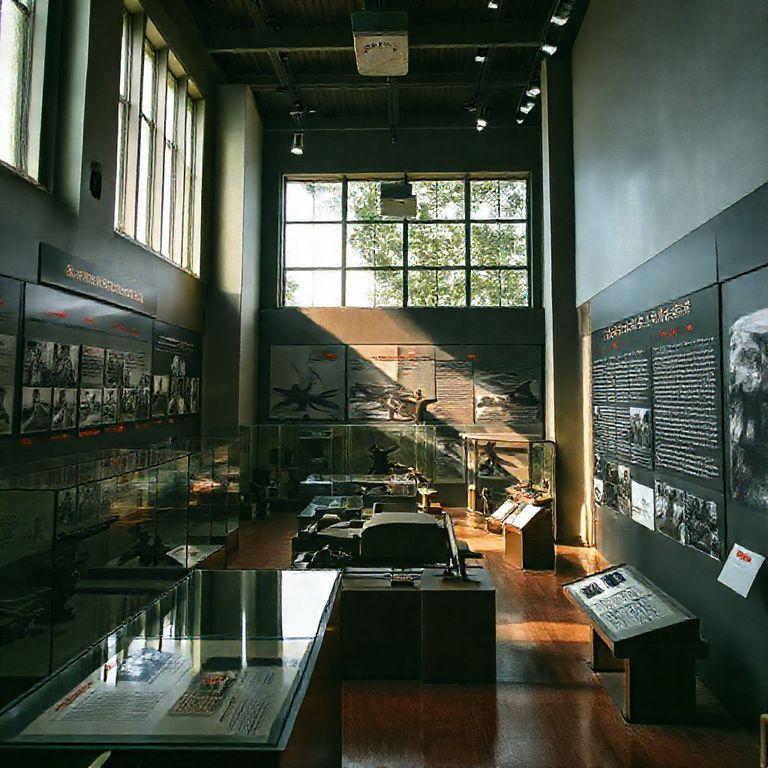
Ho Chi Minh City is like a giant, living history book that tells the story of Vietnam. While it’s famous for busy streets and tasty food, its museums are like treasure chests full of stories about the country’s past, art, and culture. For visitors who want to truly understand this lively city, exploring these museums is like taking a journey through time.
From the hard truths of war to the beautiful world of traditional art, Ho Chi Minh City’s museums show different sides of Vietnam’s journey. These places are like memory keepers, protecting important stories while teaching visitors about how the country has changed over hundreds of years. Each museum is like a different chapter in a great book, helping us understand what makes Vietnam and its people so special.
Understanding War Through Powerful Stories
The War Remnants Museum in District 3 is like a powerful teacher that shows the real face of war. First opened in 1975, this museum tells the story of the Vietnam War from the Vietnamese perspective. The collection includes military equipment, photographs, and personal stories that give visitors a raw, honest look at how war affects people.
The outdoor area immediately catches your attention with displays of military machines like helicopters, tanks, and airplanes. These giant metal birds and beasts create a strong contrast with the peaceful surroundings, reminding visitors of the destruction they once caused. Inside, the museum’s rooms are organized by theme, covering topics like chemical weapons, international peace movements, and the lasting effects of conflict.
One of the most touching sections features photographs by war journalists from different countries who died while covering the conflict. As historian Dr. Nguyen Van Huy noted:
These images serve as silent witnesses to the brutality of war and the courage of those who documented it, ensuring that future generations never forget the human cost of conflict.
The Agent Orange exhibition is particularly difficult to see, showing how chemical warfare affected families across generations through photographs and personal accounts.
Visitors should be ready for an emotional experience that makes you think deeply about peace and war. The museum doesn’t hide from difficult truths, making it an essential but intense stop for understanding modern Vietnam. Many visitors leave with a greater appreciation for peace and a deeper respect for the strength of the Vietnamese spirit.
Exploring Vietnam’s Artistic Heart
The Ho Chi Minh City Museum of Fine Arts is like a palace filled with artistic treasures. Housed in a beautiful old building that once belonged to a wealthy Chinese businessman, the museum’s architecture alone makes it worth visiting. With its yellow walls, fancy balconies, and mix of French and Chinese design, the building itself is a work of art. Spread across three floors, the museum’s collection takes you on a journey from ancient times to modern day, showing how Vietnamese art has evolved.
The ground floor features ancient artifacts and archaeological finds, including pieces from the Oc Eo civilization that date back to the 1st century. These objects show the sophisticated artistic traditions that existed long before modern Vietnam. The second floor showcases traditional Vietnamese art forms, with amazing examples of lacquer painting, silk painting, and woodblock prints that demonstrate the incredible skill of Vietnamese artists.
Contemporary art fills the third floor, where visitors can see how modern Vietnamese artists are using their cultural heritage in new ways. The museum’s collection includes works by famous artists like Nguyen Gia Tri, whose lacquer paintings are considered national treasures. As art critic Le Thi Bich Phuong observes:
The museum successfully bridges Vietnam’s rich artistic past with its dynamic present, showing how traditional techniques continue to inspire contemporary creators.
Special exhibitions change regularly, featuring both established and new artists from Vietnam and other countries. The museum also offers educational programs and workshops, making it a living center of artistic activity rather than just a place that stores old objects. For art lovers, this museum provides a wonderful opportunity to understand Vietnam’s visual culture and how tradition and innovation work together.
Discovering Ancient Roots
The History Museum of Ho Chi Minh City, located within the peaceful Botanical Gardens and Zoo, takes visitors on a journey through Vietnam’s ancient civilizations and cultural development. The museum’s architecture, which blends French colonial and traditional Vietnamese styles, creates the perfect setting for exploring the country’s layered history. Founded in 1929, it’s one of Vietnam’s oldest museums, with collections that cover everything from prehistoric times to the Nguyen Dynasty (1802-1945).
The museum’s exhibits are organized by time period, starting with artifacts from the Dong Son culture, known for its sophisticated bronze drums that show advanced metalworking skills. These ancient objects reveal the early development of Vietnamese civilization and its connections to other Southeast Asian cultures. The Cham sculpture collection is particularly impressive, featuring graceful stone carvings that once decorated temples of the Champa Kingdom, which flourished in central Vietnam from the 2nd to 15th centuries.
One of the museum’s highlights is its collection of Oc Eo artifacts, which provide evidence of the Funan Kingdom’s extensive trade networks connecting Vietnam with India, China, and the Mediterranean. These findings show that Vietnam has always been connected to wider cultural networks. As archaeologist Professor Tran Quoc Vuong noted:
The artifacts at the History Museum tell a story of continuous cultural exchange and adaptation, showing how Vietnam has always been connected to wider Asian and global networks.
The museum also features exhibits on ethnic minority cultures, showcasing Vietnam’s diversity through traditional costumes, tools, and religious objects. This section emphasizes that Vietnamese history includes many different communities, each with unique traditions that contribute to the nation’s rich cultural tapestry. For visitors interested in understanding Vietnam’s deep historical roots, this museum provides essential context and fascinating artifacts.
Celebrating Women’s Strength
The Southern Women’s Museum offers a special perspective on Vietnamese history by focusing on the contributions and experiences of women, particularly in Southern Vietnam. Through three floors of exhibits, the museum shows how women have shaped society during both peaceful times and conflicts, highlighting their roles in family life, economic production, and national struggles. The museum successfully combines historical facts with personal stories, creating an engaging experience that celebrates female strength and resilience.
The first floor introduces visitors to traditional aspects of women’s lives, including marriage customs, family roles, and economic activities like silk production and farming. Beautifully displayed traditional ao dai dresses and wedding costumes show the artistic skill of Vietnamese textile arts while illustrating women’s central role in preserving cultural traditions. Interactive displays allow visitors to learn about traditional crafts that have been passed down through generations of women.
Upstairs, the museum focuses on women’s participation in Vietnam’s various resistance movements, from anti-colonial struggles to the Vietnam War. Exhibits feature photographs, personal belongings, and written accounts of female soldiers, intelligence agents, and political leaders who played important roles in the nation’s history. These stories reveal how women often worked in multiple roles—as fighters, caregivers, and community organizers—showing remarkable adaptability and courage.
Contemporary exhibitions on the third floor highlight the ongoing achievements of Southern Vietnamese women in fields like science, business, arts, and politics. As museum director Nguyen Thi Tham explains:
We want visitors to understand that Vietnamese women’s contributions extend far beyond the battlefield—they are innovators, creators, and leaders shaping modern Vietnam in countless ways.
The museum also hosts temporary exhibitions, cultural events, and educational programs that continue its mission of celebrating and empowering women.
Healing Traditions Through Time
The Museum of Traditional Vietnamese Medicine (FITO Museum), located in a beautifully restored traditional house in District 10, offers a fascinating look at the history and practice of Vietnam’s indigenous healing traditions. Founded by pharmacist Le Khac Tam, who spent decades collecting artifacts related to traditional medicine, the museum presents over 3,000 items that trace the development of Vietnamese medical practices from the Bronze Age to today.
The museum’s architecture is itself noteworthy, designed in the style of a Northern Vietnamese traditional house with detailed wood carvings and multiple courtyards. This setting creates a peaceful atmosphere perfect for exploring healing traditions. Exhibits include ancient medical texts, traditional diagnostic tools, pharmaceutical equipment, and an impressive collection of medicinal jars and bottles from different historical periods.
One of the museum’s most valuable possessions is a collection of Nguyen Dynasty medical texts, including handwritten prescriptions and treatment manuals that show the sophisticated theoretical framework of traditional Vietnamese medicine. These documents demonstrate how Vietnamese healers combined influences from Chinese medicine while developing their own approaches based on local plants and conditions. The museum also features a recreated traditional pharmacy, complete with wooden cabinets, weighing scales, and preparation tools that herbalists would have used.
Interactive elements include opportunities to learn about common medicinal herbs and their uses, with many plants grown in the museum’s garden. Visitors can also watch demonstrations of traditional medicine preparation techniques. As historian of medicine Dr. Pham Dinh Hai notes:
Traditional Vietnamese medicine represents a vast repository of knowledge about local ecosystems and human health, developed through centuries of observation and practice.
This museum provides a unique perspective on Vietnamese culture by focusing on the relationship between people, plants, and healing.
The Story of Saigon’s Transformation
Housed in the magnificent Gia Long Palace, a French colonial building completed in 1886, the Ho Chi Minh City Museum tells the story of Saigon’s transformation into modern Ho Chi Minh City. The building itself has witnessed much of this history, having served as the home of the Cochinchina governor, a Japanese headquarters during World War II, and the office of the Republic of Vietnam’s president before becoming a museum in 1978.
The museum’s exhibits cover the city’s development from its early days as a Khmer settlement through its growth as a major trading port, colonial capital, and modern city. Thematic sections explore different aspects of urban life, including business, education, culture, and architecture. Particularly interesting are exhibits on the city’s diverse communities—Vietnamese, Chinese, Khmer, and European—and how their interactions shaped Saigon’s unique character.
A significant part of the museum focuses on the city’s role in Vietnam’s struggle for independence, with exhibits on anti-colonial movements, the Vietnam War, and the eventual reunification of the country. Photographs, documents, and objects from these periods help visitors understand how global conflicts affected the streets and neighborhoods of Saigon. The museum also features exhibits on contemporary Ho Chi Minh City, highlighting its economic development, cultural vitality, and ongoing urban challenges.
The building’s architecture and former use as a political headquarters add meaning to the museum experience. Visitors can see the basement bunker where President Ngo Dinh Diem hid during the 1963 coup that ended his government, connecting the physical space with historical events. As urban historian Dr. Tran Hong Van observes:
This museum does more than display objects—it allows visitors to stand in the very rooms where history was made, creating a powerful connection between past and present.
Living Cultural Experiences
While not traditional museums, the AO Show at the Saigon Opera House and water puppet performances at the Golden Dragon Water Puppet Theater offer living museum experiences that preserve and present Vietnamese cultural traditions in dynamic, engaging ways. These performances bring to life artistic practices that might otherwise be shown only in static exhibits, allowing audiences to experience Vietnam’s cultural heritage as living, evolving traditions.
The AO Show, created by the acclaimed Lune Production, combines contemporary circus arts with traditional Vietnamese music, dance, and bamboo props to tell stories about rural and urban life. Performers use their bodies and simple tools to create mesmerizing visual poetry that reflects on Vietnam’s rapid modernization while honoring its agricultural roots. The show has received international praise for its creative approach to cultural presentation, successfully making traditional elements accessible and exciting for modern audiences.
Water puppetry, or múa rối nước, represents one of Vietnam’s most unique art forms, dating back to the 11th century in the Red River Delta. Performances at the Golden Dragon Theater feature skilled puppeteers standing waist-deep in water, controlling lacquered wooden puppets to act out scenes from rural life, historical legends, and folk tales. The combination of puppetry, traditional music, water effects, and fire creates a magical experience that has delighted audiences for centuries.
These performance-based cultural experiences complement the city’s museums by showing how traditional arts continue to evolve and thrive. As cultural researcher Nguyen Thi Minh Chau explains:
Living cultural presentations like the AO Show and water puppetry bridge the gap between preservation and innovation, showing that tradition isn’t something frozen in time but a dynamic force that continues to inspire new creations.
For visitors seeking to understand Vietnamese culture beyond artifacts and documents, these performances provide emotional and sensory connections that deepen appreciation for the country’s artistic heritage.
Making the Most of Your Visit
To get the most from your museum explorations in Ho Chi Minh City, good planning can improve your experience and help you navigate the city’s cultural offerings efficiently. Most museums are located in Districts 1 and 3, making it possible to visit multiple places in a single day if you plan your route carefully. The War Remnants Museum, History Museum, and Museum of Fine Arts are within walking distance of each other, while others may require short taxi or ride-share trips.
Consider these tips for your visit:
- Check museum websites for current opening hours
- Look for combination tickets where available
- Take advantage of student, senior, and children discounts
- Visit early in the morning to avoid crowds
- Consider guided tours for deeper understanding
- Balance emotional museums with lighter activities
When visiting emotionally intense museums like the War Remnants Museum, schedule lighter activities afterward to process your experience. The nearby Reunification Palace and peaceful Tao Dan Park offer contrasting environments that can provide balance to a day of museum exploration. For art-focused visits, combine the Fine Arts Museum with gallery visits in District 1, where contemporary art spaces showcase the work of emerging Vietnamese artists.
Remember that museums in Vietnam often have different presentation styles than those in Western countries, with less interactive technology and more emphasis on objects and documentation. Approach each museum with an open mind, and don’t hesitate to ask staff questions—they’re often knowledgeable and happy to share insights. As travel expert and Journey Vietnam contributor Mark Johnson advises:
The best museum visits in Ho Chi Minh City happen when you allow time for reflection between locations, giving yourself space to absorb the powerful stories these institutions preserve.
Final Thoughts
Exploring Ho Chi Minh City’s museums offers deep insights into Vietnam’s soul, from its difficult historical struggles to its amazing artistic achievements. Each institution provides a different piece of the complex puzzle that is Vietnamese culture and history, together creating a complete picture of resilience, creativity, and enduring spirit. The War Remnants Museum shows visitors hard truths about conflict and its consequences, while the Fine Arts Museum celebrates the beauty that humans can create even in challenging circumstances.
The History Museum connects modern Vietnam to its ancient civilizations, showing cultural continuity across thousands of years, while specialized museums like the Southern Women’s Museum and Museum of Traditional Vietnamese Medicine highlight specific aspects of Vietnamese society that have shaped the nation’s character. Performance-based cultural experiences like the AO Show and water puppetry remind us that tradition lives not just in objects but in ongoing artistic practices that continue to evolve.
Together, these cultural institutions tell the story of a people who have faced tremendous challenges with remarkable strength, while continually creating beauty and seeking knowledge. They reveal Vietnam as a country of deep historical layers, diverse influences, and unwavering spirit. For travelers, these museums transform a visit to Ho Chi Minh City from a simple tourist experience into a meaningful engagement with a nation’s memory and identity.
At Journey Vietnam, we believe that understanding a country’s cultural institutions is essential to truly appreciating its people and places. Our YouTube channel and website feature detailed explorations of Vietnam’s museums, along with many other aspects of this fascinating country. We invite you to continue your journey of discovery with us at journeyvietnam.top and our YouTube channel @JourneyVietnam, where we share the stories, beauty, and wisdom of Vietnam through carefully crafted content that honors this remarkable nation and its people.