Welcome to the ancient royal city of Hue, where every meal is like a history book telling stories of kings, queens, and hundreds of years of cooking mastery. Located along the Perfume River in central Vietnam, Hue’s food represents one of Vietnam’s most elegant and historically rich food cultures. These royal dishes were once only for the Nguyen Dynasty rulers, but they slowly made their way to become beloved street food treasures that continue to amaze food lovers everywhere.
In this complete guide, we’ll explore the famous flavors that define Hue’s food scene—from the spicy complexity of bun bo Hue to the careful craftsmanship of banh khoai and the royal feast traditions that turned Vietnamese cooking into an art form. Whether you’re planning to visit central Vietnam or want to bring these flavors to your own kitchen, this journey through Hue’s food world will take your taste buds straight to the heart of Vietnam’s royal past.
The Royal History of Hue Food
Hue’s food identity is tightly connected to its 143-year rule as Vietnam’s royal capital under the Nguyen Dynasty. The royal palace hired hundreds of cooks who perfected cooking methods and presentation standards that became the foundation of Hue’s food reputation. What started as fancy multi-course meals for royalty eventually reached common people, creating a special food culture where royal elegance meets everyday availability.
Royal cooking focused on balance, refinement, and visual beauty. Each dish was made to appeal to all five senses, with special attention to color harmony, texture differences, and complex aromas. The royal cooks developed detailed preparation methods that often used multiple cooking techniques for single ingredients. This commitment to perfection created dishes that weren’t just filling but truly amazing food experiences.
Today, this royal history continues in Hue’s lively food scene. As food expert Nguyen Nhat explains:
“Hue food represents the highest point of Vietnamese cooking art—it’s where skill meets poetry, where every ingredient has a purpose beyond just feeding people.”
The city’s food markets, street stands, and family restaurants continue to honor these traditions while adjusting to modern tastes.
Bun Bo Hue: The Heart of Central Vietnam
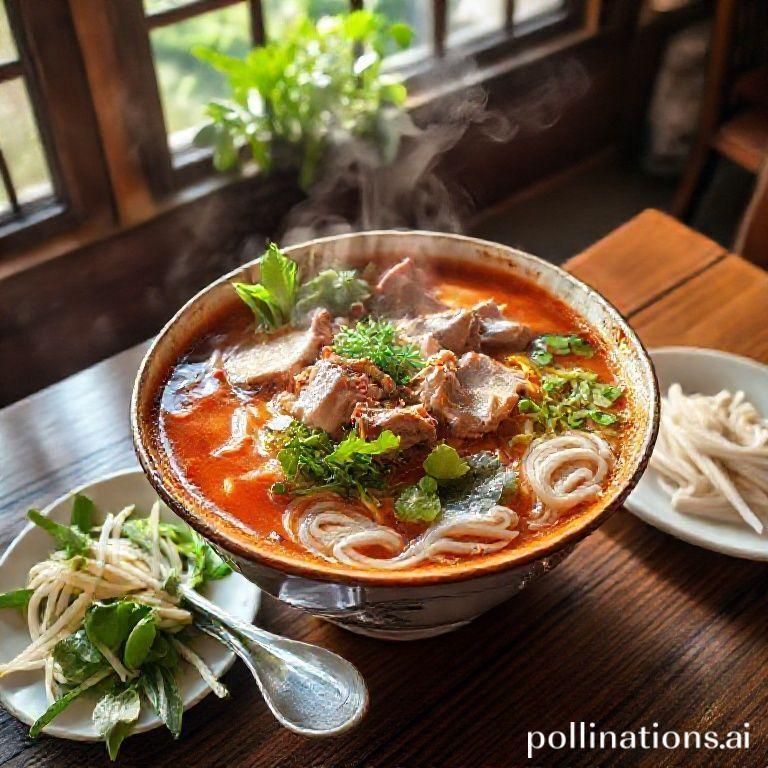
No talk about Hue food would be complete without honoring bun bo Hue, the city’s most famous food export. This strong beef noodle soup stands in delicious contrast to the more delicate pho of northern Vietnam. What makes bun bo Hue special is its complex, multi-layered broth that achieves a perfect balance of spicy, sweet, salty, and rich flavors.
The broth starts with beef bones cooked for hours, then improved with lemongrass, shrimp paste, and annatto oil that gives the soup its special reddish color. The heat comes from fresh chilies and chili oil, while the depth comes from fermented shrimp paste—a signature ingredient that sets it apart from other Vietnamese soups. The noodles are thicker and rounder than pho noodles, providing a heartier texture that matches the strong broth.
Traditional bun bo Hue includes sliced beef, pork knuckles, and cubes of congealed pig blood, though newer versions often leave out the latter for wider appeal. The dish is always served with a plate of fresh herbs—mint, perilla, banana blossom, and bean sprouts—that eaters can add as they prefer. As local cook Madame Tran Thi Dao notes:
“A perfect bowl of bun bo Hue should make you sweat slightly from the spice while leaving you wanting another spoonful. It’s a dance of flavors that captures the passionate spirit of Hue people.”
Banh Khoai: Hue’s Golden Pancake
Often called Hue’s version of the Vietnamese pancake, banh khoai is a crispy, golden crepe that shows the city’s love for texture contrasts and complex fillings. The name “khoai” means “pleasure” or “delight,” and this dish definitely lives up to its name. What makes banh khoai different from similar pancakes found elsewhere in Vietnam is its smaller size, thicker batter, and special cooking method that results in an extra crispy outside.
The batter is made from rice flour, turmeric (for color), and coconut milk, creating a rich base that becomes beautifully crispy in a special small pan. The filling usually includes shrimp, pork, bean sprouts, and sometimes mushrooms or other vegetables. The magic happens when the pancake is folded in half, creating a pocket of steaming hot fillings wrapped in a shatteringly crisp shell.
Banh khoai is always served with a unique peanut-based dipping sauce that includes liver pâté, minced pork, and garlic. The combination of the crispy pancake dipped in the rich, savory sauce creates an unforgettable taste experience. As third-generation banh khoai seller Nguyen Van Hung explains:
“The secret to perfect banh khoai is in the batter consistency and the heat control. Too hot and it burns; too cool and it becomes soggy. It takes years to master the rhythm.”
Royal Feast Traditions
At the height of the Nguyen Dynasty, royal feasts represented the ultimate expression of Hue’s cooking sophistication. These elaborate meals could include up to 50 dishes, each carefully prepared and beautifully presented. The philosophy behind royal cooking was that food should feed not just the body but also the spirit, with each dish designed to create harmony between the five elements and balance between opposing forces.
Royal dishes were known for their small portions, detailed carving, and symbolic meanings. Vegetables might be carved into dragon or phoenix shapes, while colors were carefully chosen to represent different seasons or lucky meanings. Presentation was as important as taste, with dishes arranged to create visual poetry on the plate. Common ingredients included lotus seeds, bamboo shoots, mushrooms, and various river fish from the Perfume River.
Some royal dishes that remain popular today include com hen (clam rice), a simple dish raised to royal status through careful preparation, and banh beo (steamed rice cakes), tiny individual portions that show the royal preference for personalized servings. Food expert Dr. Le Thi Minh observes:
“Royal cooking wasn’t about quantity—it was about perfection in small portions. Each small dish contained multiple layers of flavor and technique.”
Street Food Culture in Modern Hue
While royal traditions form the foundation of Hue’s food identity, it’s the lively street food scene that brings these flavors to life for locals and visitors alike. Hue’s compact size makes it perfect for food exploration on foot, with food stands and markets around every corner. The city comes alive in the early morning as sellers set up their stands and the smells of simmering broths and grilling meats begin to fill the air.
Dong Ba Market serves as the center of Hue’s food culture, with sellers offering everything from fresh ingredients to ready-to-eat specialties. Here you can sample nem lui (lemongrass skewers), banh bot loc (clear shrimp and pork dumplings), and various types of Hue-style sweets. The evening food streets along the Perfume River transform into busy open-air restaurants where families and friends gather to enjoy the city’s cooking treasures.
What makes Hue’s street food particularly special is the preservation of traditional methods despite modernization. Many sellers still use family recipes passed down through generations and maintain the same preparation techniques their ancestors used. As street food lover and writer Linh Nguyen notes:
“In Hue, you’re not just eating food—you’re tasting history with every bite. The connection between past and present is strong in every bowl and every bite.”
Seasonal and Festival Specialties
Hue’s cooking calendar revolves around seasons and festivals, with specific dishes marking important occasions throughout the year. The city’s location in central Vietnam gives it clear seasonal changes that influence ingredient availability and cooking styles. Spring brings tender bamboo shoots and various wild greens, while summer offers plenty of tropical fruits that find their way into both savory dishes and desserts.
During Tet (Lunar New Year), families prepare banh tet (cylindrical sticky rice cake) and mut (candied fruits)—traditional offerings that represent prosperity and family unity. The Mid-Autumn Festival features detailed mooncakes and colorful lantern-shaped cookies. Even ordinary days have their cooking rhythms, with certain dishes considered essential for specific meals or times of day.
Seasonal specialties highlight Hue cooks’ ability to work with nature’s gifts. In the rainy season, various mushroom varieties appear in soups and stir-fries. The winter months see heartier dishes with more meat and warming spices. This connection to the natural calendar reflects the philosophical foundations of Hue cooking, which has always emphasized harmony with the environment.
Cooking Methods and Flavor Rules
The special character of Hue cooking comes from specific cooking methods and flavor principles that have been improved over centuries. Unlike other regional Vietnamese foods that might emphasize simplicity or freshness, Hue cooking embraces complexity and layers of flavor. The basic principle is the balance of five taste elements: spicy, sour, bitter, salty, and sweet.
Key techniques include slow-simmering broths to pull out maximum flavor, careful marinating to soften and flavor ingredients, and precise steaming to protect delicate textures. Hue cooks are masters of fermentation, using various fermented shrimp and fish pastes to add depth to their dishes. They also excel at texture contrasts—combining crispy, chewy, soft, and crunchy elements in single dishes.
The use of herbs and aromatic plants is particularly advanced in Hue cooking. While northern Vietnamese food might use herbs mainly as decoration, and southern cooking uses them for freshness, Hue cooking integrates herbs into the cooking process itself. Lemongrass, lime leaves, and various mints are often simmered into broths or ground into marinades, becoming basic to the dish’s flavor rather than optional additions.
Bringing Hue Flavors Home
For those inspired to recreate Hue’s royal flavors in their own kitchens, several key ingredients and techniques can help capture the heart of this remarkable cooking. Start by finding quality rice flour for noodles and pancakes, fresh lemongrass, and authentic Vietnamese shrimp paste. While some ingredients might require a trip to an Asian grocery, many Hue dishes can be adapted using more easily available substitutes.
When making bun bo Hue at home, don’t hurry the broth—the slow simmering is essential for developing depth of flavor. For banh khoai, achieving the right crispness requires a well-used pan and careful temperature control. Many Hue dishes involve multiple parts that need to be prepared separately before putting together, so organization and timing are crucial.
Beyond specific recipes, embracing the philosophical approach to Hue cooking can improve your results. Consider balance in every dish—if something is spicy, include cooling elements; if something is rich, add something fresh and light. Pay attention to colors and textures, and don’t be afraid to adjust seasonings to achieve the harmonious blend that defines Hue cooking.
Our journey through Hue’s cooking world reveals a food culture of remarkable depth and sophistication. From the royal kitchens of the Nguyen Dynasty to the busy street stands of modern Hue, these flavors tell the story of a city that has raised eating to an art form. The spicy complexity of bun bo Hue, the crispy delight of banh khoai, and the refined elegance of royal dishes all contribute to a cooking identity that is uniquely Hue.
What makes Hue cooking so lasting is its ability to balance tradition with innovation, sophistication with accessibility. These are dishes that honor their royal beginnings while remaining deeply connected to everyday life. Each bite connects us to generations of cooks who have perfected these recipes and the cultural history they represent.
We hope this guide has inspired you to explore Hue’s magnificent food culture, whether through travel or your own kitchen experiments. For more complete journeys through Vietnam’s cooking landscapes, we invite you to visit Journey Vietnam and subscribe to our YouTube channel, where we bring Vietnam’s food stories to life through beautiful visuals and authentic experiences. The royal city’s flavors await your discovery.