
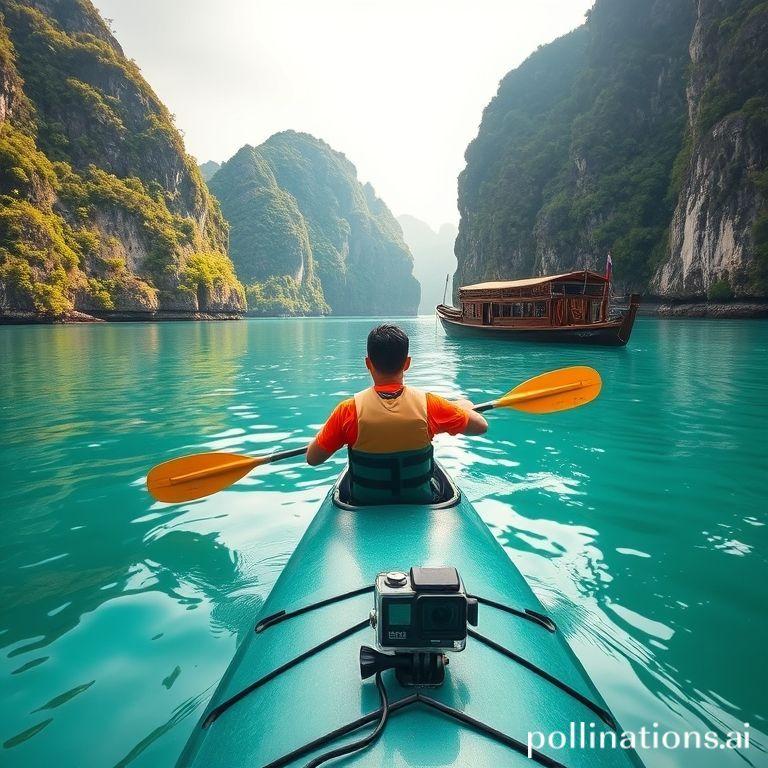
Picture yourself moving smoothly across green waters, with tall limestone mountains standing like ancient guards all around you. The soft sound of your paddle hitting the water bounces off hidden caves and secret pools as you discover one of Vietnam’s most amazing natural places. Kayaking in Halong Bay is more than just something to do—it’s like stepping into a magical world that changes how you see things.
As professional travel writers at Journey Vietnam, we’ve searched every part of this wonderful bay to create the best guide for kayaking trips. We’ll show you where to find kayaks, the most beautiful paths to follow, and how to stay safe while enjoying this delicate environment. Whether you’ve kayaked before or this is your first time, this guide will help you make memories that will stick with you.
In this complete guide, we’ll explain everything about kayaking in Halong Bay: where to get good equipment, the most stunning routes that show the bay’s different beauties, important safety advice, and special tips that will make your trip amazing. We’ll also share how you can find more Vietnam travel adventures through Journey Vietnam’s website and YouTube channel.
Finding Kayaks in Halong Bay
Choosing where to rent your kayak can make your adventure great or not so great. The bay has different choices depending on how you like to travel. Most cruise boats include kayaking in their trips, giving you good equipment and guides. If you’re staying on Cat Ba Island or in Halong City, you can find shops that rent kayaks for longer exploration.
For cruise kayaking, companies like Bhaya Cruises, Indochina Junk, and Paradise Cruises offer comfortable kayaks that work well for Halong Bay’s calm waters. These usually come with life jackets, waterproof bags, and basic instructions. As one traveler in our Journey Vietnam community said:
Having kayaks right on our cruise made it easy to paddle at sunrise—watching the sun come up over the mountains from our kayak was absolutely wonderful.
If you rent from shops near Cat Ba Island’s Ben Beo Harbor or Halong City’s Bai Chay area, prices range from 100,000 to 200,000 VND per day. Look for shops that take care of their equipment and ask about their safety rules. Always check the kayak for damage, make sure the paddle is whole, and confirm that life jackets are in good shape before you start.
Journey Vietnam’s YouTube channel shows detailed reviews of rental services with video of equipment quality. Our website also connects travelers with trusted rental providers who meet our safety standards.
Best Kayaking Paths and Secret Spots
Halong Bay’s 1,600 limestone islands create a maze of kayaking options, but some routes are especially beautiful and easy to reach. The most popular area for kayaking is around Cong Do and Cong Dam, where peaceful waters and amazing views give you the perfect introduction to the bay’s magic.
The Luon Cave route offers one of Halong Bay’s most famous kayaking experiences. Paddling through the low cave opening reveals a hidden pool surrounded by tall cliffs, where you might see monkeys in trees or eagles flying above. This protected area usually has little current, making it good for beginners. Try to go early morning or late afternoon to avoid crowds.
For more experienced paddlers, the Three Peaches area has three small beaches tucked between dramatic mountains, reachable only by kayak or small boat. This paddle takes you through narrow passages and past fishing villages, showing you local life. As we recorded in our Journey Vietnam trip:
Kayaking to Three Peaches felt like finding a secret world—every turn showed new views of the mountains, and the private beaches were perfect for swimming breaks.
Dark and Bright Cave presents another amazing route, mixing cave discovery with open-water paddling. The dark cave part needs headlamps as you move through tight passages, then you come out into the bright cave’s sunlit pool—a striking difference that shows Halong Bay’s varied rock features.
Staying Safe While Kayaking
Although Halong Bay’s waters are usually calm, following safety rules keeps your kayaking fun and problem-free. Always wear your life jacket, even if you swim well—unexpected weather or boat waves can create difficult conditions. Check weather reports before leaving, since storms can form quickly in the bay.
Stay in marked kayaking areas and keep distance from bigger boats. Cruise ships and fishing boats might not spot kayakers easily, so wearing bright clothes and staying in groups helps you be seen. Bring a waterproof whistle, and make sure someone knows where you’re going and when you’ll return.
Tide changes in Halong Bay can affect cave access and water movement. Check tide charts available at rental shops or from your cruise operator. During our Journey Vietnam safety research, we learned that:
Knowing about tides stopped us from getting stuck in caves when water rose—an important detail that many first-time kayakers forget.
Pack necessary items in waterproof bags: sunscreen, drinking water, snacks, and a charged phone in a waterproof case. Getting dehydrated or too much sun are real risks, even on cloudy days. Consider kayaking early morning or late afternoon to avoid strong sun and enjoy the bay’s best light.
When to Go Kayaking
Choosing when to kayak in Halong Bay can really change your experience. The bay has clear seasons, each offering different benefits for paddlers. Knowing these patterns helps you pick the best time for your preferred kayaking conditions.
Spring (March to May) brings mild weather, calm seas, and comfortable air—perfect for longer kayaking trips. Water clarity improves during this time, letting you see marine life below your kayak. This is also when the bay’s famous floating fishing villages are busiest, giving you cultural insights along with nature exploration.
Autumn (September to November) offers similar benefits with the extra bonus of impressive cloud shapes that create beautiful sunrise and sunset paddling moments. As we captured in our Journey Vietnam autumn trip:
Paddling through the golden light of an October sunset, with the mountains outlined against colorful skies, was one of the most visually amazing experiences of our Vietnam travels.
Summer months (June to August) bring warmer water temperatures good for mixing kayaking with swimming, but also higher humidity and occasional rain. Winter (December to February) can be cool and foggy, creating mysterious feelings but requiring warmer clothes and shorter paddling times.
Caring for the Environment
As guests in this delicate UNESCO World Heritage site, kayakers must work to reduce their environmental effect. Halong Bay faces serious problems from pollution and too many visitors, making eco-friendly habits essential for keeping its beauty for future generations.
Follow the “leave no trace” rule—take all trash with you, including food scraps that can harm the local environment. Avoid single-use plastics by bringing reusable water bottles and containers. Many rental services now offer earth-friendly options, supporting Halong Bay’s protection efforts.
Respect sea life by keeping distance from animals and avoiding areas with nesting birds or sensitive coral. Use reef-safe sunscreen to prevent chemicals from getting in the water. When exploring caves, don’t touch formations or bother bat groups.
Choose companies that show environmental care through waste handling and conservation projects. Journey Vietnam works with several eco-friendly cruise companies and rental services that help protect the bay—find their information on our platform to make smart choices that support responsible tourism.
Recording Your Kayaking Trip
Documenting your Halong Bay kayaking experience lets you remember the magic long after you’ve gone home. With the bay’s dramatic scenery, every paddle movement offers photo chances, but taking pictures from a kayak needs special methods and equipment.
Waterproof cameras or phone cases are necessary for kayaking photography. Action cameras like GoPros attached to your kayak or helmet provide steady video of your journey. For photos, think about a small waterproof camera you can grab quickly when amazing scenes appear.
Timing your photography sessions with the golden hours—right after sunrise and before sunset—makes the bay’s natural drama stronger. The low light shows the texture of limestone mountains and creates stunning reflections on the water’s surface. As we showed in our Journey Vietnam photography guide:
The play of light and shadow during early morning paddles changes ordinary scenes into special compositions, with mist rising between the mountains adding moody depth.
Photo techniques specific to kayaking include using your paddle as a guide line, catching reflections in calm waters, and framing mountains through cave openings. Remember to sometimes put the camera away and just enjoy the moment—some experiences are better felt than photographed.
Mixing Kayaking with Other Activities
Kayaking combines nicely with other Halong Bay experiences, creating full adventure days that show the bay’s different attractions. Many cruise plans carefully mix activities to provide complete exploration while fitting various fitness levels and interests.
Morning kayaking sessions work well with afternoon visits to floating villages like Cua Van or Vung Vieng, where you can learn about traditional fishing lives. The difference between self-powered discovery and cultural learning creates a rich, many-sided experience of Halong Bay beyond the famous views.
For active travelers, combining kayaking with hiking on Cat Ba Island’s national park trails or climbing routes on Dau Be Island offers full-day adventures. The variety of activities prevents muscle tiredness while letting you experience the bay from different viewpoints—from water level to mountain tops.
Evening squid fishing from your cruise boat gives a relaxing addition to daytime paddling, while cooking classes focusing on seafood dishes connect your activities to Vietnam’s famous food traditions. Journey Vietnam’s planned trips show how to balance these experiences for most enjoyment and least planning stress.
Kayaking through Halong Bay’s green waters, moving between ancient limestone mountains, and finding hidden pools represents one of Vietnam’s most memorable travel experiences. From selecting the right rental service to navigating beautiful routes safely and responsibly, good planning turns this must-do activity into a journey you’ll value always.
Remember that the magic of Halong Bay exists not just in its famous views, but in the close connections you make with this special landscape through self-powered discovery. Each paddle movement brings new viewpoints, from close-up looks at rock formations to meetings with local wildlife and floating communities. By following the advice in this complete resource, you’ll increase both safety and enjoyment while helping to protect this natural wonder.
For more involved Vietnam travel experiences, detailed video guides, and real cultural insights, explore Journey Vietnam’s platform and subscribe to our YouTube channel. Our community of enthusiastic travelers shares tips, stories, and ideas to help you create your own unforgettable Vietnamese adventures. Whether you’re planning your first visit or coming back to find new corners of this fascinating country, we’re here to guide your journey every paddle movement of the way.