
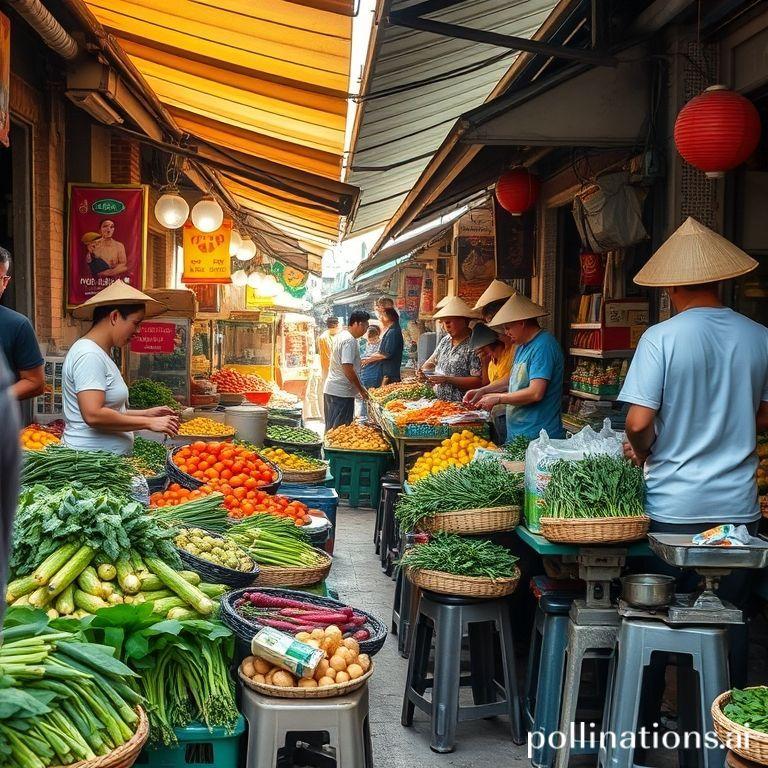
Hanoi moves to a beat you won’t find in any travel book—like a steady drum that pulses through morning markets, afternoon coffee stops, and evening food stalls. To really know Vietnam’s capital, you need to step away from the tourist path and dive into the everyday life of the people who live here. Living like a local in Hanoi means embracing the city’s special mix of old traditions and new energy, from the busy charm of the Old Quarter to the peaceful beauty of neighborhoods by the lake.
This guide will take you past the usual tourist spots and show you how to move through Hanoi’s daily rhythms like someone who belongs here. We’ll visit the markets where Hanoians buy food for their meals, explore the coffee culture that fuels the city’s social life, and learn the unspoken rules that guide everything from crossing the street to enjoying street food. Whether you’re here for a week or planning to stay longer, these tips will help you connect with Hanoi in ways most visitors never do.
At Journey Vietnam, we believe the truest travel moments come from understanding how people live day to day. Through our YouTube channel and website, we’ve spent years capturing the small details of Vietnamese culture—the tiny moments that show the real heart of this amazing country. Come with us as we explore what it truly means to live like a local in Hanoi.
The Morning Market Habit
Hanoians start their day early, and there’s no better place to see this than at the local wet markets. Unlike night markets meant for tourists, these morning markets are where residents shop for fresh ingredients for their daily meals. The air fills with the smell of fresh herbs, the sound of sellers calling out prices, and the bright colors of seasonal fruits and vegetables arranged in pretty displays.
To shop like a local, come around 6:30 AM when the market is most lively. Don’t be afraid to check the produce—locals gently squeeze fruits, smell herbs, and look carefully at vegetables before buying. Learn a few simple Vietnamese phrases like “bao nhiêu tiền?” (how much?) and “cảm ơn” (thank you) to connect with sellers. Remember that bargaining is normal, but keep it polite—these markets work with small profits, and saving a little money isn’t worth hurting the relationship.
The best markets for real experiences include Hom Market in Hai Ba Trung district, where you’ll find grandmothers who have sold the same produce for years, and Long Bien Market near the Red River, which offers beautiful morning views of the city waking up. Notice how locals bring their own bags and containers to use less plastic—a habit that’s both good for the earth and practical.
Hanoi’s Coffee World
Vietnam runs on coffee, and Hanoi has mastered the art of drinking it. While tourists go to chain cafes, locals prefer simple sidewalk coffee shops where plastic stools spill onto the pavement and conversations flow as easily as the coffee. The typical Hanoian coffee break is more than just getting caffeine—it’s a social custom, a moment to pause during a busy day.
Order like a local by learning the different coffee styles: “cà phê đen” (black coffee), “cà phê sữa” (coffee with condensed milk), and “cà phê trứng” (egg coffee), a Hanoi specialty where whipped egg yolk makes a creamy, dessert-like drink. The making is part of the experience—watch as the seller slowly drips hot water through a metal filter into your glass, a process that can take several minutes but makes very rich, strong coffee.
For the most real experience, visit cafes early in the morning (6-8 AM) or late afternoon (3-5 PM), when locals take their breaks. Notice how people stay for hours, sometimes reading newspapers or chatting with friends. The cost is surprisingly low—usually between 15,000-30,000 VND (about $0.60-$1.25 USD). Some famous spots include Giang Cafe for egg coffee, and any unmarked shop in the Old Quarter where older men gather to play chess.
Finding Your Way Through the Street Food World
Hanoi’s street food scene is famous, but there’s a skill to eating like a local that goes beyond just pointing at what looks good. Locals have their favorite sellers for certain dishes, often found after years of trying different places. They know which bánh mì stand has the crispiest bread, which phở shop uses the tastiest broth, and which bún chả place grills the best pork.
Timing is key in Hanoi’s street food world. Different foods are available at different times: phở for breakfast, bún chả for lunch, and various grilled foods for dinner. Look for stalls with plastic stools filled with Vietnamese people—this is the best sign of quality. Don’t be scared by the language difference; pointing and smiling works just fine. Most sellers are used to serving foreigners and will be patient with your attempts to communicate.
Watch how locals eat—they often add fresh herbs, lime juice, and chili sauce from the shared condiment tray to their dishes. They know to eat phở quickly before the noodles get soft, and to mix bún chả well to spread the flavors. Payment usually happens after eating, and it’s normal to leave your used dishes on the table instead of taking them back to the seller.
Getting Around Town
Hanoians move through their city with a smoothness that can seem impossible to newcomers. The secret to getting around Hanoi like a local is understanding the flow instead of fighting it. While tourists often use taxis or ride apps, locals choose from more transportation options that fit different needs and budgets.
For short trips, walking is common, but you need to learn the skill of crossing streets. The trick is to walk slowly and steadily—don’t stop suddenly or change your speed. Motorcyclists will move around you like water around a stone. For slightly longer distances, xe ôm (motorcycle taxis) are cheap and efficient. Agree on the price before getting on, and don’t be surprised if your driver takes a longer route to avoid traffic.
Buses are the most local way to travel longer distances, with routes covering the whole city. The system can be confusing for newcomers, but Google Maps gives accurate route information. For the ultimate local experience, think about renting a motorbike—this lets you explore hidden alleys and neighborhoods most tourists never see. Just be ready for the busy traffic and make sure you have the right license and insurance.
Understanding How to Act in Social Situations
Fitting into Hanoi’s culture requires more than just knowing where to go—it’s about understanding how to behave in different situations. Vietnamese culture cares a lot about respect, social order, and keeping harmony in social interactions. While foreigners are usually given some flexibility, following local manners will earn you respect and lead to more real experiences.
Dress modestly when visiting temples, pagodas, and government buildings—cover your shoulders and knees. When entering someone’s home or a temple, take off your shoes. Use both hands when giving or receiving something, especially money or business cards. The proper greeting is a small bow with hands together, though handshakes are becoming more common in business settings.
Pay attention to how locals act in public spaces—they tend to speak more quietly than Westerners and avoid drawing attention to themselves. Public displays of affection are generally not approved. When eating with Vietnamese friends, let the oldest person start eating first, and don’t stick your chopsticks straight up in your rice bowl (this looks like incense sticks at a funeral). Learning these subtle social rules will help you move through Hanoi with the confidence of someone who understands the culture.
Finding Community Gathering Spots
Beyond the tourist attractions, Hanoi is full of community spaces where locals meet to socialize, exercise, and relax. These are the places where you can truly watch daily life and, if you’re brave enough, join in. From early morning exercise groups to evening badminton games, these spaces show the social fabric of the city.
Parks like Lenin Park and Thong Nhat Park come alive at sunrise with tai chi practitioners, badminton players, and older people doing traditional dances. Joining these activities is surprisingly easy—most groups welcome foreigners who show real interest. In the evenings, the areas around Hoan Kiem Lake turn into a huge social gathering, with families walking, couples sitting on benches, and groups of friends sharing snacks.
Look for local cafés that work as community centers, where regulars have been coming for years. These places often have special features—maybe they focus on a particular type of coffee, host regular music sessions, or serve a specific group of people. Don’t be surprised if you start conversations with strangers—Hanoians are often curious about foreigners who show interest in their way of life.
Seasonal Changes and Celebrations
Living like a local means tuning into Hanoi’s seasonal rhythms and taking part in the festivals and traditions that mark the passing of time. Unlike the fixed experience of tourist spots, these seasonal changes show the city’s deep connection to farming cycles, family traditions, and spiritual beliefs.
The most important event in the Vietnamese calendar is Tết Nguyên Đán (Lunar New Year), when the city changes completely. In the weeks before Tết, markets overflow with peach blossoms, kumquat trees, and special foods. During the holiday itself, the city becomes unusually quiet as people return to their hometowns. If you’re in Hanoi during Tết, participate by visiting temples, giving lucky money in red envelopes to children, and trying traditional foods like bánh chưng (sticky rice cake).
Other important events include the Mid-Autumn Festival in fall, when the Old Quarter fills with lion dances and children carrying lanterns, and various pagoda festivals throughout the year. Even the changing seasons affect daily life—the strong summer heat sends people looking for air-conditioned spaces, while the cooler winter months make sitting outside more comfortable. Paying attention to these seasonal patterns will help you understand why certain activities happen when they do.
Shopping Beyond Tourist Souvenirs
While tourists crowd souvenir shops in the Old Quarter, locals know where to find quality goods at fair prices. Understanding where and how to shop like a Hanoian will not only save you money but also give you insight into the city’s commercial landscape. From traditional crafts to modern needs, shopping locally means supporting small businesses and finding products with real stories.
For clothing, skip the tourist T-shirts and explore local markets like Hom Market or Dong Xuan Market, where you can find everything from traditional áo dài to modern fashion at much lower prices than malls. For household items, the hardware streets in the Old Quarter offer an amazing variety of goods, with each street focusing on a particular type of product. Notice how locals compare shops, carefully checking quality and discussing prices.
When it comes to food shopping, supermarkets are becoming more popular, but traditional markets still offer better prices and fresher produce for those who know how to shop. Look for specialty shops that have been running for generations—the paper shop that sells traditional dó paper, the herb shop with remedies for every health issue, the ceramics store that supplies restaurants throughout the city. These businesses represent living traditions that have survived modernization.
Living like a local in Hanoi is about more than just following routines—it’s about developing an appreciation for the city’s rhythm, understanding its unwritten rules, and connecting with its people. From early morning market visits to late-night street food sessions, each part of daily life shows something about Vietnamese culture and values. By stepping out of the tourist bubble and embracing local habits, you’ll discover a Hanoi that’s more lively, more complex, and more rewarding than any travel book could describe.
At Journey Vietnam, we’re excited about helping travelers experience these real moments. Our YouTube channel features many videos exploring daily life across Vietnam, from market tours to cooking demonstrations to interviews with local artisans. Visit our website at https://journeyvietnam.top to find more guides, stories, and insights that will deepen your connection to this remarkable country. Subscribe to our YouTube channel at https://www.youtube.com/@JourneyVietnam to join our community of Vietnam enthusiasts and never miss another adventure.
Remember that living like a local isn’t about being perfect—it’s about curiosity, respect, and willingness to step outside your comfort zone. The mistakes you make and the connections you form along the way will become your most treasured memories of Vietnam. So wake up early, pull up a plastic stool, and let Hanoi share its secrets with you, one local experience at a time.