Imagine Vietnam as a colorful storybook where every hello, meal, and visit to a special place has its own important rules. For travelers, learning these customs is like learning the secret handshake to a club—it helps you make real friends and understand the warm welcome that Vietnamese people are known for. From busy city streets to quiet temples, knowing what to do and what not to do turns your trip into a meaningful adventure instead of just a vacation.
At Journey Vietnam, we think travel is about diving into culture as much as seeing new sights. This guide will walk you through the key rules of behavior in Vietnam, covering how to say hello, eat properly, visit holy places, and talk with people. Whether it’s your first visit or you’ve been before, these tips will help you show respect and enjoy Vietnam’s rich traditions.
We’ll look at important topics like respectful greetings, how to act in sacred spaces, dining manners that honor local ways, and dressing appropriately. By the end, you’ll know how to avoid mistakes and connect more deeply with the people you meet. For more stories and tips, visit Journey Vietnam and subscribe to our YouTube channel, where we share videos that bring Vietnam’s culture to life.
The Art of Greeting in Vietnam
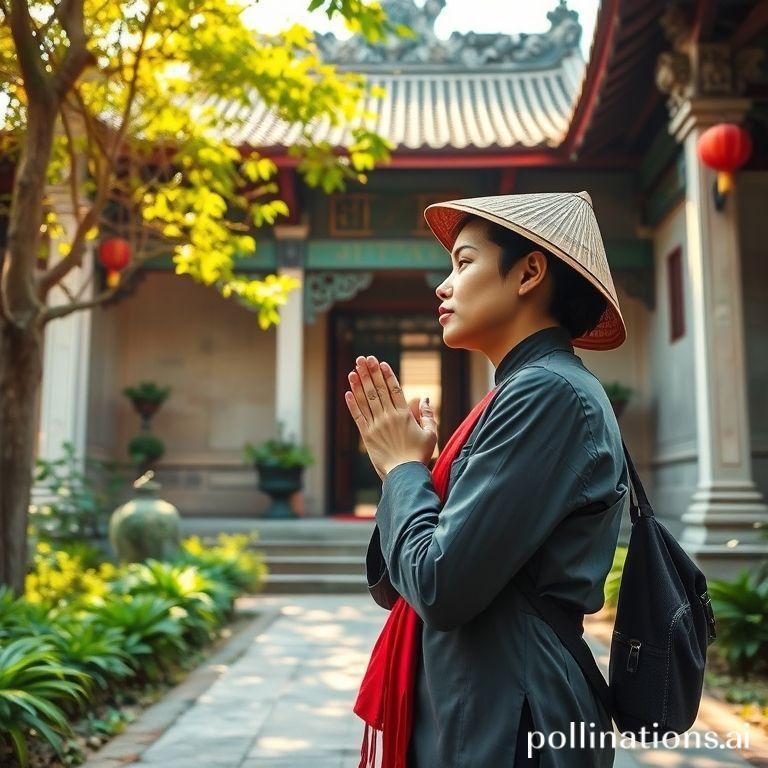
Greetings in Vietnam are like the first brushstroke in a painting—they set the tone for respect and harmony. The traditional hello, especially in formal or countryside settings, is a small bow with hands pressed together, similar to what you might see in Thailand. This is called chào, and it’s often paired with polite titles like ông (for older men), bà (for older women), anh (for older brothers or male friends), or chị (for older sisters or female friends).
When you meet someone new, a handshake is more common in cities and business situations. But wait for the older or higher-status person to start the handshake. Keep it gentle—not too firm. Smiling is like a universal language that helps when words fail, but stay respectful in your manner.
In families or close groups, greetings might include asking about health and family, showing how Vietnamese people value community. Always use both hands when giving or taking something, as it shows you’re paying attention and being respectful. As you travel, watch how locals greet each other in markets, homes, or temples, and follow their lead to show you appreciate their ways.
\”In Vietnam, a greeting is not just a hello; it’s an acknowledgment of someone’s place in the community and a sign of mutual respect.\” — Local Vietnamese Proverb
For examples of greetings and daily interactions, check out our videos on the Journey Vietnam YouTube channel.
Dos and Don’ts in Vietnamese Temples and Pagodas
Vietnam’s temples and pagodas are like quiet gardens for the spirit—peaceful and sacred. When visiting, it’s key to follow rules that honor their importance. Always dress modestly, covering shoulders and knees, and take off your shoes before going indoors. This shows respect for the holy space and is something everyone does.
Inside, keep your voice down and avoid loud talk. Turn off your phone or put it on silent. Don’t point your feet at Buddha statues or altars, since feet are seen as the lowest part of the body. If you sit or kneel, tuck your feet away.
If you make an offering, like incense or a donation, do it humbly and copy what worshippers do. Use your right hand for giving and receiving, as the left hand is traditionally for less clean tasks. You can usually take photos, but ask before snapping pictures of people or sacred objects, and don’t use flash in dark areas.
By following these guidelines, you help keep these places peaceful and show respect. For tours of beautiful temples and tips on visiting, explore Journey Vietnam.
Dining Etiquette: Sharing Meals the Vietnamese Way
Vietnamese food is a big part of the culture, and sharing a meal is like joining a team—it brings people together. When eating with locals or in restaurants, remember a few rules. Meals are usually shared from dishes in the middle of the table. Use serving spoons or chopsticks to take food to your plate, not your personal utensils.
Chopsticks are the main tool, and there are taboos: never stick them upright in rice, as it looks like incense for the dead. Rest them on the holder or bowl edge. Try a bit of everything offered, since refusing food might seem like rejecting kindness. Compliment the cook, as Vietnamese people take pride in their food.
When drinking, especially in groups, toasts with rice wine or beer are common. Hold your glass with both hands when clinking with elders to show respect. Drink in moderation—too much isn’t polite. After eating, say cảm ơn (thank you) sincerely.
These dining customs make your meal more enjoyable and show respect for traditions. For more on food culture, visit Journey Vietnam and watch our YouTube episodes.
Dressing Appropriately for Different Settings
What you wear in Vietnam depends on where you are, like choosing the right outfit for different events. In cities, Western clothes are common, but modesty is still valued, especially at religious sites or in the countryside. Wear light, breathable fabrics for the heat, but avoid very short shorts, tank tops, or low-cut tops in conservative areas.
For temples, cover shoulders and knees—a scarf can help. In business, dress formally: suits for men, conservative clothes for women. Beachwear is fine at resorts but keep it to the beach or pool.
Shoes matter too; take them off before entering homes, temples, and some shops. Comfortable sandals are practical. Dressing thoughtfully shows respect and makes your trip smoother. For style tips, see our videos on Journey Vietnam’s YouTube channel.
Social Interactions and Communication Tips
Vietnamese communication is like a gentle dance—polite and avoiding conflict. When talking to locals, use a soft tone and don’t raise your voice, which can seem angry. Smiling and nodding show you understand, even if you don’t speak the language.
Use the right titles for people to respect age and status. Questions about family or health are common in friendly chats, showing how community-focused Vietnamese society is. But avoid touchy topics like politics unless the other person brings them up.
Gift-giving is a nice custom, especially if invited to a home. Bring small gifts like fruit or flowers, and give them with both hands. It’s polite to refuse once or twice before accepting. Learning a few Vietnamese words, like xin chào (hello) and cảm ơn (thank you), helps build friendships.
By understanding these nuances, you’ll find Vietnamese people very warm. For more language help, explore Journey Vietnam’s resources.
Handling Money and Tipping Customs
Money etiquette is important for respectful travel in Vietnam. The currency is the Vietnamese đồng (VND), and cash is common for small buys, though cards work in cities. Handle money quietly and don’t show off large amounts.
Tipping isn’t traditional but is more usual in tourist spots. In restaurants, 5-10% is nice for good service, but check if a charge is already added. For taxis, round up the fare; tip tour guides or hotel staff for great service.
In markets, bargain with a smile. Start by offering half the first price and negotiate kindly. Haggling is normal, but don’t be pushy. Use both hands when paying or getting change to show respect.
These habits make transactions smooth. For travel tips, visit Journey Vietnam.
Respecting Personal Space and Public Behavior
Vietnamese culture is like a close-knit family—personal space might be smaller than you’re used to. In crowded places, don’t be surprised by people standing close. But be mindful and not intrusive.
Public affection, like kissing, is generally not okay, especially in conservative areas. Hold hands discreetly. When sitting, avoid showing the soles of your feet, as it’s disrespectful. Keep feet on the ground or hidden.
Keep noise down in public; loudness can bother others. Be patient in lines—cutting is rude. By following these norms, you help keep things harmonious and show respect. For more on public spaces, watch our travel vlogs on YouTube.
Following Vietnamese etiquette is like learning the rules of a game—it makes your travel richer and helps you connect with people. From polite hellos to mindful temple visits, these practices show you value Vietnam’s heritage. Travel is a two-way street; by being respectful, you open doors to amazing experiences and kindness.
We hope this guide helps you explore Vietnam with confidence. For more stories and advice, visit Journey Vietnam and subscribe to our YouTube channel. Happy travels, and may your journey be full of respect, wonder, and friendship!