
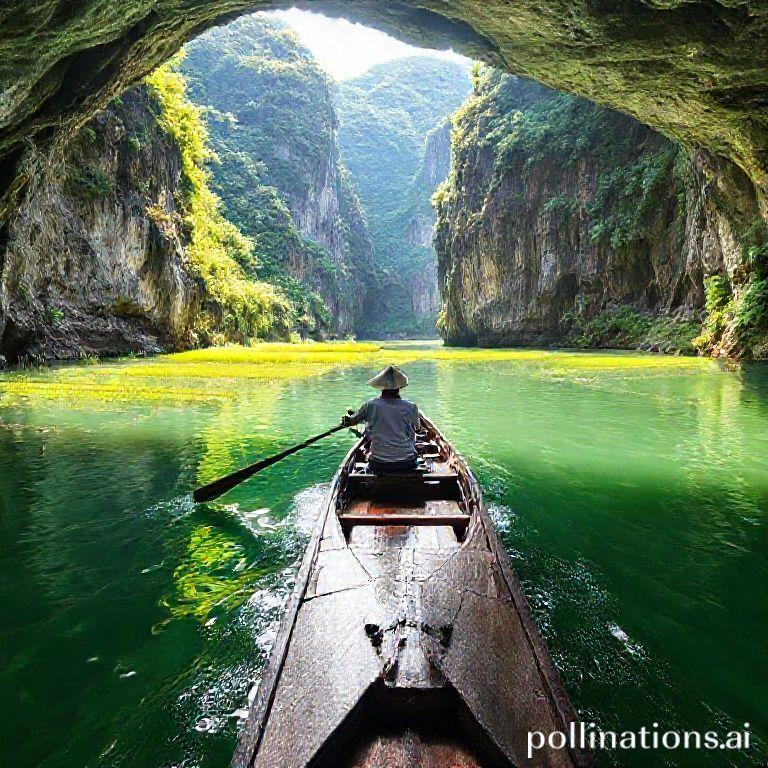
Just a two-hour drive from Hanoi’s busy streets, you’ll find Ninh Binh, a place so beautiful people call it “Ha Long Bay on land.” This day trip destination lets you escape into Vietnam’s most amazing natural scenery, where limestone mountains rise like giant stone sentinels from bright green rice fields and old temples tell stories from long ago. Whether you want peaceful boat trips through mysterious caves, to learn about history at ancient sites, or simply to see incredible views, Ninh Binh gives you an unforgettable Vietnamese experience in just one day.
The area’s special landscape creates a magical feeling that changes with the seasons. From February to April, golden rice fields create a stunning contrast against the tall limestone formations. During summer, lush green plants cover the land like a blanket, while autumn brings clearer skies perfect for taking pictures. Each season paints Ninh Binh with different colors, but the amazing beauty stays the same all year.
The Tam Coc Boat Ride: A Journey Through Nature’s Tunnel
Often called the “Three Caves” route, Tam Coc offers one of Vietnam’s most wonderful boat trips. The experience starts at Van Lam wharf, where you’ll get on small wooden boats usually rowed by local women using their feet—a special technique taught from mothers to daughters for generations. As you float along the Ngo Dong River, you’ll go through three natural caves formed by river water wearing away limestone mountains over millions of years.
The first cave, Ca Cave, stretches 127 meters through the mountain, with rock formations hanging from the ceiling that look like strange shapes. The second cave, Hai Cave, is 60 meters long and opens to show hidden valleys where water buffalo eat along riverbanks. Giua Cave, the last passage, completes this magical trip through Ninh Binh’s natural wonders. Between caves, the river winds through rice fields that change color with the seasons, creating scenery that photographers love to capture.
Local rowers often share stories about the area’s history and point out natural formations that look like animals or imaginary creatures. Some might even sing traditional folk songs, their voices echoing through the caves and adding to the magical feeling. The whole trip takes about two hours, though time seems to stop when you’re surrounded by such amazing scenery. Early morning trips are cooler with softer light, while late afternoon trips give you spectacular sunset views over the limestone landscape.
“The Tam Coc boat ride feels like traveling through a living painting. Each turn reveals new wonders—limestone mountains reflecting in emerald waters, rice fields stretching to the horizon, and caves that feel like portals to another world.” – Local boat operator, Mrs. Lan
Helpful tips for your Tam Coc adventure:
- Bring sunscreen and hats for sun protection
- Have cash ready for entrance fees and possible tips for your rower
- The best photo spots come from sitting near the front of the boat
- Remember to look up—the cave ceilings have incredible rock formations many people miss
- Consider that rowing is the rowers’ main job, and a small tip shows appreciation for their hard work and stories
Ancient Temples: Windows to the Past
Ninh Binh’s spiritual history shines through its old temples, which fit perfectly with the dramatic landscape. Bai Dinh Pagoda is Southeast Asia’s largest Buddhist complex, covering 539 hectares with detailed architecture that shows Vietnamese Buddhist traditions. The temple area has the magnificent Tam The Palace with three giant bronze Buddha statues representing past, present, and future. The 13-story Bell Tower gives you wide views of the surrounding mountains, while the 100-ton bronze bell’s deep sound can be heard throughout the valley during ceremonies.
Hoa Lu Ancient Capital, Vietnam’s first centralized capital from 968 to 1010 AD, preserves two important temples for Kings Dinh Tien Hoang and Le Dai Hanh. The Dinh Temple, built in the 17th century but honoring 10th-century King Dinh, has stone dragons winding around columns and courtyards that have seen centuries of Vietnamese history. The nearby Le Temple, though smaller, contains valuable objects from the Early Le Dynasty. Walking through these temple grounds feels like stepping back in time, with ancient banyan trees shading stone pathways and incense smoke creating a feeling of timeless respect.
Bich Dong Pagoda, known as the “Jade Grotto,” shows perfect harmony between natural caves and human building. The pagoda has three levels built into mountain caves, with the lower temple at the mountain’s base, the middle temple halfway up reached through a dark cave passage, and the upper temple giving spectacular views from the mountaintop. The journey through Bich Dong becomes like a spiritual climb, with each level representing higher understanding in Buddhist thinking.
These temples aren’t just historical monuments—they remain active places of worship where locals continue centuries-old traditions. Visiting during festival times like the Bai Dinh Pagoda Festival (spring) or Hoa Lu Festival (third lunar month) lets you see colorful cultural performances, traditional music, and special ceremonies. Remember to dress respectfully, covering shoulders and knees, and stay quiet while exploring these sacred spaces. The temples usually open from early morning until late afternoon, with small entrance fees helping maintain these cultural treasures.
Exploring the Limestone Landscape: Nature’s Sculpture Garden
Ninh Binh’s limestone mountains create one of Vietnam’s most unique landscapes, formed over 250 million years through earth movements and erosion. These tall formations, some reaching 200 meters high, create a dramatic skyline that changes character with the light throughout the day. The rock makeup includes mainly limestone and dolomite, which dissolve in rainwater to create the caves, underground rivers, and special shapes that define the area.
Mua Cave viewpoint offers the most spectacular wide view of this landscape. The climb involves nearly 500 stone steps winding up the mountainside, passing small shrines and resting spots along the way. Your effort rewards you with 360-degree views of Tam Coc’s river winding through rice fields, with limestone peaks stretching to the horizon in every direction. Sunrise and sunset transform the view into something magical, with golden light painting the limestone formations and long shadows defining the land below.
Thung Nham Bird Garden gives a different view of the limestone environment, where wetlands sitting between limestone formations create homes for thousands of birds. From October to April, migrating birds join local species, creating amazing flying patterns at dawn and dusk. Wooden walkways let visitors explore this environment without bothering the wildlife, while observation towers give higher views of birds nesting in the limestone cliffs.
Trang An Landscape Complex, a UNESCO World Heritage site, offers another way to experience the limestone scenery through a longer boat route that passes through multiple caves and temples. The landscape here feels more wild and untouched than Tam Coc, with deeper caves and more dramatic limestone formations. The plant and animal life includes rare plants like thousand-year-old banyan trees and special animal species adapted to the limestone environment. Geological features like Hang Dau (Dark Cave) show how water continues to shape this landscape, with new formations constantly developing.
For photography lovers, the best light happens during golden hour—shortly after sunrise and before sunset—when the low sun angle creates depth in the landscape. The rice fields change colors throughout the year, from bright green in summer to golden yellow during harvest season, providing different backgrounds against the eternal limestone. Local guides can show you the best viewing spots and share information about the geological history that makes this landscape so special.
Planning Your Day Trip: Making the Most of Your Visit
Successful day trips to Ninh Binh need good planning to get the most from your experience while avoiding travel tiredness. The trip from Hanoi usually takes two hours by private car or three hours by bus, with multiple departure choices throughout the day. Private transportation lets you start early and return late, while organized tours provide convenience and local guidance. The best plan begins with an early departure from Hanoi around 6:30 AM, arriving in Ninh Binh as attractions open at 8:00 AM.
The ideal order starts with Tam Coc boat rides to avoid afternoon crowds and heat, followed by temple visits during midday when indoor spaces provide relief from the sun. Late afternoon should be saved for viewpoint climbs like Mua Cave, when the light becomes magical and temperatures cool. This schedule makes sure you experience each attraction at its best while keeping a comfortable pace throughout the day.
Essential items to bring:
- Comfortable walking shoes with good grip for temple steps and viewpoint climbs
- Sun protection (hat, sunscreen, sunglasses)
- Light rain gear (weather can change quickly)
- Enough Vietnamese Dong for entrance fees, boat rides, and local purchases
- A portable power bank to keep your devices charged for photography
Local food forms an important part of the Ninh Binh experience. Mountain goat meat prepared different ways is a regional specialty, with restaurants around Tam Coc offering grilled, steamed, or hot pot preparations. Com chay (burnt rice) creates a unique crispy texture that goes perfectly with local dishes, while fresh spring rolls with river shrimp provide light refreshment during warm days. For real experiences, look for family-run restaurants away from main tourist areas, where recipes have been handed down through generations.
As your day in Ninh Binh ends, you’ll carry memories of one of Vietnam’s most wonderful regions—where nature’s greatness meets rich cultural history. The experience gives visitors not just photographs, but a deeper appreciation for how landscape shapes culture and how ancient traditions continue in modern Vietnam. Ninh Binh shows how available amazing beauty can be—just hours from cities lie landscapes that feel worlds away from modern life.