
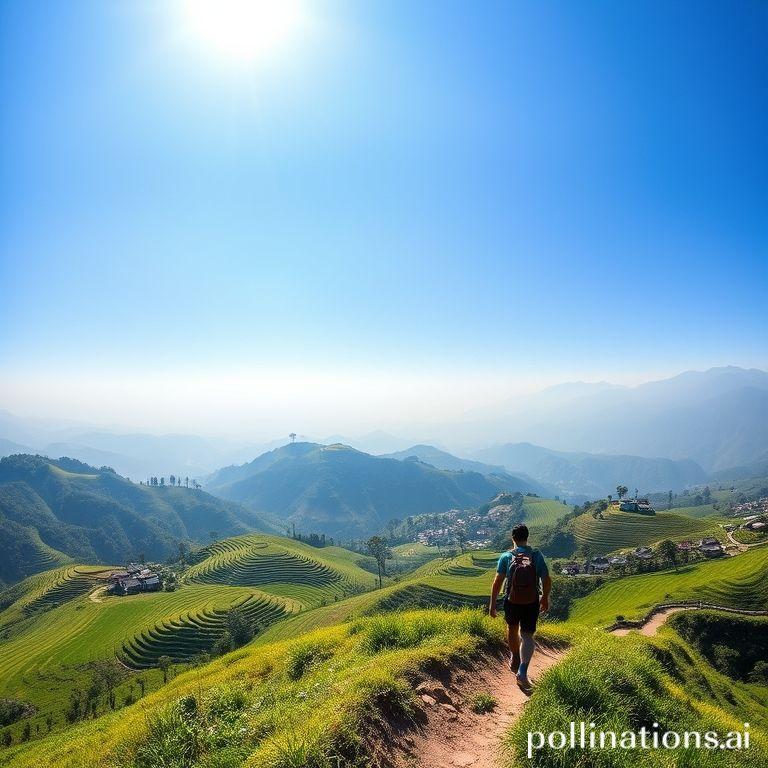
Imagine Sapa as a giant outdoor staircase carved into the mountains of northern Vietnam. This place is like a living painting where nature and culture dance together. The trails here take you through misty peaks and past colorful local villages, making it the perfect adventure for both experienced hikers and curious explorers.
Walking Paths in Sapa
Think of Sapa’s trails like different levels of a video game. The Cat Cat Village path is the easy level – a gentle walk through green forests and past traditional homes. For those seeking a tougher challenge, climbing Fansipan Peak is like scaling a giant’s ladder to the “top of the world” with views that will make your heart sing. The Muong Hoa Valley route mixes nature and history, like walking through an open-air museum of rice fields and ancient carvings.
Nature’s Masterpieces
The rice terraces are nature’s staircase to the sky, changing colors like a magical chameleon throughout the year. In spring, they become mirrors reflecting the clouds; in summer, they turn into a green carpet; and by autumn, they glow like golden treasure. The waterfalls are like nature’s water fountains – perfect for cooling off. For the best sunrise or sunset views, climb Ham Rong Mountain or visit the terraces near Ta Van Village, where the sky paints daily masterpieces.
Cultural Treasure Chest
Sapa is like a living cultural museum where different ethnic groups – Hmong, Dao, Tay, and Giay people – preserve ancient traditions. Walking through villages like Lao Chai and Ta Van is like stepping into a storybook where you can learn about traditional weaving, natural dyeing, and even stay with local families. Supporting these communities helps keep their cultural treasures alive for future generations.
When to Visit
The best times to explore Sapa are like choosing between two perfect seasons. September to November offers golden rice fields ready for harvest, while March to May shows off fresh green growth after planting. These periods provide comfortable weather like nature’s perfect air conditioning. Avoid the rainy season (June-August) when trails become slippery slides, and winter months (December-February) when fog acts like a thick blanket covering the mountains.
Adventure Preparation
Preparing for Sapa is like packing for a weather-changing adventure. Bring sturdy shoes that grip the earth like mountain goats, layers of clothing for temperature changes, and rain protection for surprise showers. Your backpack should be like a survival kit with water, snacks, first-aid supplies, and navigation tools. Always tell someone your plans or hire a local guide who knows the land like the back of their hand.
Walking with Care
Exploring Sapa is like being a guest in someone’s beautiful home. Stay on marked paths to avoid stepping on nature’s garden, carry your trash like responsible visitors should, and use reusable bottles to avoid plastic pollution. When meeting local people, ask before taking photos as you would when visiting anyone’s home. Buying directly from artisans is like giving a heartfelt thank you for sharing their culture.
Hiking through Sapa is more than exercise – it’s like reading a living book where every step reveals new wonders of nature and human tradition. From the breathtaking rice staircases to the warm welcome of mountain villages, each moment creates memories that stick with you forever. Plan thoughtfully, respect the land and people, and you’ll carry pieces of Sapa’s magic home with you.