
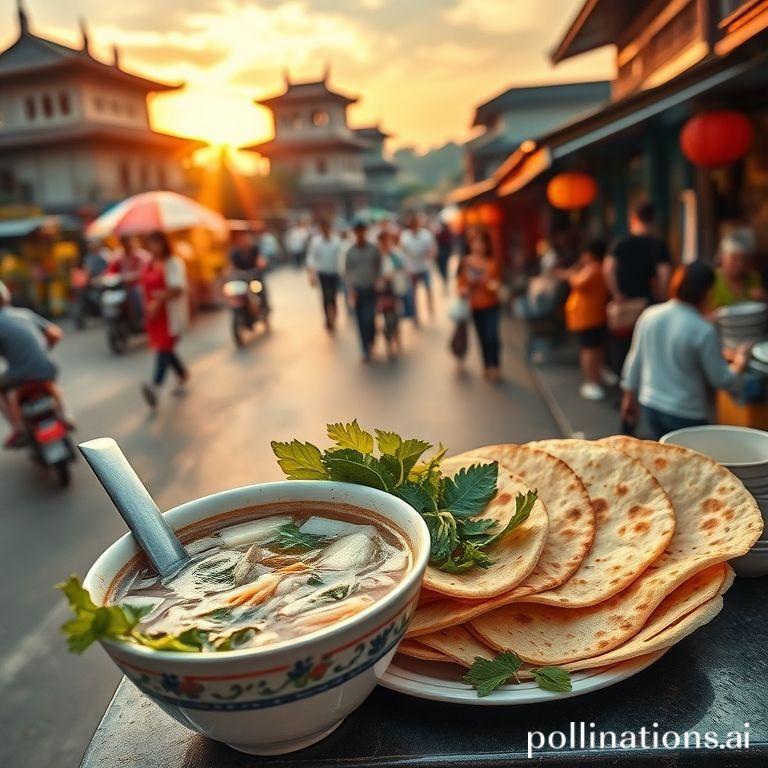
Welcome to the ancient city of Hue, where every meal is like opening a history book filled with stories of kings, traditions, and amazing tastes. Located by the Perfume River, Hue is not just a place from the past but a food heaven that has drawn food lovers from all over the world. From the spicy warmth of bun bo Hue to the crunchy joy of banh khoai, Hue’s food is like a concert of flavors that shows its royal background and lively culture.
In this guide, we’ll travel through the heart of central Vietnam’s food scene, discovering famous dishes, secret spots, and the rich stories behind each bite. Whether you’re a food expert or just a curious visitor, get ready to be charmed by the imperial tastes that make Hue a place you have to see. For an even closer look, visit Journey Vietnam and our YouTube channel @JourneyVietnam, where we make these food adventures come alive.
The Royal Past of Hue’s Food
Hue’s food identity is tightly woven with its history as the home of emperors during the Nguyen Dynasty. For almost 150 years, from 1802 to 1945, Hue was the center of power, and its cooking grew to please the tastes of kings and queens. This time gave rise to a fancy, detailed way of cooking that focused on balance, beauty, and complexity.
Palace cooks had to make dishes that were not only tasty but also beautiful to look at, often with careful layouts and matching flavors. This care is still seen today in Hue’s most well-known dishes. As food expert Nguyen Nhu Huy says,
Hue cuisine is proof of Vietnam’s cultural depth, where every item is picked for a reason and every meal is like a masterpiece.
Outside the palace, Hue’s food also took ideas from everyday people, creating a varied food world that goes from street food basics to fancy feast dishes. This mix of royal and common traditions makes Hue’s food special, offering something for every liking and wallet.
Bun Bo Hue: The Core of Hue
No talk about Hue food is full without bun bo Hue, a strong and fragrant noodle soup that has become a symbol of the city. Unlike pho from the north, bun bo Hue is known for its deep, spicy broth, which is filled with lemongrass, chili, and shrimp paste.
The soup usually has thick rice noodles, soft pieces of beef, and often pork knuckles or blood cake, making a rich and filling meal. The broth is cooked for hours, letting the flavors blend perfectly. As local cook Tran Thi Lan explains,
Making bun bo Hue is an act of love. It’s about waiting and honoring the ingredients, from the beef bones to the fresh greens.
For the top bun bo Hue experience, go to small, family-owned spots where recipes have been shared through families. Each bowl tells a tale of tradition and skill, making it a must-eat for any guest.
Banh Khoai: Hue’s Crispy Pancake Joy
Another famous dish is banh khoai, a crispy rice flour pancake filled with shrimp, pork, and bean sprouts. Often likened to Vietnamese savory pancakes like banh xeo, banh khoai is different for its smaller size and richer filling, making it a popular snack or light meal.
The pancake is fried until golden and crisp, then served with a zesty peanut dipping sauce and fresh herbs. The mix of textures and flavors—crunchy, savory, and a bit sweet—is totally tempting. According to food expert Pham Thanh Huong,
Banh khoai captures the soul of Hue street food: simple items turned into something amazing.
You can find banh khoai at busy markets and street stands all over Hue, where it’s often eaten with friends over a cold beer or iced tea.
Imperial Feasts: A Meal for Royalty
For a taste of royalty, enjoy an imperial feast, a many-course meal that brings back the luxurious dining of Hue’s emperors. These meals include a range of delicate dishes, like lotus seed soup, grilled meats wrapped in lotus leaves, and finely carved fruits and vegetables.
Each dish is made to please all five senses, with a focus on visual appeal and balanced flavors. Imperial cooking often uses rare items and complex methods, showing the refinement of the royal court. As told in history books,
Emperors ate dishes that were as much about art as food, with cooks racing to make the most stunning displays.
Today, some restaurants in Hue offer imperial feast experiences, letting visitors travel back in time and enjoy the splendor of Vietnam’s royal history.
Street Food Life: The Beat of Hue
Beyond the imperial dishes, Hue’s street food world is lively and varied, giving a peek into daily life in the city. From morning markets to night stalls, the streets of Hue buzz with the sound of grills, the smell of broths, and the talk of locals enjoying their favorite bites.
Must-try street foods include nem lui (grilled pork skewers), banh beo (steamed rice cakes), and che Hue (sweet soups). These dishes are cheap, flavorful, and deeply part of local culture. Food writer Le Minh Tu notes,
Hue’s street food is where tradition mixes with new ideas, with sellers adding their own touches to classic recipes.
Exploring Hue’s street food is not just about eating; it’s about bonding with the community and feeling the city’s energetic vibe.
Sweet Finishes: Hue’s Desserts and Drinks
No meal in Hue is done without something sweet. The city is famous for its desserts, especially che Hue, a mix of sweet soups made with beans, fruits, and jelly. Each type of che gives a unique blend of textures and flavors, from the smooth che dau van to the cool che sen.
Hue is also known for its traditional drinks, like tra cung dinh (imperial tea) and locally made rice wine. These drinks often go with meals or are enjoyed alone as a refreshing treat. As said by drink expert Vo Quang,
In Hue, even drinks are made with care, showing the city’s commitment to food excellence.
Whether you’re treating yourself to a rich dessert or sipping a fragrant tea, Hue’s sweet offerings give a perfect end to any food journey.
Bringing Hue Tastes to Your Kitchen: Recipes and Advice
Inspired to make Hue’s dishes in your own home? While nothing matches trying them in their home, you can catch a bit of Hue’s wonder with some key recipes and methods. Start with bun bo Hue or banh khoai, using real items like shrimp paste and rice flour.
Many local cooks stress the need for fresh herbs and spices, which are key for getting the true flavors of Hue. Online help and cooking classes, like those on Journey Vietnam, can lead you through the steps. As home cook Nguyen Thanh Mai suggests,
Don’t hesitate to try new things. Hue cuisine is about balance, so change spices to your taste and enjoy the process.
With effort and time, you can bring the imperial flavors of Hue to your table, sharing a taste of Vietnam with family and friends.
Hue’s food is more than just eating; it’s a mirror of history, culture, and love. From the royal halls to the lively streets, every dish offers a tale ready to be enjoyed. As you discover the flavors of central Vietnam, remember that the trip doesn’t stop here. Learn more about Vietnam’s food wonders with Journey Vietnam and our YouTube channel @JourneyVietnam, where we keep revealing the secrets of this lovely country. Whether you’re planning a visit or just imagining far-off tastes, let Hue spark your next adventure.