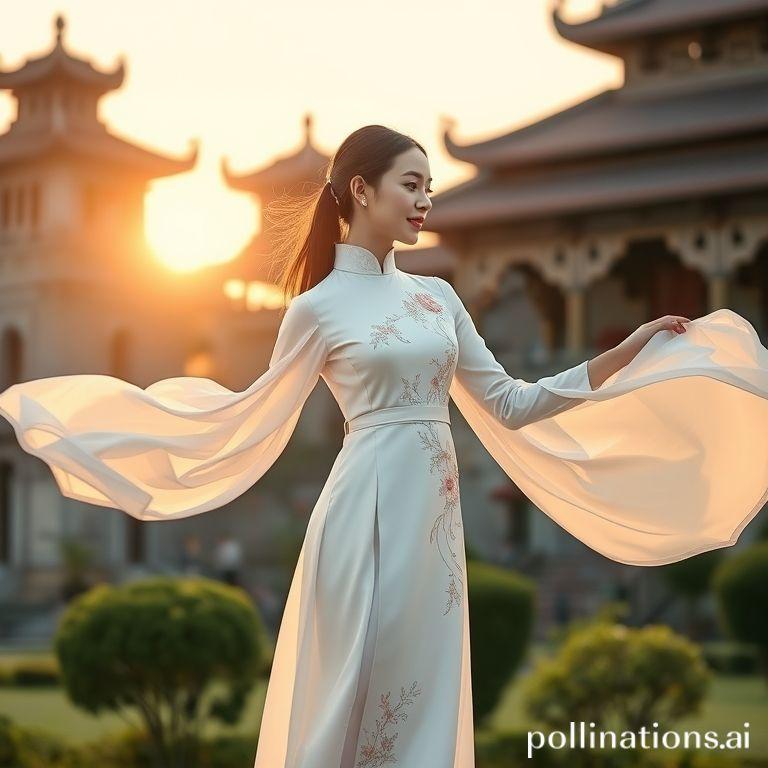
Think of the Vietnamese Ao Dai as a river that flows through time—it’s more than just clothing, it carries the spirit of a whole nation. This beautiful national costume, with its fitted top and flowing pants, has been a symbol of Vietnamese womanhood, cultural pride, and lasting beauty for hundreds of years. Like a tree that grows but keeps its roots, the Ao Dai has changed with the times while staying true to itself.
The story of the Ao Dai is like a history book come to life. What started as fancy clothing for royalty has become something everyone wears—students, office workers, brides, and performers. Its magic comes from balancing two opposite ideas: it’s both modest and beautiful, traditional and modern, all at the same time.
From Royal Roots to Modern Times
The Ao Dai first appeared in the 1700s when Vietnamese leaders wanted to create clothing that was different from Chinese styles. The earliest version had five parts, like the five fingers on a hand, each with special meaning. As one historian explains,
“The Ao Dai emerged as a conscious effort to create a uniquely Vietnamese aesthetic identity during a period of cultural self-definition.”
When French colonists arrived, the Ao Dai changed again—it became tighter and more colorful. Then in the 1930s, an artist created a new version with puffy sleeves and bright colors that made some people excited and others worried about losing tradition.
By the mid-1900s, the Ao Dai settled into the style we know today—a long, split shirt worn over pants. A famous first lady helped make the collarless style popular. Even through wars and hard times, the Ao Dai remained important, with small changes each decade showing how society was changing.
Hidden Meanings in Every Stitch
Every part of the Ao Dai is like a secret message about Vietnamese values. The long lines are like bamboo swaying in the wind, while the high collar shows modesty and respect. The five panels match the five elements of nature—creating balance between the person wearing it and the world around them. As one expert says,
“The Ao Dai is not merely clothing; it’s a philosophical statement about the Vietnamese worldview.”
The way the Ao Dai covers the body but still shows its shape represents the Vietnamese idea of balancing love and respect in relationships. Colors are like a secret language too:
- White means purity and is often worn by students
- Red brings luck and happiness for weddings
- Blue shows calmness and stability
- Yellow represents royalty and success
- Black is for formal and sophisticated events
The patterns often include flowers (for purity), bamboo (for strength), dragons (for power), and phoenixes (for new beginnings).
Different Styles Across Vietnam
Like different dialects of the same language, the Ao Dai changes across Vietnam’s regions. The Hue style from the old royal capital is conservative and formal, often with dark colors and fancy embroidery. As one tailor explains,
“The Hue Ao Dai carries the weight of history in every stitch.”
The Southern style from Ho Chi Minh City is more like a colorful festival—bright, modern, and always trying new things. Northern styles from Hanoi are more traditional and elegant, focusing on perfect craftsmanship. Some designers even mix in patterns from Vietnam’s minority groups, creating new styles that celebrate diversity.
The Ao Dai’s Comeback Story
After a quiet period, the Ao Dai has made a strong return in recent years. This revival is like a cultural spring after a long winter—driven by government support, Vietnamese people living abroad sharing their heritage, and young designers creating new versions. As one fashion expert notes,
“The Ao Dai’s comeback represents a cultural confidence that Vietnam has regained after decades of hardship.”
Modern designers have turned the Ao Dai from special occasion wear into everyday fashion. They’ve created office versions, casual styles, and artistic designs that have appeared on international runways. Social media has helped too, with young people sharing their Ao Dai outfits and creating new fashion trends around this traditional garment.
Where to See the Ao Dai in Action
If you want to experience Ao Dai culture, Vietnam offers many opportunities. The city of Hue is like living history, with festivals showing traditional Ao Dai fashion. Ho Chi Minh City is the center of modern Ao Dai culture, with boutiques, museums, and fashion events. To see how people really wear Ao Dai, visit schools in the morning or attend weddings and graduation ceremonies.
Throughout the year, cultural festivals become living art galleries of Ao Dai styles. During Lunar New Year, women wear red and yellow Ao Dai to temples. Other festivals in different regions each show their own local versions of this beautiful tradition.
Creating Your Own Ao Dai
The best way to connect with Ao Dai culture is to have one made just for you. This starts with finding a good tailor in cities like Hanoi, Hue, or Ho Chi Minh City. Look for tailors who understand both measurements and personality. As one master tailor advises,
“A great Ao Dai requires three things: excellent fabric, precise measurements, and an understanding of the wearer’s personality.”
Choosing fabric is like picking the right ingredients for a recipe—it affects everything about how the Ao Dai will look and feel. Traditional Vietnamese silk comes in different regional varieties, each with unique qualities. Modern options include linen for casual wear or velvet for special events.
When designing your Ao Dai, you can choose collar styles, sleeve lengths, and decorations. A good tailor will help you make choices that suit your body and style while respecting tradition. The result should be something that feels uniquely yours while honoring Vietnamese heritage.
Where to Find Quality Ao Dai
Vietnam has many excellent places to find or commission Ao Dai. In Hanoi’s Old Quarter, you’ll find family businesses that have been making Ao Dai for generations. As one fashion writer observes,
“Hanoi’s Ao Dai tailors understand the garment’s history and significance.”
Ho Chi Minh City offers more modern and fashionable options from famous designers. For something different, visit craft villages where you can see silk being made from start to finish. No matter where you shop, the best experiences come from building a relationship with your tailor and creating something that connects you to Vietnamese culture.
The journey of the Ao Dai is like Vietnam itself—always changing but never losing its soul. From royal palaces to schoolyards, this garment has adapted while keeping its graceful beauty. Whether you’re watching it flow through city streets or feeling the transformation of wearing one yourself, the Ao Dai offers a beautiful connection to Vietnam’s heart and history.