
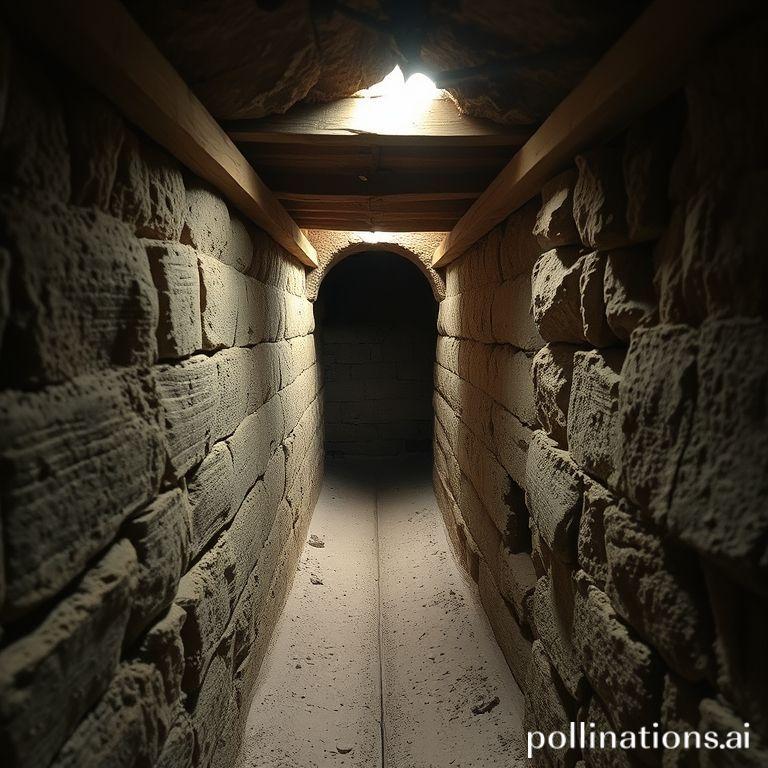
Just outside the busy energy of Ho Chi Minh City, you step into another world—a world carved with the toughness and cleverness of the Vietnamese people. The Cu Chi Tunnels are more than a place for visitors; they are a deep historical mark, an underground city that shares the story of a country’s strong will during an important time. This huge network, stretching over 250 kilometers, acted like a lifeline, a hidden fortress, and proof of human strength. For any traveler wanting to understand Vietnam beyond its modern buildings, a trip into the Cu Chi Tunnels is a must—it is a humble and unforgettable experience.
Here at Journey Vietnam, we love uncovering the layers of history and culture that make this country so interesting. Our website, JourneyVietnam.top, and our YouTube channel, work to bring these stories to life. In this close look, we will explore the detailed history of the Cu Chi Tunnels, from their smart building to their part in the Vietnam War. We will then walk you through a visit today, giving useful tips to help you explore this amazing place with respect and understanding. Get ready to go down into history.
The Start of an Underground City
The story of the Cu Chi Tunnels begins not in the 1960s, but earlier, during the fight against French rule. The Viet Minh, who came before the Viet Cong, first dug simple hideouts and short tunnels for talking in the late 1940s. The soil in the Cu Chi area, about 60 kilometers northwest of Saigon, was just right for digging—it was strong but soft enough to carve with simple tools. These early digs set the base for what would become one of the biggest and most clever tunnel systems in military history.
When the conflict grew into the Vietnam War (called the American War in Vietnam), the Viet Cong made the tunnels much larger. Their strategic value was huge. Cu Chi was named an \”Iron Land\” by the communist leaders—a base area very close to the South Vietnamese capital. From this hidden fort, the Viet Cong could strike Saigon by surprise and then disappear back into the jungle and ground, confusing American and ARVN (Army of the Republic of Vietnam) soldiers. The network became a working underground town, with living spaces, hospitals, command posts, kitchens built to spread smoke, weapon workshops, and even places for plays. Life below was a constant fight against dark, sickness, and the fear of being found, showing the extreme sacrifices made.
Clever Building and Everyday Life
The smart thinking shown in making and running the Cu Chi Tunnels is amazing. Built by hand, often with basic hoes and baskets, the tunnels were a wonder of simple but effective engineering. The system was usually made in three layers, with the deepest going down to 12 meters to be safe from bombs. Entrances were hidden with care, under ant hills, inside hollow logs, or under trapdoors covered with leaves and dirt. These openings were so small that usually only thin Vietnamese soldiers could fit, keeping out bigger American troops.
Air flow was handled through hidden vents that opened into ant hills or thick plants. To stop flooding in the rainy season, the tunnels were dug on a slight slope and had pits to catch water. Maybe the most frightening parts were the tricky traps set around the edges. Made from sharp bamboo sticks and old bombs, these traps were meant to injure rather than kill, because a hurt soldier needed more help from the enemy than a dead one. Life inside the tunnels was scary. Soldiers and helpers lived in tight spaces, with poisonous bugs, snakes, and little air or light. Sickness like malaria was common. Still, the people kept going, living on what they could find or grow secretly above ground.
A Hidden Fort in the Vietnam War
The Cu Chi Tunnels were key during the Vietnam War. They let the Viet Cong rule a big rural zone near Saigon, almost circling the capital. The network was a base for the famous Tet Offensive in 1968, where Viet Cong units attacked the city boldly. For American forces, the tunnels were very frustrating. The 25th Infantry Division set up a big base right on top of a main part of the tunnels, not knowing they were sharing the land with their enemy.
American tries to stop the tunnel threat were big. \”Tunnel Rats\”—special soldiers, often small—would go down into the dark, tight passages with just a gun, a knife, and a light. It was one of the war’s riskiest jobs. Above ground, forces used B-52 bombs, artillery, and chemicals like Agent Orange to ruin the jungle and show the tunnels. Tanks with plows cleared large areas of land. Even with these strong efforts, the tunnel system was never fully destroyed. Its strength became a powerful sign of the Viet Cong’s determination.
Cu Chi Today: A Change into a History Site
Since the war ended in 1975, the Cu Chi Tunnels have been kept and turned into a war memory park, drawing visitors from everywhere. Two main spots are open: Ben Dinh and Ben Duoc. Ben Dinh is more popular and commercial, closer to Ho Chi Minh City. It has tunnels made wider and stronger with concrete for bigger tourists, plus shooting ranges where visitors can fire old guns like the AK-47 for extra money.
Ben Duoc, farther away, is often seen as more real and serious. It has the Ben Duoc Temple, a memory place for the over 45,000 Vietnamese who died in the area. The tunnels here are less changed. Going to either spot gives a strong, full-sense history lesson. You can see displays of the cruel traps, watch an old information film from the Vietnamese side, and, most of all, have the chance to crawl through a small part of the tunnels yourself—an experience that quickly shows the tight fear of wartime life below.
Planning Your Visit: Helpful Tips
A trip to the Cu Chi Tunnels is a common day trip from Ho Chi Minh City. You can book a tour with many companies in the city’s Pham Ngu Lao area, which usually includes travel and a guide who speaks English. For more freedom, you can hire a private car or take a public bus partway, but this takes more planning. It is a good idea to go with a guide, because their knowledge of the history and details of the tunnels makes the visit richer.
Wear the right clothes: light, airy fabrics are best for the heat, but long sleeves and pants protect from bugs. Most importantly, wear comfy, closed shoes that you do not mind getting dirty. The visit involves walking on uneven paths and, if you go in, crawling through dusty tunnels. Bring water, sunscreen, and bug spray. Know that the tunnel crawl can be hard for people who fear tight spaces, have asthma, or have back or knee issues—it is fine to watch from above. Approach the place with respect; it is, first, a memory to those who lived and died there.
A Trip for Thinking and Learning
Visiting the Cu Chi Tunnels is more than just a tourist stop; it is a journey that makes you think deeply. It makes you face the hard truths of war and the amazing efforts people make for their beliefs and country. Standing there, you get a real sense of the uneven fight—the high-tech power of one side against the cleverness and pure will of the other.
The site shows history from one view, and it is good to hear that story while also learning other sides for a full picture. It is a place that brings up mixed feelings: wonder at the engineering, sadness for the lives lost, and deep respect for human strength. It asks visitors to look deeper, both actually and in meaning, to understand a key part of Vietnam’s long history.
The mark of the Cu Chi Tunnels is carved forever into the Vietnamese land and mind. They stand as a strong symbol of fighting back, a monument to cleverness born from need, and a serious reminder of war’s price. For travelers today, they give a special chance to touch an important time in history. Going down into those narrow passages is a real experience that no book or film can match. It is a humble meeting that stays with you, helping you value the peace and steadiness of Vietnam today.
We hope this guide makes you want to see this amazing historical place. For more stories and visual trips through Vietnam’s rich culture and history, follow our adventures on JourneyVietnam.top and subscribe to our YouTube channel. Until next time, journey deep.