
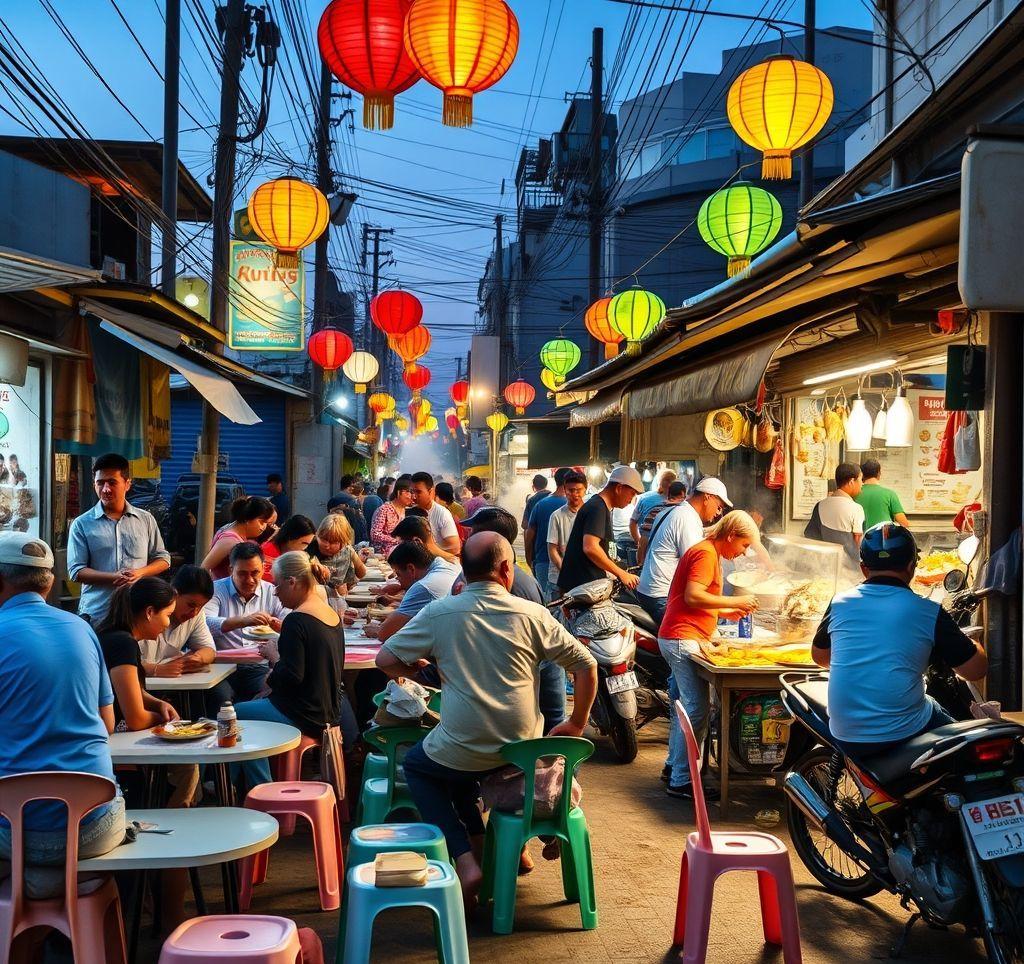
Vietnam is like a treasure chest that doesn’t cost a fortune to open. From the foggy mountains of Sapa to the busy streets of Ho Chi Minh City, this Southeast Asian jewel gives you amazing bang for your buck. With smart planning and local know-how, your money can go further than you ever thought possible.
Whether you’re a backpacker looking for excitement or a careful traveler wanting real experiences, Vietnam welcomes you with open arms and wallet-friendly choices. This guide will show you how to use the country’s transportation, find tasty street food for under $2, and discover cozy hostels that won’t empty your pockets.
At Journey Vietnam, we’ve traveled every part of this beautiful country and gathered our best money-saving tips to help you get the most from your trip. Don’t forget to visit our YouTube channel for video guides and real budget travel stories!
Budget-Friendly Places to Stay
Vietnam’s hostel scene has grown like wildfire in recent years, offering clean, safe, and social places to sleep at rock-bottom prices. In big cities like Hanoi and Ho Chi Minh, you can find dorm beds for as low as $5-8 per night, often including breakfast and even free beer hours.
Some of our favorite cheap stays include: Hanoi Backpackers Hostel in the Old Quarter with its famous pub crawls, Vietnam Backpacker Hostels with spots across the country offering great facilities at low prices, and Mama’s House in Hoi An with its family-like feel and cooking classes.
For those who want private rooms, guesthouses (nha nghi) offer excellent value at $10-15 per night. These family-run places often give more authentic experiences than big hotel chains. Many include breakfast and have owners who can set up tours and transportation at local prices.
Think about traveling during shoulder seasons (February-April and August-October) for even better deals. Avoid Chinese New Year (Tet) when prices shoot up and rooms disappear.
A Feast on the Streets
Vietnamese street food is like finding a gold mine of flavor for pennies. A filling meal rarely costs more than $1-2, letting you eat like a king on a beggar’s budget. The trick is knowing where to find the best stalls and what to order.
Start your day with pho (beef noodle soup) from a morning vendor – look for places packed with locals sitting on tiny plastic stools. For lunch, try banh mi (Vietnamese sandwich) from street carts, where a tasty mix of meats, vegetables, and sauces costs about $1. Dinner might be bun cha (grilled pork with noodles) or com tam (broken rice with grilled meats).
Don’t miss regional specials: cao lau in Hoi An, bun bo Hue in central Vietnam, or banh xeo (crispy pancakes) in the south. Fresh fruit smoothies and Vietnamese coffee (ca phe sua da) make perfect cool-down drinks all day.
Follow basic food safety: pick busy stalls with lots of customers, watch how they handle food, and avoid ice in drinks unless you’re sure about the water source. Most travelers get used to street food quickly, but carry medicine just in case.
Getting Around for Less
Vietnam’s wide transportation network makes getting around both cheap and exciting. For long distances, overnight buses save you accommodation costs while moving you forward. Companies like Mai Linh and Phuong Trang offer comfy sleeper buses with blankets and sometimes WiFi.
Trains give a more comfortable choice for those who can’t sleep on buses. The Reunification Express runs from Hanoi to Ho Chi Minh City, offering beautiful coastal views. Book soft seats or sleeper beds for longer trips – hard seats get uncomfortable after a few hours.
Within cities, Grab (Southeast Asia’s Uber) offers motorbike and car rides at set prices, so no haggling. For shorter distances, cyclos (pedicabs) and xe om (motorbike taxis) provide cheap local transport, but always agree on the price first.
Renting a motorbike ($5-10 per day) gives you the most freedom, but make sure you have an international driving permit and good travel insurance. Many travelers do the Ha Giang Loop or coastal routes on their own on two wheels.
Free and Low-Cost Fun
Vietnam offers countless experiences that cost little or nothing. Temple hopping in cities like Hue and Hanoi gives you cultural immersion for just small donation fees. The Ho Chi Minh Mausoleum and War Remnants Museum in Hanoi offer deep historical insights at minimal cost.
Nature provides the best free entertainment: hike through Sapa’s rice terraces, swim at Da Lat’s waterfalls, or relax on Nha Trang’s beaches. Many national parks charge small entrance fees that help conservation efforts.
Walking tours in major cities often work on tip-only basis, letting you pay what you can afford. Food tours introduce you to local specialties while teaching you how to handle markets and street food scenes.
Visit local markets not just for shopping but for people-watching and cultural observation. The Ben Thanh Market in Ho Chi Minh City and Dong Xuan Market in Hanoi offer lively atmospheres where you can spend hours without spending much money.
Stretching Your Dollars
Several tricks can make your Vietnam budget go even further. First, withdraw large amounts from ATMs to reduce transaction fees (usually $2-5 per withdrawal). Vietcombank and Techcombank often have the lowest fees for international cards.
Eat where locals eat – restaurants for tourists often charge 2-3 times more for similar quality food. Learn a few basic Vietnamese phrases: “bao nhieu tien?” (how much?) and “qua dat” (too expensive) will help you in negotiations.
Buy bus and train tickets straight from stations rather than through hotels or travel agencies, which add extra charges. For group activities like boat tours or guided hikes, form small groups to get better rates.
Carry a reusable water bottle and use water purification tablets or filters instead of buying bottled water. Many hostels and restaurants offer free filtered water refills.
Planning Your Spending
A comfortable budget for Vietnam ranges from $25-40 per day, covering accommodation, food, transportation, and activities. Backpackers can get by on $15-20 per day by staying in dorms, eating street food, and using local transportation.
Breakdown of daily costs: accommodation ($5-10), food ($5-10), transportation ($3-8), activities ($2-5). Allow extra for occasional treats like overnight cruises in Ha Long Bay or adventure activities like canyoning in Da Lat.
Seasonal changes affect prices a lot. The rainy season (May-October) offers lower prices and fewer tourists, though some areas get flooding. Peak season (November-April) brings perfect weather but higher costs, especially during holidays.
Always keep emergency funds separate from your daily budget. Medical care, though cheaper than Western countries, can still hit your wallet if unexpected problems come up.
Vietnam rewards those who travel slowly. Staying longer in fewer places cuts transportation costs and often leads to better accommodation deals through weekly or monthly rates.
Vietnam shows that budget travel doesn’t mean missing out on experiences. With careful planning and local knowledge, you can enjoy this amazing country without overspending. The memories you’ll make – sharing stories with other travelers in hostel common rooms, finding hidden food stalls down narrow alleys, watching sunsets over rice fields – will be worth far more than any luxury you might skip.
At Journey Vietnam, we believe the best travel experiences come from real connections rather than expensive comforts. Our YouTube channel shows actual budget travel experiences that might spark your own Vietnamese adventure. Remember that the true luxury of Vietnam lies in its people’s warmth, its landscape’s variety, and its culture’s depth – all available to every traveler, no matter their budget.