
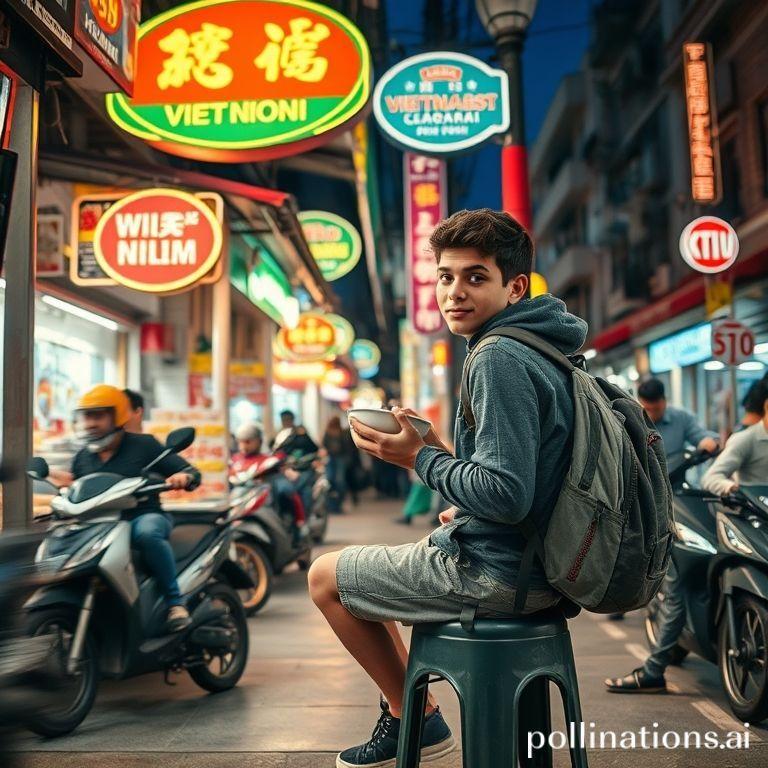
Think of Vietnam as a treasure chest that doesn’t need a golden key to open. This country, full of amazing nature, deep history, and exciting street food, might look like a trip for rich people. But here’s the secret: Vietnam is actually one of the easiest places in Southeast Asia to visit without spending a lot of money. With some smart planning, you can see its busy cities, peaceful countryside, and beautiful beaches while keeping your wallet happy. This guide is for clever travelers who want to see the best parts of Vietnam—from the foggy mountains of Sapa to the green waters of Ha Long Bay—all while sticking to a tight budget.
The main trick to traveling cheaply in Vietnam is to live like a local. Imagine swapping a fancy hotel for a friendly hostel, a expensive restaurant for a delicious food stall, and a private car for a bus or train. This doesn’t mean you’ll have a worse trip. In fact, it often leads to a more real and memorable adventure. You might find yourself sharing travel stories with new friends in a common room in Hanoi, learning how to cross a street full of motorbikes like someone who lives there, or tasting incredible new flavors while sitting on a small plastic stool by the road.
In this detailed guide from Journey Vietnam, we will guide you through every part of budget travel. We will show you our favorite hostels that are both affordable and fun, point you to the tastiest and cheapest food around the country, and share important travel tricks to get you from place to place for just a few dollars. For more ideas and visual guides, you can visit our YouTube channel, @JourneyVietnam, where we show these tips in action. Let’s begin planning your amazing and affordable trip to Vietnam.
Finding a Place to Stay: Hostels and Guesthouses
Where you sleep will be one of the biggest parts of your travel budget. Luckily, Vietnam has a huge number of hostels and guesthouses that are safe, comfortable, and great for meeting people, all for a very low price. In big cities like Hanoi, Ho Chi Minh City, and Da Nang, you can find a bed in a shared room for between $5 and $10 per night. A private room in a guesthouse might start at around $15 to $20, which is a great deal for couples or anyone wanting their own space.
When you pick a hostel, try to find ones that offer free breakfast and have good reviews about how clean and safe they are. Many hostels also have free events, like group walks or shared meals, which are perfect for making friends and learning local tips. In smaller towns like Hoi An or Ninh Binh, family-run guesthouses (called “nha nghi”) are the best choice. They give you a warmer, more personal experience and are usually very clean. Websites like Hostelworld and Booking.com are very helpful, but you can also sometimes get a better price by asking in person, especially if you are staying for a while or visiting during a quiet time of year.
Eating for Less: Vietnam’s Street Food Wonderland
Forget about expensive restaurants; the real heart of Vietnamese food is found on the street. Eating like a local is not only the most genuine way to experience the food, but it is also the cheapest. A big bowl of pho (noodle soup) can cost as little as 30,000 VND (about $1.20), and a tasty banh mi (Vietnamese sandwich) is often under 20,000 VND (about $0.80). Here is a simple rule: go where the locals go. If a small stall filled with people sitting on tiny stools is crowded, you have found a great spot.
Be adventurous and try different things. Start your morning with a ca phe sua da (Vietnamese iced coffee with sweet milk) and a sticky rice breakfast from a market. For lunch, look for a com binh dan (people’s meal) stall, where you can choose from a variety of pre-made dishes served with rice. Evenings are ideal for visiting busy food markets. Make sure to try famous dishes like bun cha (grilled pork with noodles) in Hanoi, cao lau (a special noodle dish from Hoi An), and banh xeo (crispy pancakes) in the south. By eating street food, you can easily have all your meals for under $10 a day.
Getting Around: Travel Tricks for Saving Money
Vietnam is a long country, but traveling through it can be very cheap if you know how. For long trips, overnight buses and trains are your best option. They let you travel while you sleep, which also saves you the cost of a night in a hostel. Companies like Futa Bus Lines and The Sinh Tourist have comfortable sleeper buses with seats that recline for trips between major cities. For a more scenic and unforgettable journey, think about taking the Reunification Express train, which runs along the coast from north to south.
Inside cities, ride-hailing apps are incredibly useful. Grab (which is like Uber in Southeast Asia) is everywhere and very inexpensive. A short ride on a motorbike taxi might cost 15,000 VND (about $0.60), and a car ride across a city center is usually only a few dollars. This is often cheaper and easier than dealing with regular taxis. For the ultimate budget and local experience, you can rent a motorbike. A good bike costs around $5 to $7 per day, giving you the freedom to explore on your own schedule. Just be sure you have an international driving permit and feel comfortable riding in busy traffic.
Fun That’s Free or Cheap: Enjoying Culture on a Budget
Some of the best things in Vietnam don’t cost anything. You can spend a day walking through the ancient streets of Hoi An’s Old Town (a ticket to see the historic buildings is very affordable), hike in the stunning rice fields in Sapa or Mu Cang Chai, or relax on the beautiful beaches of Phu Quoc or Nha Trang. In Hanoi, you can visit the Ho Chi Minh Mausoleum area and walk around Hoan Kiem Lake. In Ho Chi Minh City, the War Remnants Museum and the Notre-Dame Cathedral offer deep cultural lessons for a small entry fee.
Timing can help you save money, too. Many museums have free entry on certain days, so check their websites before you go. Simply walking through local markets, like Ben Thanh in Saigon or Dong Xuan in Hanoi, is a free and interesting activity. For a small tip, you can join a free walking tour, which is a great way to learn about a city from a local guide.
Thinking Like a Saver: Daily Budget and Talking About Prices
A realistic daily budget for a budget traveler in Vietnam can be as low as $25 to $35. This covers a bed in a shared room, three meals from street food, local transportation, and a couple of low-cost activities. The key is to balance your spending. It’s fine to treat yourself to a nicer meal or a tour sometimes, but make up for it with cheaper days.
Learning a few simple Vietnamese phrases is very helpful and shows respect to locals. Also, be ready to negotiate politely. Haggling is normal in markets and for services like motorbike taxis (when not using an app). A good approach is to smile, be friendly, and start by offering about half of the first price asked. Remember, the goal is a fair deal for everyone, not to argue. Take out larger amounts of cash from ATMs to avoid too many fees, and always have small bills ready for food and small purchases.
Packing Wisely: What to Bring to Avoid Extra Costs
Bringing the right things can save you money and trouble. A reusable water bottle is a must. You can buy big 5-liter bottles of water cheaply and refill your own bottle, which saves money and helps the environment. Pack a simple plug for a sink; washing a few clothes in your room is easy and free, saving you from paying for laundry service. A small first-aid kit with bandages, antiseptic, and medicine for an upset stomach can prevent a costly trip to a pharmacy for small problems.
Bring a portable charger to keep your phone powered up, especially for using maps and ride-hailing apps. Vietnam uses several types of electrical outlets, so a universal adapter is a good idea. Don’t pack too many clothes; light, quick-drying items are best for the weather, and you can always buy cheap clothes like t-shirts and pants locally if you need them. A small lock is useful for hostel lockers, and a light scarf or sarong can be used as a beach towel, a cover-up for temples, or a blanket on a cold bus ride.
Traveling through Vietnam on a budget is not about missing out on experiences; it’s about jumping right into the lively, busy, and beautiful real life of the country. By choosing hostels, loving street food, and using local transportation, you will have a deeper, more connected adventure. The memories you make—like sharing a meal with new friends, the excitement of finding your way in a new city, or the wonder of seeing an incredible landscape—are worth more than money. For more detailed guides, video tours, and hidden spots, visit our website at Journey Vietnam and subscribe to our YouTube channel. Your adventure is waiting for you!