
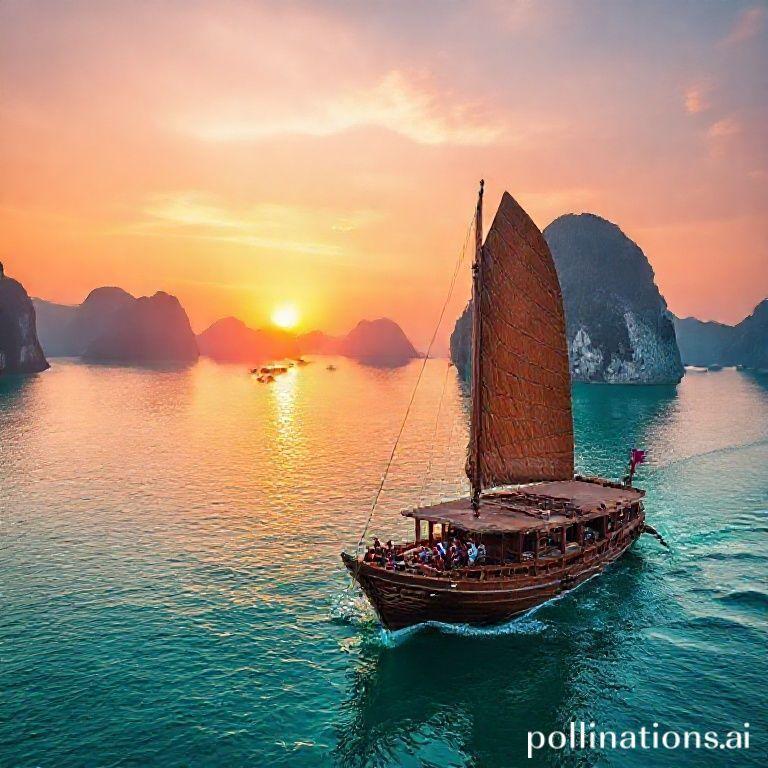
Picture yourself sailing across a bright green sea, where thousands of rocky islands stick straight up like the jagged backs of sleeping dinosaurs. This is Halong Bay. It is a very special place protected by the world, and one of Vietnam’s most famous views. A boat trip through these dream-like waters is not just a simple ride. It is like stepping into a painting full of amazing beauty, old stories, and peaceful adventure. For people visiting, picking the right boat trip can change a nice vacation into a memory you will never forget. There are short trips that last one day and long, fancy trips that last several days. Knowing how to pick is the first step to seeing the bay’s true wonder.
At Journey Vietnam, we think the best travel memories come from trips that make you feel close to a place. Halong Bay, with its tall rock towers, secret caves, and villages that float on the water, does exactly that. This guide is made to help you plan your perfect trip. We will help you choose the right boat and show you the hidden treasures to find. We will share expert advice, explain what happens on the boat, and point out the top places that make this spot a shining star of Southeast Asia. For more pictures and deeper travel stories, visit our YouTube channel, @JourneyVietnam, where we show the beauty of Vietnam.
Chapter 1: Understanding Your Boat Trip Choices
The first move for a perfect Halong Bay trip is knowing the different kinds of boat trips you can take. Mainly, they come in three types: day trips, overnight trips (1-2 nights), and longer luxury or exploration trips (3+ nights). Day trips are great if you are in a hurry. They give you a quick taste of the bay’s best parts, usually including a big cave like Sung Sot (Surprise Cave) and a ride in a kayak or a small bamboo boat. But, they often stay in the busier southern area of the bay.
Overnight trips are the most common choice. They let you see the bay change at sunset and sunrise, when most people leave and the feeling becomes magical. These trips go deeper into the bay, often to quieter places like Lan Ha Bay or Bai Tu Long Bay. These spots look similar but have fewer boats. As one experienced traveler on our channel said,
“Waking up to the quiet, foggy rocks from your own private balcony is something you just cannot get on a day trip.”
For the best escape, think about a longer luxury trip. These trips, run by top companies, focus on health, great food, and going to remote places. They might include activities like morning tai chi, cooking lessons with the chef, or guided trips to perfect beaches. Your choice should match your budget, time, and how deep you want to go into the experience. Remember, the farther you travel from the main dock, the more peaceful and natural the view becomes.
Chapter 2: Picking the Best Trip for You
With so many boats on the water, choosing can feel like too much. Pay attention to these main things: the schedule, the kind and size of the boat, and what other people say. First, look closely at the schedule. Does it include must-see places like Sung Sot Cave, Titop Island for walking and swimming, and a visit to a floating village? Does it promise time in calmer areas like Lan Ha Bay? A good schedule mixes famous sights with quiet times.
Next, think about the boat itself. Old-style wooden boats give a classic, romantic feeling. Newer metal boats are more steady and have modern comforts. Boat size is very important. Smaller boats (with fewer than 20 rooms) can go into tighter spaces and offer a cozier experience. Bigger ships have more things like spas and pools. Always check the room details: a private balcony is a great extra for your own personal view.
Finally, doing your homework is key. Read recent reviews from travelers on good websites. Watch video reviews, like the ones we make at Journey Vietnam, to get a real sense of the feeling on the boat, the food, and how the crew helps. Look for notes on safety rules and how they care for the environment. A good boat company will be clear about how they work to protect the bay’s delicate nature. A good rule is this: if a price looks too good to be true, it usually is. Choose quality and safety over the cheapest price.
Chapter 3: A Typical Day on the Boat
So, what really happens once you start sailing? A normal day on an overnight trip is a nice mix of relaxing, doing activities, and eating well. After you get on the boat and hear the safety rules, you will get a welcome drink and lunch as the boat moves into the maze of rocks. The first afternoon usually has an activity like kayaking in a hidden pool or visiting a cave. This is your chance to get close to the limestone towers and feel how big the bay is.
Evening brings a special kind of magic. As the sun goes down behind the islands, the sky fills with color—a great time for photos. Many trips have a sunset party on the top deck with free drinks. Dinner is often a big meal with many courses of fresh seafood and Vietnamese food. Some boats have activities like fishing for squid or watching a movie under the stars. The quiet of the night, when the boat is stopped in a safe spot, is very peaceful. Mornings often begin with tai chi or yoga on the deck at sunrise, then a light breakfast before one last trip, like seeing a pearl farm or a floating village, before going back to the dock.
“The speed of life gets slower on the bay. It is not about rushing to see things; it is about letting the amazing view become part of you. The times between activities—drinking coffee on your balcony, watching the light change on the rocks—are often what you remember most.” – A thought shared by someone from Journey Vietnam.
Chapter 4: Top Places and Must-Do Activities
While the whole bay is amazing, some places are extra special. Sung Sot Cave (Surprise Cave) is the bay’s biggest and most famous cave. It is like a giant church room filled with incredible rock shapes lit up by colorful lights. Titop Island has a tough but rewarding walk up to a view over everything and a small, sandy beach for a cool swim.
To learn about local life, visit Cua Van or Vung Vieng floating village. This shows you how fishing families live, as they have lived on the water for many years. Many trips now use rowboat or kayak tours led by people from the village. This is a better way to see this life without harming it. If you like adventure, do not miss kayaking or a ride in a ‘sampan’ (bamboo boat) through Dark and Bright Cave in Lan Ha Bay. This is a water tunnel that leads to a hidden, round pool surrounded by tall cliffs—it feels like another world.
For people on longer or more private trips, looking for less-visited areas is important. Bai Tu Long Bay to the northeast and the far parts of Lan Ha Bay have just as beautiful rock scenery with many fewer tourists. This allows for calm swimming and exploring.
Chapter 5: Helpful Advice for an Easy Trip
Getting ready means you can just enjoy the beauty around you. Here are important tips:
Best Time to Go: The best seasons are spring (March-April) and fall (September-November) for nice weather and clear skies. Summer (May-August) can be very hot, sticky, and have quick rainstorms or big storms. Winter (December-February) is cooler and often foggy. This can create a mysterious feeling but might make it hard to see far.
What to Bring: Important items are a swimsuit, hat, sunscreen, bug spray, comfortable shoes for caves and walking, a light jacket for cool evenings, and your camera. Most boats have casual clothes rules.
Booking Tips: Book your trip early, especially for busy times and holidays. Think about travel insurance that covers trip cancellations if the weather is bad. Always check what is part of your price (meals, activities, rides from Hanoi) and what costs more (drinks, spa visits, some trips).
Health & Safety: The boats are usually steady, but if you get sick on boats, bring medicine. Listen to all the safety talks. The sun on the water is very strong, so drink water and protect your skin.
Chapter 6: Traveling in a Way That Helps Halong Bay
As a special world site, Halong Bay feels pressure from tourism. As careful travelers, what we choose to do is important. Pick boat companies that show they care about protecting the environment. Look for those that:
- Use earth-friendly methods like treating waste on the boat and using less throw-away plastic.
- Help local people by hiring local workers and buying food from nearby.
- Teach people on the trip about the bay’s nature and how to have less effect on it.
During your trip, think about what you do. Do not throw trash. Never touch or take coral or animals. Use sunscreen that is safe for reefs if you swim. Choose kayaking or rowing over motorboats when you can for closer looks. By traveling with care, you help make sure the amazing beauty of Halong Bay stays for people in the future. At Journey Vietnam, we love sharing stories that encourage smart and respectful travel in our beautiful country.
A boat trip in Halong Bay is more than just something to do. It is a journey into a picture that is alive. It is a chance to step away from busy life and be amazed by what nature has made. From choosing the right boat for how you like to travel, to paddling in hidden pools and seeing a famous sunset, every minute helps create a powerful travel memory. The secret is to plan well, travel responsibly, and let yourself be completely in this unbelievable place.
We hope this guide helps you map out your amazing adventure. For videos that show the calm greatness of the bay—the morning fog lifting off the water, the gold light of sunset on the rocks, the busy life of floating markets—explore our visual stories on the Journey Vietnam YouTube channel. Let us help you discover not just Halong Bay, but all the amazing things in Vietnam. Start planning your trip today, and get ready to be amazed.