
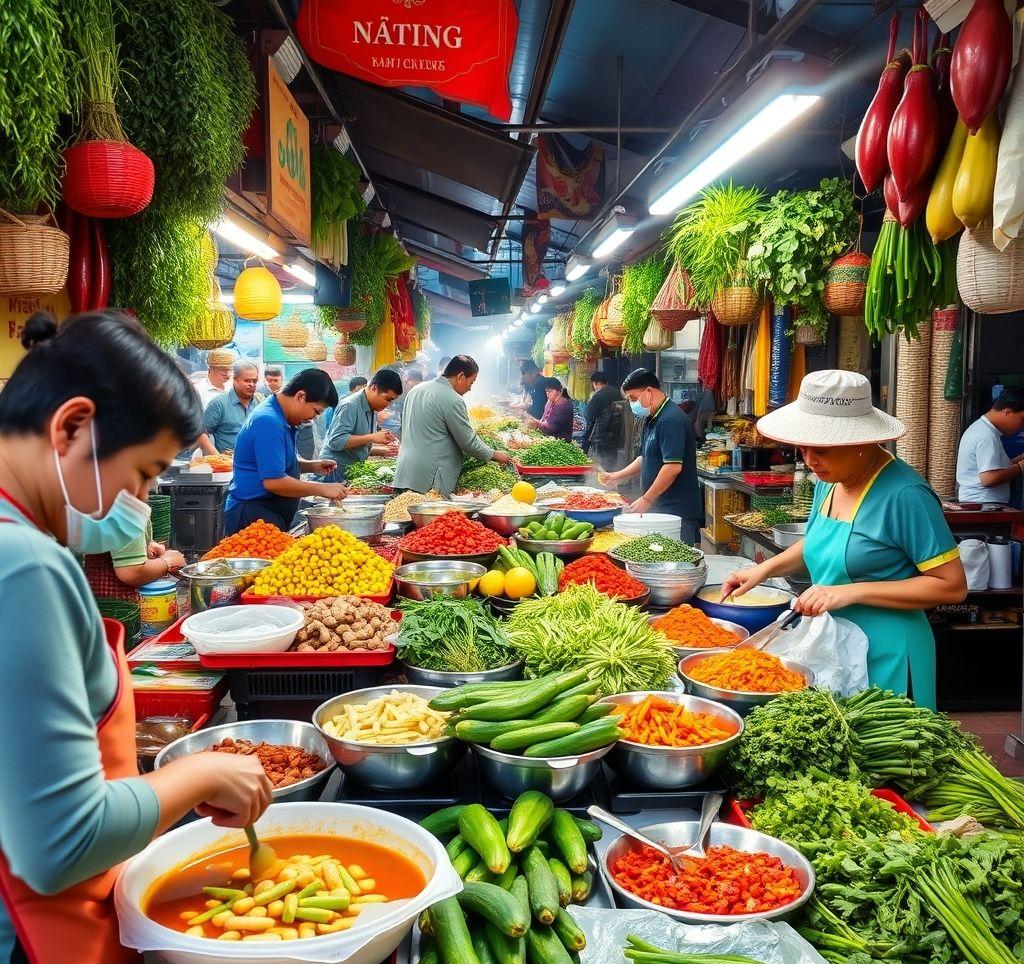
Hue, the ancient imperial capital of Vietnam, is a city rich in history and culture, and it’s also a paradise for those who love food. The city’s cuisine reflects its royal past, offering a mix of flavors that are both elegant and deeply traditional. This guide will take you on a tasty journey through Hue, introducing you to its most famous dishes and the stories behind them.
Bun Bo Hue: The Soul of Hue’s Food Scene
Bun Bo Hue, a spicy beef noodle soup, is perhaps the most iconic dish from Hue. Unlike the more common Pho, Bun Bo Hue stands out with its strong and spicy broth, made by simmering beef bones, lemongrass, and chili. It’s usually served with thick rice noodles, beef slices, and sometimes pork knuckles or crab balls. Diners can add fresh herbs, lime, and chili sauce to adjust the flavor to their taste.
“Bun Bo Hue is more than just a meal; it’s a cultural journey that captures the essence of Hue.”
This dish is a must for anyone visiting Hue, especially when tried at local spots where recipes have been handed down through generations.
Banh Khoai: Hue’s Crispy Pancake
Banh Khoai, known as Hue’s crispy pancake, is another culinary treasure. Made from rice flour, turmeric, and water, the batter is cooked in a hot skillet and filled with ingredients like shrimp, pork, and bean sprouts. It’s folded and served with fresh herbs and a tangy dipping sauce made from fermented soybeans, peanuts, and chili.
This popular street food is perfect as a snack or a light meal, loved by both locals and tourists for its crispy outside and savory inside.
Imperial Cuisine: Dining Like Royalty
Hue’s imperial cuisine reflects the city’s royal history. During the Nguyen Dynasty, emperors enjoyed the most elaborate and finely prepared dishes, leading to a unique culinary style. Imperial dishes are known for their detailed preparation, beautiful presentation, and high-quality ingredients.
Famous dishes include Com Hen, a rice dish with baby clams, herbs, and various condiments, and Nem Lui, grilled pork skewers served with rice paper, fresh vegetables, and a flavorful dipping sauce. These dishes offer a taste of the luxurious life of the Nguyen emperors and are a must for history enthusiasts.
Discovering Hue’s Food Markets
To truly experience Hue’s flavors, visiting the local food markets is essential. Dong Ba Market, the largest in Hue, is a lively place where you can find fresh produce and street food stalls. Here, you can try specialties like Banh Beo (steamed rice cakes), Banh Nam (flat rice dumplings), and Che Hue (a sweet dessert soup).
The market is also a great place to meet locals and learn about the ingredients and cooking methods used in Hue’s cuisine. Be adventurous and try something new—Hue’s food markets are full of delightful surprises!
The Importance of Herbs and Spices in Hue’s Cooking
Herbs and spices are key in Hue’s culinary tradition, adding depth and complexity to its dishes. Common ingredients include lemongrass, chili, turmeric, and shrimp paste, which create the bold flavors Hue is known for. Fresh herbs like mint, cilantro, and perilla are often served with dishes, allowing diners to enhance the flavors.
In Hue’s cuisine, the balance of spicy, sour, sweet, and salty flavors is carefully crafted to create a harmonious meal.
Hue’s Food Festivals
Hue hosts several culinary festivals that celebrate its rich food heritage. The Hue Festival, held every two years, includes food fairs where visitors can try traditional dishes and watch cooking demonstrations. The Hue Food Festival is another event that highlights the best of Hue’s cuisine, attracting food lovers from around the globe.
These festivals are a fantastic way to dive into Hue’s culinary culture and learn more about the history and traditions of its most popular dishes.
Conclusion
Hue’s cuisine mirrors its rich history and cultural heritage. From the spicy Bun Bo Hue to the delicate imperial dishes, the city offers a unique culinary experience. Whether you’re wandering through the vibrant food markets or attending a culinary festival, Hue’s flavors are sure to make a lasting impression.
If you’re a food enthusiast eager to explore Vietnam’s culinary delights, Hue should be your first stop. For more travel and food inspiration, visit Journey Vietnam on YouTube and our website at