Stepping into Vietnam is like opening a beautifully illustrated book of traditions, where every gesture and greeting tells a story of respect and heritage. For travelers, understanding the cultural etiquette isn’t just about avoiding mistakes—it’s about connecting deeply with the soul of this vibrant nation. From the busy streets of Hanoi to the peaceful temples of Hue, knowing how to navigate social interactions can turn your journey from a simple vacation into a meaningful cultural exchange.
Vietnamese culture places great value on harmony, respect for elders, and maintaining face—a concept that emphasizes dignity and social standing. As you prepare to explore this fascinating country, embracing these cultural details will not only earn you warm smiles but also open doors to real experiences that most tourists miss. Whether you’re sharing a meal with a local family, visiting sacred sites, or simply greeting someone on the street, your awareness of Vietnamese customs will enrich every moment of your adventure.
In this complete guide, we’ll walk you through the essential dos and don’ts of Vietnamese etiquette, covering everything from proper greetings and temple behavior to dining customs and gift-giving traditions. By the end, you’ll feel confident navigating social situations and creating real connections with the people you meet along the way.
The Art of Vietnamese Greetings
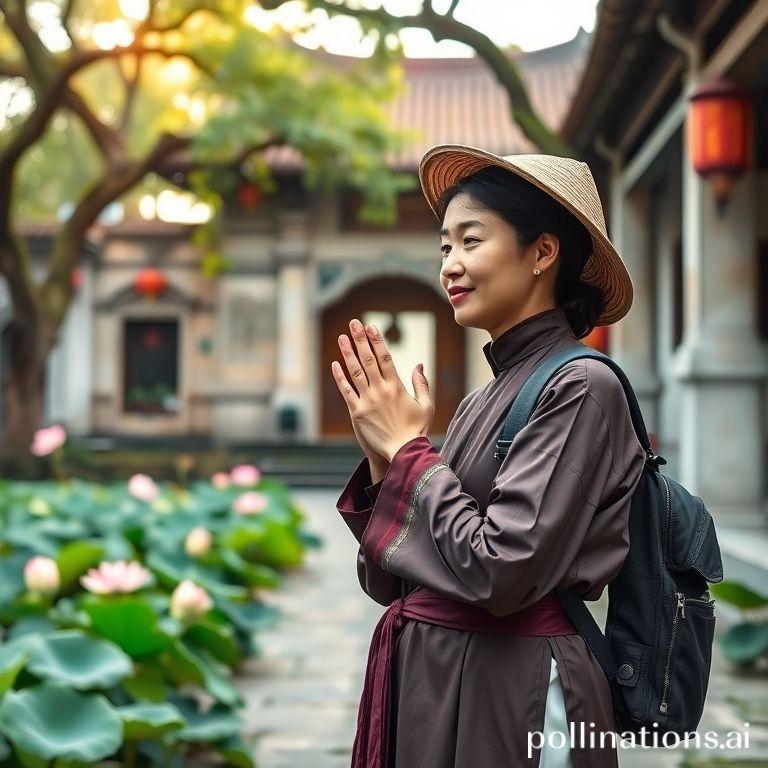
Greetings in Vietnam are more than just words—they’re a reflection of social levels and respect. The traditional Vietnamese greeting involves a slight bow with hands pressed together at chest level, similar to the Thai wai. This gesture, known as chào, shows respect and is particularly important when greeting elders or in formal settings. The depth of the bow and the height of the hands show the level of respect being given, with higher hand positions saved for monks, elders, and those of higher social status.
When addressing someone, proper titles are very important. Vietnamese people typically address each other by their given names rather than last names, but always with an appropriate title before the name. For men, use Anh (for someone slightly older) or Em (for someone younger). For women, use Chị (older) or Em (younger). When unsure, Anh and Chị are safe choices that show respect. As noted by cultural expert Dr. Nguyen Thi Minh:
“The Vietnamese language is built around relationships. Using the correct pronoun isn’t just grammar—it’s acknowledging someone’s place in the social fabric.”
Handshakes are becoming more common in business settings, but wait for your Vietnamese partner to start them. Many Vietnamese, particularly older generations and women, may prefer not to shake hands. Hugging and back-slapping are generally not appropriate, especially between members of the opposite sex. When meeting someone for the first time, a warm smile and slight nod often work better than physical contact.
Temple and Pagoda Protocol
Vietnam’s temples and pagodas are sacred spaces where proper behavior shows respect for both religious traditions and local customs. Before entering any religious site, remove your shoes and hats. Dress modestly with shoulders and knees covered—many temples provide cloth wraps for visitors who need them. Keep your voice low and avoid disruptive behavior that might disturb others who are praying or meditating.
When approaching altars, do so with respect. It’s customary to make a small offering, but never touch religious objects or statues without permission. Photography is usually allowed, but always ask first and never use flash inside dimly lit temples. Be particularly careful during prayer times, and try to walk around rather than in front of people who are praying. As one temple guardian in Hoi An shared:
“Foreign visitors who show respect for our traditions often receive blessings and insights that others miss. The temple responds to sincere hearts.”
When encountering monks, show respect by lowering your head slightly. If you wish to make a donation, place money in the designated boxes rather than handing it directly to monks. Women should avoid physical contact with monks altogether. Remember that walking clockwise around sacred objects is the traditional practice in Buddhist temples.
Dining Etiquette and Table Manners
Vietnamese dining culture is rich with traditions that enhance the shared experience of eating together. When invited to a Vietnamese home, it’s polite to bring a small gift such as fruit, sweets, or flowers. Avoid giving handkerchiefs, black items, or anything sharp, as these can carry negative meanings. Wait to be shown where to sit, as seating arrangements often reflect hierarchy, with the most honored guests seated farthest from the door.
At the table, several customs will help you navigate meals smoothly. Always use both hands when passing items or receiving food. The oldest person typically begins eating first, so wait for them to start before you do. Chopsticks should be placed on the table or chopstick rest when not in use—never stick them upright in a bowl of rice, as this looks like incense sticks at funerals. When serving yourself from shared dishes, use the serving utensils provided rather than your personal chopsticks.
Vietnamese meals are often family-style, with everyone sharing from common plates. Try a bit of everything to show appreciation for the cook’s efforts. It’s considered polite to leave a small amount of food on your plate to show that you’re full and were served generously. When drinking with others, particularly in social settings, it’s customary to say một, hai, ba, vô! (one, two, three, cheers!) before taking a drink. The proper way to cheers is to make eye contact and gently clink glasses, with younger people lowering their glasses slightly when toasting with elders.
Communication and Body Language
Non-verbal communication carries significant meaning in Vietnamese culture. Maintaining indirect eye contact shows respect, while prolonged direct eye contact can be seen as challenging or disrespectful, especially with elders or those in authority. The head is considered the most sacred part of the body, so never touch anyone’s head, even children. Similarly, the feet are seen as the lowest and dirtiest part, so avoid pointing your feet at people or religious objects.
When handing items to someone, particularly money or gifts, use both hands as a sign of respect. Calling someone with a finger pointed upward is considered rude—instead, wave all four fingers with the palm facing down. Public displays of affection are generally not approved, though holding hands between same-sex friends is common and doesn’t carry romantic meanings.
Vietnamese communication style tends to be indirect and harmonious. People may avoid saying “no” directly to prevent causing offense or loss of face. Pay attention to non-verbal cues and read between the lines. As business consultant Tran Van Hung explains:
“In Vietnam, what isn’t said is often more important than what is said. Learning to understand indirect communication is key to building trust.”
Smiling can cover various emotions from happiness to embarrassment, so don’t always interpret smiles at face value.
Gift-Giving Customs
Gift-giving in Vietnam follows specific rules that reflect the culture’s emphasis on thoughtfulness and relationship-building. When presenting a gift, use both hands and express modest words about the gift being “small” or “insignificant.” Gifts are usually not opened in front of the giver unless encouraged to do so. The wrapping is as important as the gift itself—use bright colors like red and yellow, which symbolize luck and prosperity, while avoiding black, white, or dark blue wrappings associated with funerals.
Appropriate gifts include fruit baskets, tea, coffee, sweets, or items from your home country. Alcohol, particularly imported whiskey or wine, makes a good gift for business contacts. Avoid giving sharp objects like knives or scissors, which symbolize cutting ties, or clocks and handkerchiefs, which are associated with funerals. Money gifts should be given in new bills placed in red envelopes for special occasions like weddings or Lunar New Year.
During Tet (Lunar New Year), the most important holiday in Vietnam, gift-giving takes on special meaning. Common gifts include lucky money in red envelopes for children, traditional bánh chưng (sticky rice cakes), flowering plants like peach blossoms or kumquat trees, and special foods. When visiting homes during Tet, bring a gift and offer traditional New Year’s greetings like Chúc mừng năm mới (Happy New Year) followed by wishes for health, prosperity, and happiness.
Dress Code and Appearance
Vietnamese society generally values neat, modest appearance in both casual and formal settings. While urban youth fashion has become more Westernized, conservative dress is still appreciated, especially when visiting religious sites, government offices, or rural areas. For women, clothing that covers shoulders and knees is appropriate in most situations. Men should avoid going shirtless in public, even at beaches.
In business settings, formal clothing is expected. Men typically wear dark suits with ties, while women wear conservative dresses or suits. Pay attention to grooming—neat hair and clean, polished shoes make a positive impression. As fashion expert Le Thi Lan notes:
“The Vietnamese áo dài represents our cultural values of elegance and modesty. While Western clothes are common, the principles behind traditional dress still influence how we present ourselves.”
When packing for Vietnam, consider the climate while maintaining respect for local norms. Lightweight, breathable fabrics that cover skin will keep you comfortable while showing cultural sensitivity. Bring a scarf or light jacket to cover up when visiting temples or more conservative areas. In northern Vietnam during winter, warmer clothing is necessary, while southern Vietnam remains tropical year-round.
Social Hierarchy and Respect for Elders
Understanding Vietnam’s Confucian-inspired social hierarchy is basic to navigating relationships respectfully. Age, position, and education determine social standing, with elders receiving the highest respect. Always greet the oldest person first when entering a room or meeting a group. Defer to elders in conversation, allowing them to speak first and not contradicting them directly.
In family settings, the oldest male typically sits at the head of the table and is served first. Children are taught from young age to respect their elders through specific language and behaviors. When passing in front of someone older, slightly bow your head and may say xin phép (excuse me). Never call an older person by their first name without a title—always use ông (grandfather) for elderly men or bà (grandmother) for elderly women unless told otherwise.
This respect extends to professional settings, where seniority often outweighs expertise. In meetings, the highest-ranking person usually speaks first and makes final decisions. Challenging superiors publicly causes loss of face and should be avoided. As sociologist Pham Quang Minh observes:
“The Vietnamese concept of face isn’t about ego—it’s about maintaining social harmony. Protecting someone’s dignity preserves relationships and community cohesion.”
Navigating Public Spaces
Public behavior in Vietnam reflects the group nature of the society. Personal space is more limited than in Western cultures, and people may stand closer in lines or crowded areas. Pushing through crowds is common and not considered rude, though as a visitor, you’ll be appreciated for being patient. On public transportation, it’s customary to offer seats to elders, pregnant women, and people with disabilities.
When visiting markets or shopping areas, bargaining is expected but should be done with good humor. Start at about 50-60% of the asking price and negotiate pleasantly. Once a price is agreed upon, it’s rude to walk away. Tipping is not traditionally part of Vietnamese culture but has become more common in tourist areas. In restaurants, a 5-10% tip is appreciated for good service, while hotel staff may expect small tips for carrying luggage.
Noise levels in public may be higher than what you’re used to, particularly with motorbike horns used frequently as communication rather than aggression. Try to adapt to the local rhythm rather than showing frustration. As you move through Vietnam’s vibrant public spaces, remember that patience and a smile will carry you further than impatience or anger.
Learning Vietnamese cultural etiquette transforms your travel experience from that of an observer to an engaged participant in the rich tapestry of local life. Each respectful gesture, each properly spoken greeting, each moment of cultural awareness builds bridges of understanding that enrich both your journey and your connections with the Vietnamese people. The customs we’ve explored—from temple behavior to dining etiquette—are not just rules to follow but invitations to engage more deeply with a culture that values harmony, respect, and community above all else.
As you prepare for your Vietnamese adventure, remember that cultural mistakes are often forgiven when made with good intentions. The Vietnamese people are famously hospitable and will appreciate your efforts to honor their traditions. Your willingness to learn and adapt demonstrates the highest form of respect. We invite you to continue your cultural exploration with Journey Vietnam, where our YouTube channel and website offer deeper insights into the heart of this beautiful country. From street food guides to hidden cultural gems, we’re here to help you discover the Vietnam that exists beyond the guidebooks—a land of incredible beauty, deep traditions, and warm, welcoming people.