Welcome to Hue, Vietnam’s ancient royal city, where every meal is like turning the pages of a history book filled with kings, queens, and amazing food stories. Located by the gentle Perfume River, Hue’s cooking is like a colorful quilt made from royal traditions and the special tastes of central Vietnam. This food adventure will guide you through the famous spicy beef noodle soup called bun bo Hue, the crispy pancake known as banh khoai, and other royal treats that make Hue a dream destination for food lovers.
The Royal Story Behind Hue’s Food
Hue’s food history goes back to the time of the Nguyen Dynasty, when the royal palace wanted every dish to be perfect. The palace chefs created fancy cooking methods and rich flavors that have since spread to street food carts and home kitchens. As one food expert, Dr. Nguyen Thi Minh, says:
Hue cuisine is the peak of Vietnamese cooking art, where every item, spice, and way of cooking works together to create a perfect balance of tastes.
The city’s special location, between mountains and the ocean, gives it a wide variety of fresh ingredients that build its unique flavors.
Bun Bo Hue: The Soul of Central Vietnam
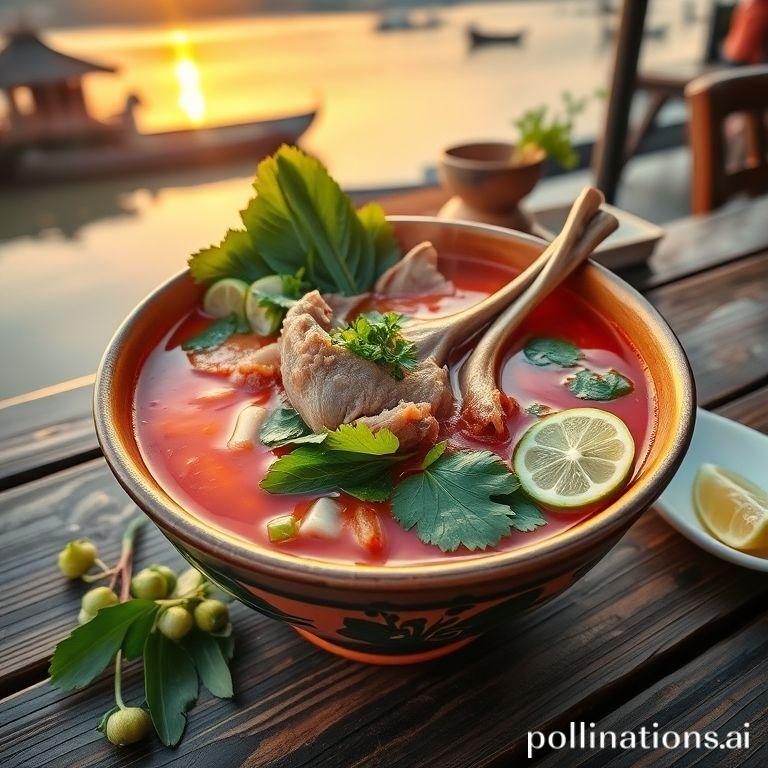
You can’t talk about Hue food without mentioning bun bo Hue, the beloved spicy beef noodle soup that has won over people everywhere. Think of it as the stronger, bolder cousin of pho. Its deep broth cooks for hours with lemongrass, shrimp paste, and annatto seeds, giving it a red color and rich, savory flavor. The soup usually has both beef and pork, creating a mix of textures in each bite. A local chef, Tran Van Hung, shares:
The key to real bun bo Hue is mixing spicy, salty, sweet, and sour flavors just right. We pick herbs from our own gardens and make our own chili oil so every bowl shares the true story of Hue.
Served with banana blossoms, lime, and fresh herbs, this dish is like a warm hug from central Vietnam.
Banh Khoai: Hue’s Crispy Golden Surprise
Often called Hue’s version of a Vietnamese pancake, banh khoai stands out because it’s super crispy and packed with tasty fillings. The name “khoai” means “fun,” and this golden treat really does bring joy. Made from rice flour and turmeric, the batter is fried until crunchy, then filled with shrimp, pork, bean sprouts, and sometimes duck. But the real star is the dipping sauce—a thick mix of soybean paste, ground pork, liver, and peanuts that creates a flavor explosion. A street food seller, Le Thi Lan, explains:
Our family has made banh khoai the same way for three generations. The crisp has to be perfect, and the sauce must balance savory and sweet flavors.
Royal Feasts: Eating Like a King or Queen
The royal palace’s influence isn’t just in single dishes—it’s in whole meals. Royal banquets in Hue were big events with many carefully made dishes, each with a special meaning and beautiful look. These meals followed strict rules and showed the best of Vietnamese cooking. Today, restaurants in Hue keep this tradition alive by offering royal menus with delicate items like royal spring rolls, phoenix-shaped pork paste, and baby clam rice. A food expert, Dr. Pham Quang Minh, notes:
Royal food wasn’t just about feeding the royals; it was about making food art that showed Vietnamese beliefs and culture. Every color, shape, and flavor had a purpose.
Vegetarian Food: Hue’s Peaceful Side
Hue is also famous as Vietnam’s center for Buddhist vegetarian food, with traditions going back hundreds of years. The city’s many temples have mastered making meat-free dishes that are both pure for the spirit and delicious. What makes Hue vegetarian food amazing is how creative it is—using tofu, mushrooms, and plants to copy meat textures and flavors. From “mock duck” made from wheat gluten to a vegetarian version of bun bo Hue, these dishes show incredible kitchen creativity. A master chef, Thich Nu Dieu An, from Tu Hieu Pagoda, says:
Our vegetarian cooking is about being mindful and kind. We make dishes that feed both the body and soul while keeping the flavors of our culture.
Street Food: Tastes for Everyone
Beyond royal dishes, Hue’s street food gives you a real look at daily life in the old capital. Each night, the city lights up with food stalls on every corner, each one focusing on certain treats. From sweet soups in many types to steamed rice cakes and tapioca dumplings, the variety is huge. The Dong Ba Market is the heart of this food world, where sellers have kept family recipes for generations. A local food expert, Nguyen Hoang, states:
Hue street food is like royal food for the people. Dishes once only for the palace have been changed for everyone to enjoy, but they still keep their true spirit.
Seasonal Foods: Following Nature’s Clock
Hue’s cooking moves with the seasons, using fresh ingredients that change through the year. Spring brings new herbs and young veggies, summer gives lots of tropical fruits, autumn features river foods, and winter welcomes warmer, heartier meals. This link to the seasons means every trip to Hue offers new food finds. Because the city is close to the mountains and sea, ingredients are always fresh and local. A restaurant owner, Phan Thi Hoa, says:
Our guests love that our menu changes with the seasons. It keeps our cooking real and lets us show off the best of nature all year long.
Cooking Skills: The Art of Balance
The magic of Hue food isn’t just in the ingredients—it’s in the smart cooking methods passed down over time. From controlling heat perfectly in clay pots to fermenting fish sauce and making pretty decorations, every skill aims for flavor harmony. The idea of balance (called “am-duong”) is key in Hue cooking, making sure no single flavor overpowers the others. A cooking teacher, Vo Tan Phat, stresses:
In Hue, we don’t just cook; we mix flavors like musicians mix notes. Every ingredient has a role in the song of tastes.
As we finish our food tour of Hue, it’s clear that this old capital offers more than just meals—it’s a living bridge to Vietnam’s royal history and cultural heart. The flavors of Hue tell tales of emperors and everyday people, of spiritual practices and daily routines, all woven into an amazing food tapestry. Whether you’re enjoying a bowl of bun bo Hue at a street stall or trying a royal feast, you’re taking part in a centuries-old tradition of great cooking. We invite you to keep exploring Vietnam’s rich food history with Journey Vietnam, where we share these incredible stories on our website at https://journeyvietnam.top and YouTube channel at https://www.youtube.com/@JourneyVietnam. Come along as we find more hidden food treasures and share the real tastes of Vietnam with food fans around the world.